Why Do Male Honeybees That Mate with the Queen Bee Die Quickly?
As one of the small insects in nature, the honeybee is already familiar to many of our friends. The world of honeybees is always full of magic, leaving us with many unsolved mysteries since ancient times.
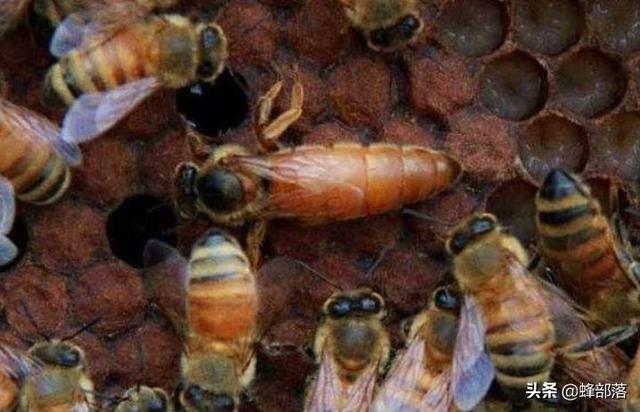
I believe many friends have heard that when bees mate, the male bee that mates with the queen bee will soon die. Generally, as long as the male bee successfully mates with the queen bee, this male bee will not live for 2 hours. This is something that many friends know, but the real question is why the male bee dies within 2 hours after mating with the queen bee? Perhaps many friends don't know the details. SoWhat exactly causes the male bee to die within 2 hours after mating with the queen bee? In fact, the queen bee has a trick here, which seems cruel but plays a crucial role in the development of the bee colony. This is also the reason why honeybees can continue to exist for 1.3 million years, with only minor genetic changes. The specifics can be seen from the following aspects
1. The Queen Bee's Unique Mating Method
2. The Queen Bee's Mating Process
3. Why Male Bees That Successfully Mate with the Queen Bee Die Quickly
4. The Significance of the Queen Bee Letting the Male Bees Die
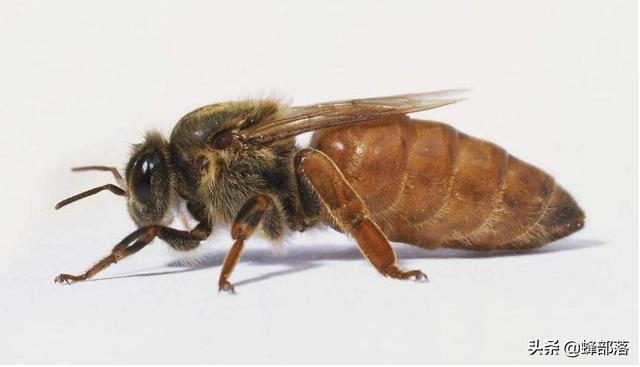
The Queen Bee's Unique Mating Method
The Queen Bee's Mating Process, which is called 'Queen Bee mating' in bee farming. When we talk about 'Queen Bee mating', we usually describe it as special, what is special about it? The special thing is that the queen bee's mating is not like other animals, such as the common mating of pigs, dogs, cattle, sheep, etc. Generally, as long as the male and female animals are together or in the wild, as long as the female animal is in its estrous period, it can be mated. However, the queen bee is special. The queen bee's mating cannot be completed on the ground, such as the mating of pigs, dogs, cattle, sheep, etc. The queen bee's mating mainly relies on the queen bee's sexual hormones to control, although there are male bees and queen bees in a bee colony, but on the ground, the queen bee will not release sexual hormones. The queen bee's entire mating process is carried out in the air
This is the specialness of honeybee mating.The Queen Bee's Mating Process
For the queen bee's mating process, we can roughly divide it into two processes: the 'honeymoon flight' process and the 'mating process'. The queen bee's aerial mating process, to some extent, avoids close breeding of the bee colony, and also selects excellent male bees. Let's take a look at the details
① 'Honeymoon Flight' Process: The time it takes for the queen bee to develop from an embryo to emerge from the house is 16 days. After the queen bee emerges from the house, it does not have much prestige in the bee colony. It can be said that the queen bee has the least prestige at this time. Few bees support the queen bee, only a few worker bees feed the queen bee, and even there are no worker bees feeding the queen bee. At this time, the queen bee mainly relies on herself to find honey for food, and after completing the demolition of the royal palace, the queen bee's weight gradually decreased, and the queen bee could fly, and the bee tribe believed that the main reason for the inconsistency in the queen bee's honeymoon flight time was the queen bee's sexual maturity. Only when the queen bee is fully mature, she will secrete a large amount of sexual hormones to attract the male bee's pursuit. Therefore, the queen bee's honeymoon flight time is inconsistent. However, in bee farming, it is found that the shorter the honeymoon flight time of the queen bee, the better the quality. The queen bee's mating time is most between 5 to 9 days after emergence
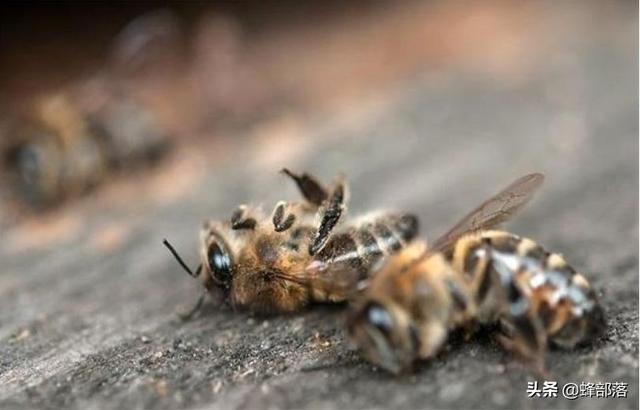
② 'Mating Process' : Once the queen bee is fully sexually mature, we can see the queen bee's abdomen contracting and relaxing, which means the queen bee has already mated. When the queen bee mates, the queen bee flies out of the hive entrance and releases sexual hormones in the air. The sexual hormones attract nearby male bees. Generally, male bees don't work in the bee colony, they just eat and wait for the queen bee to appear in the air to chase and mate with the queen bee. Because the queen bee is bigger and better nourished than the male bee, the queen bee's flight speed is faster, and only particularly good male bees can catch up with the queen bee to mate. This process relies on sexual hormones to attract male bees, so the male bee that mates with the queen bee may not be the male bee in the queen bee's bee colony, but rather the male bee on the route the queen bee flies. This has, to some extent, avoided the influence of the male bees' inferiority and close breeding. The mating process is that the queen bee flies in front, and the male bees chase behind, forming a comet-like appearance. The male bee that catches up with the queen bee in front will mate with the queen bee, and then the male bee's genitalia are broken off at the queen bee's tail, to prevent sperm from leaking, and another male bee will mate with the queen bee again, repeating this process
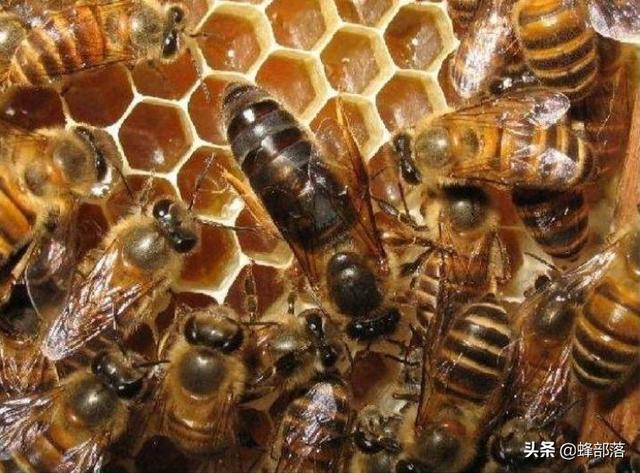
Generally, the queen bee's mating flight distance is related to the number of male bees and the geographic location. In mountainous areas, the queen bee's flight distance is close, and in plains, it is far. The more male bees there are, the closer the flight distance is, and if there are not enough male bees, the queen bee may mate several or several times in one day or several days. The queen bee will not mate again until she starts to lay eggs, until she dies. As long as the male bees are sufficient, the queen bee often mates with the queen bee once and mates with several or several dozen male bees before completing the mating
Why male bees that successfully mate with the queen bee die quickly?
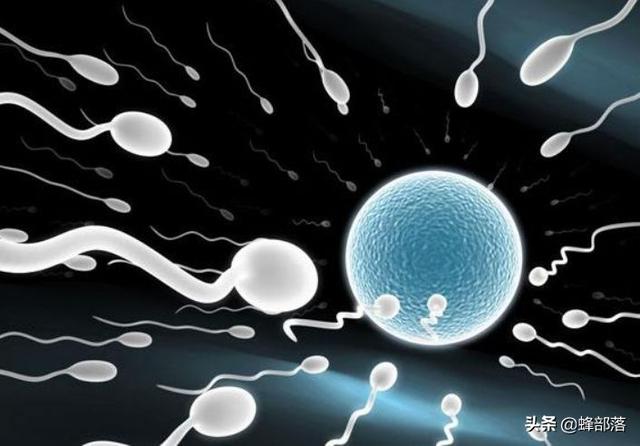
In fact, there are few mating deaths in common animal mating, which is the specialness of honeybee mating. We all know that when animals mate, they only mate when they are sexually mature, and when they mate, animals produce eggs. However, honeybees are different. The queen bee does not produce eggs when she is sexually mature, strictly speaking, the queen bee's sexual maturity only means that the queen bee has the ability to store a large amount of sperm. The honeybee is an egg-laying insect. When mating, the queen bee uses multiple male bees to mate with her to store sperm. Once the male bee successfully mates with the queen bee, the queen bee will make a movement to clamp the male bee's genitalia, using flight to break off the male bee's genitalia, to prevent sperm leakage. This process makes the male bee's internal organs appear 'white lines' in the honeybee farming, which is used bykids to identify the queen bee's mating success. This is a typical way to confirm the queen bee's mating success
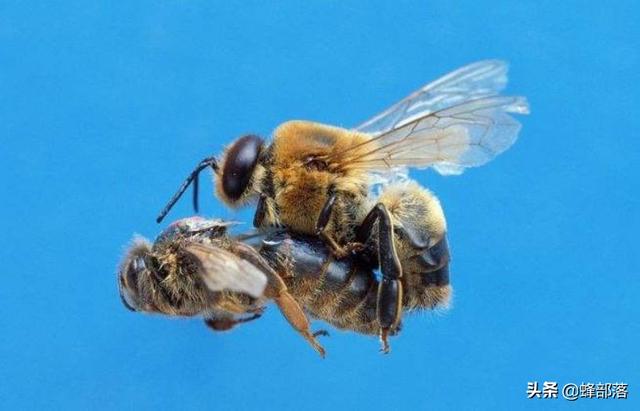
The Queen Bee's Mating Method
The Queen Bee's Mating Process
① 'Interruption of Bee Colony Reproduction' : We all know that after the queen bee mates, due to the storage of a large amount of sperm, the queen bee will not mate again, and during this time the queen bee can continuously produce eggs without interruption, and the egg production can be completed at any time, avoiding the problem of few eggs produced. It is known that the bee tribe resists invaders by forming a group. If the queen bee's egg production is few, it is difficult to achieve this purpose. We can see it like this, for example, mammals produce eggs every month without mating, and honeybees avoid interrupting egg production by storing sperm, which to some extent avoids interrupting egg production and allows more offspring to be produced, which is beneficial for the prosperity of the race.
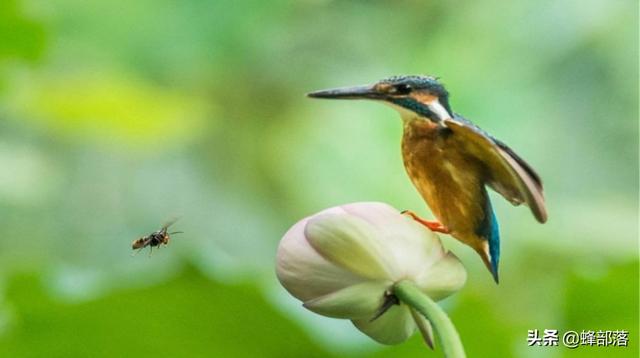
② 'Avoiding Unexpected Events for the Queen Bee' : This point may not be known to many friends. In fact, the people who farm bees know this best. In fact, the queen bee's mating is a very dangerous process every time. Although the queen bee is a small insect, it is still an insect, and the queen bee's mating can easily encounter dangers. For example, when the male bees chase the queen bee, they may easily encounter birds chasing, and in this process, the queen bee may become the food of birds, causing the queen bee to be lost, or the queen bee may drown in the water because of falling during the competition of the queen bee's honeymoon flight time
23
“”2
①
②100%