The Coronavirus Was Likely Transmitted from Wild Animals, But Not All of Them Should Be Blamed
Recent popular coronaviruses are 90% to 80% likely to have originated from bats, which has been acknowledged by most experts in this field.
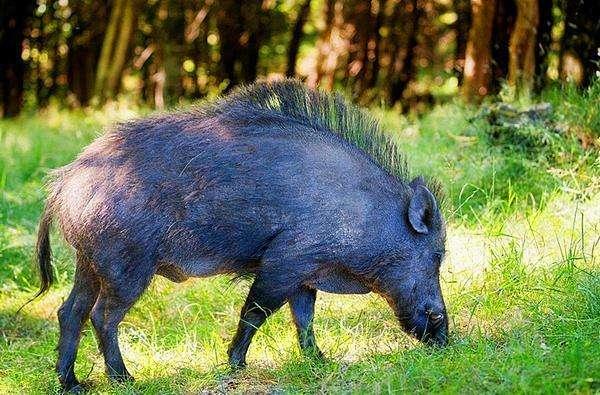
Our country has recently increased its supervision and cracking down on the illegal hunting and consumption of wild animals. Previously, some animals that caused trouble for crops, such as wild boars, monkeys, could be driven away and hunted and captured. However, in order to protect the ecological balance, the country has increased its protection of wild animals, so it’s not right to say that wild boars and monkeys cannot be hunted, even sparrows and pheasants cannot be hunted.
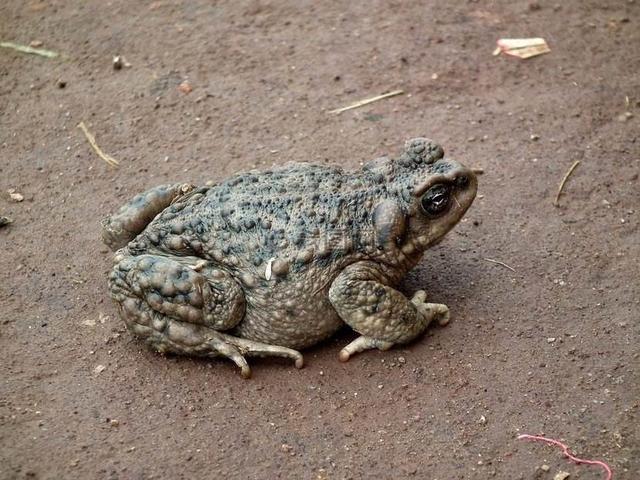
However, we have little regulation for some smaller animals, such as frogs, toads, snakes, and even bats. These things are also an important part of protecting the ecological balance. Many people consider them harmful animals, and some people even catch them to eat. It’s understandable that some people eat frogs and snakes, after all, some are artificially raised for consumption. But some people eat toads and bats for their rich flavors, which is a bit too heavy-handed.
Everyone knows that toads are poisonous, and toad meat has a lot of parasites. If not handled carefully, eating it can cause poisoning or infection with parasites. However, this doesn’t stop the mouths of those who like to eat spicy food from eating them.
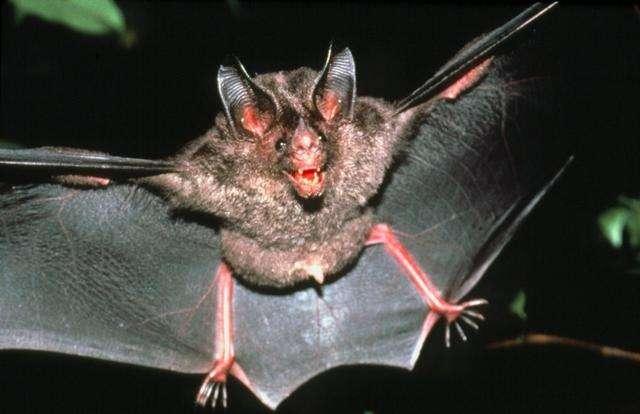
As for bats, it’s even more terrifying and disgusting to look at, and bats themselves carry dozens of deadly viruses, some of which can be transmitted. But some people still dare to eat them.
Therefore, the transmission of the current coronavirus is likely to come from bats. I don’t understand why some people insist on eating meat, and why they specifically eat bat meat.
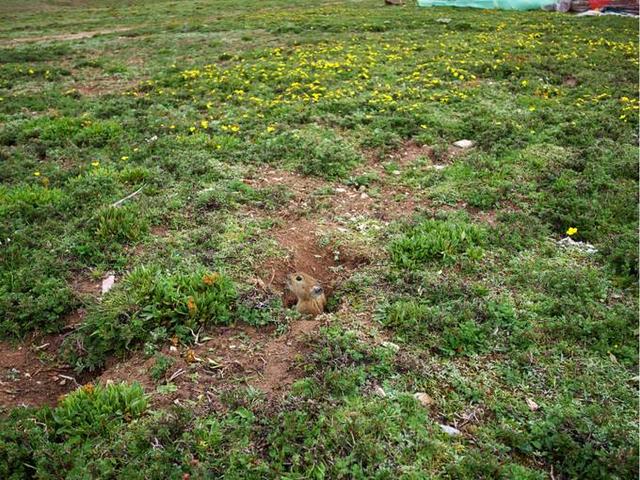
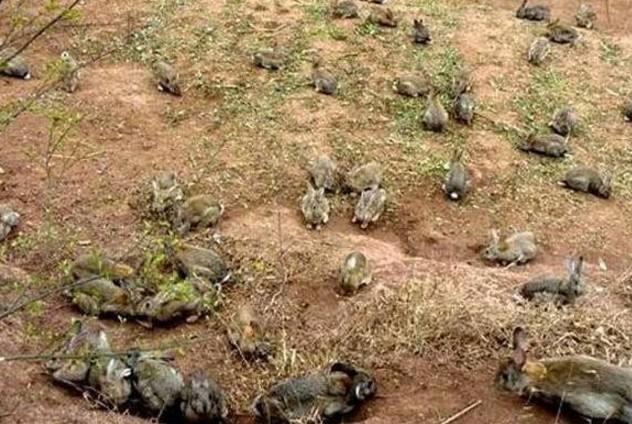
After the outbreak of the coronavirus, the country has further increased its crackdown on the seizure and consumption of wild animals. Although this can further protect our risk of infection with wild animals, I don’t think all wild animals should bear this burden. Some overpopulation of wild animals is not a good thing, such as rabbits, wild boars, and field mice. They are one of the best destroyers of crops, especially corn, potatoes, and grain crops, which are most favored by them. These animals are excessively abundant, which can make crops suffer a large loss.
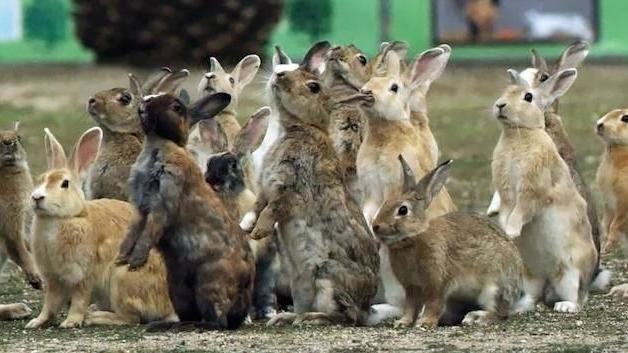
Although the country compensates for the damage caused by wild animals, if they continue to damage crops, the compensation will only be a drop in the bucket.
Therefore, in terms of capturing or hunting wild animals, we cannot be indiscriminate.We should distinguish between them, depending on the situation. For example, wild boars, rabbits, and field mice have a very strong reproductive ability, and often without human control, they will cause large-scale crop destruction.
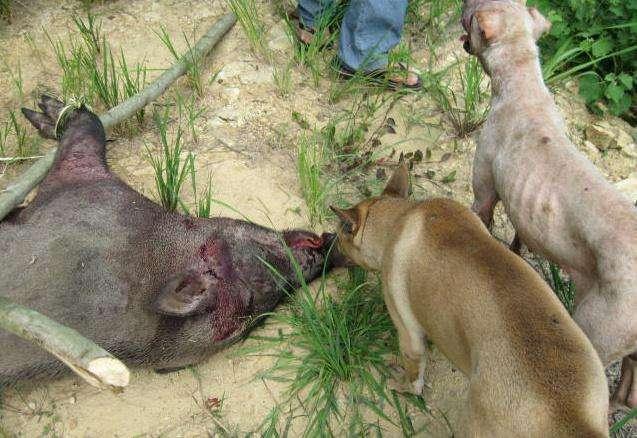
Last year, my cousin contracted 100 acres of land in a deserted mountain village to grow high-quality corn. However, there were many wild boars in that area, and when he planted corn, the wild boars frequently launched attacks to damage the corn. My cousin tried many methods to drive them away, but they didn’t work well. So he hired people to trap and sell a few wild boars, but they were stopped by the village committee, saying he couldn’t sell wild animals, and he had to release them. My cousin said how could he bear the loss, and the village committee applied to the higher authorities for compensation, but he still lost a lot of money in the end. After a year, my cousin gave up planting corn and lost a lot of money.
Therefore, wild animals need to be protected, but they cannot be treated indiscriminately. For some animals that cause more harm, we should intervene and control them. We cannot blame all wild animals for the outbreak of a virus.