Will You Really Provide the Correct Sunlight for Turtles? If Not, Turtles May Die
Let's first talk about the differences between greenhouse turtles and species turtles.
Species turtles, also known as breeding turtles, are turtles raised specifically for the purpose of breeding, primarily employing natural-style farming methods, with farmers raising and selling seedlings.
Greenhouse turtles are mainly for food and medicinal use, earning money through 'volume'. Farmers generally adopt year-round warming (no hibernation), full feeding (fast growth) farming methods to reduce mortality rates and shorten growth cycles, thereby expanding profits.
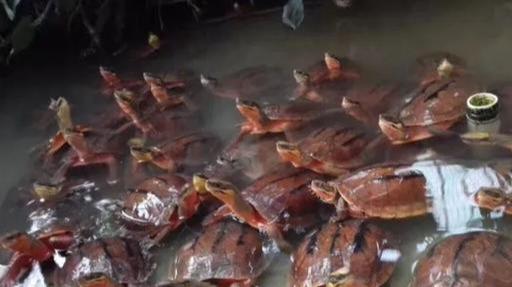
The difference between the two is largely due to the different farming methods. The cost of raising species turtles is significantly higher, so some people use greenhouse turtles as breeding turtles to reduce costs, which has shown obvious problems after a period of verification.
Greenhouse turtles are a product of acceleration, and their turnover rate is also fast, with low egg-laying rates and low fertility rates in the long run, and the quality of the seedlings hatched is also not as good as non-greenhouse farming species turtles.
It's easy to understand, just like free-range eggs versus feed eggs; even if experts analyze and say they have the same nutritional value, we still think free-range eggs are better. The input costs are different, and the returns are naturally different.
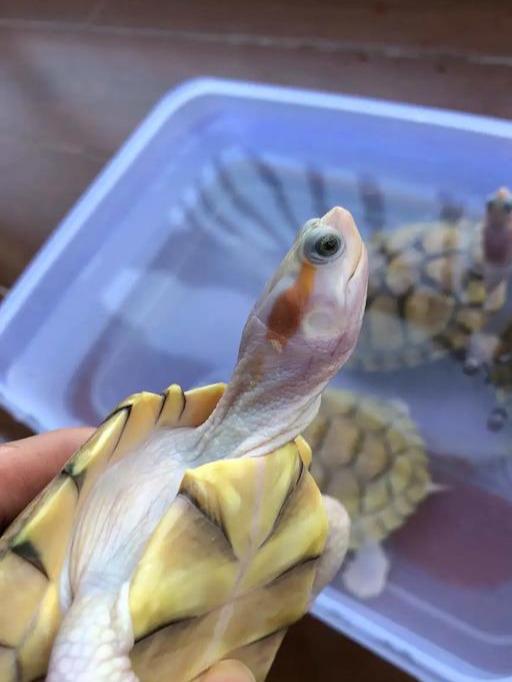
Now, turtle enthusiasts are concerned: 'Can I raise my greenhouse turtles back to breeding turtles by using natural methods?'
We believe it is possible, but it needs to be analyzed specifically.
For newly hatched seedlings, we strongly recommend using a greenhouse incubator to protect the newly hatched seedlings from their first hibernation period in winter, which can effectively reduce the mortality rate of the seedlings.
In this case, the seedlings returned to natural environments for rearing will have a very good effect on breeding, and this is the mainstream choice currently, but 'pure wild' is basically not credible.
If your turtles have already undergone several years of greenhouse farming, or even laid eggs, it is not effective to raise them back as breeding turtles at this time.
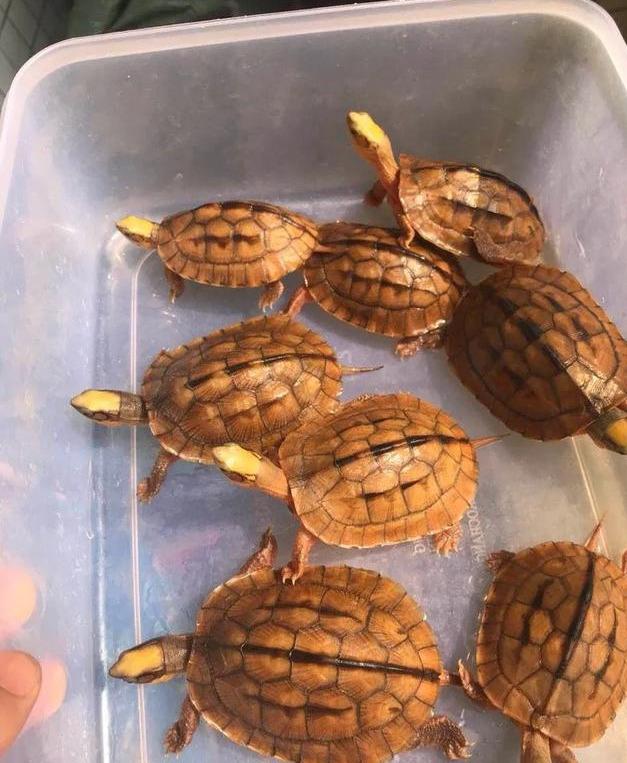
To raise greenhouse turtles back to breeding turtles, you need to pay attention to:
1, Avoid temperature differences. The change between the greenhouse environment and the natural environment is large. If you are not prepared, the turtles will find it difficult to adapt and are prone to illness. Before moving, gradually lower the indoor temperature a few days prior to moving the turtles to make the indoor and outdoor water temperatures consistent.
2, Avoid infection. Check the health condition of the turtles, and do not invest in outdoor rearing if the turtles are in poor condition. At the same time, disinfect the pond where the turtles are placed.
Greenhouse turtles can be raised as breeding turtles, but the quality will be different, and it is mainly for economic considerations (pure wild turtles are extremely rare).
This article was originally created by a turtle enthusiast