Critically Endangered White-tailed Gull Finds New Habitat in Urengu Lake Wetland
Source: Tienshan Net
Tienshan Net Report (Reporter Zhao Mei Report) The world’s critically endangered White-tailed Gull has found a new home in the Urengu Lake wetland in Xinjiang. Currently, the Xinjiang Bird Watching Association has jointly undertaken monitoring and investigation of the White-tailed Gull habitat with the Urengu Lake Wetland Park Administration.
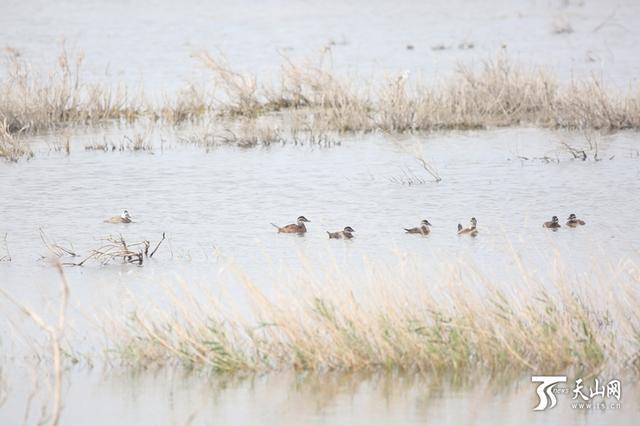
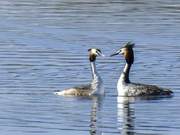
White-tailed Gull family photographed in Urengu Lake in summer 2019.
According to Guo Jun, the project leader of the ‘Let Birds Fly’ project of the Xinjiang Bird Watching Association, White-tailed Gulls had been found in Urengu Lake as early as 2017. ‘At that time, the number of White-tailed Gulls found was not much, and there were a few or more than ten in the migratory season or summer, but there was no record of chicks breeding.’ In the migratory season of 2019, local volunteers discovered more than a hundred White-tailed Gulls ‘resting’ on the lake surface, and in the continuous summer observation and investigation, 9 pairs of White-tailed Gulls ‘couples’ remained to breed. ‘At that time, the lake area was relatively large, and the reeds were dense, so there may be White-tailed Gulls that are still in the process of breeding, but they have not yet been found.’ Guo Jun said.
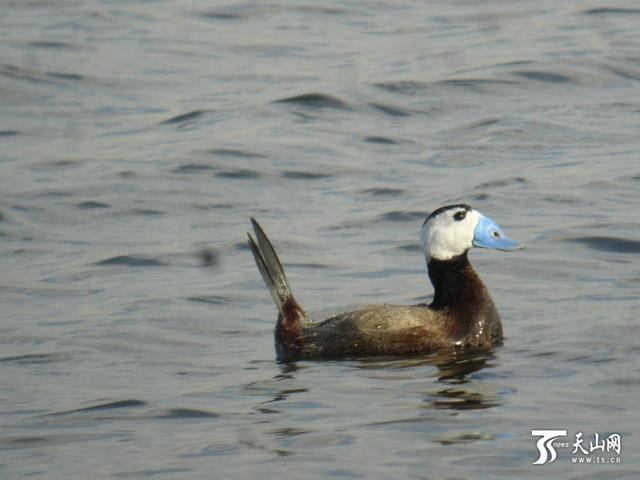
Male White-tailed Gull photographed in Urengu Lake in summer 2019.
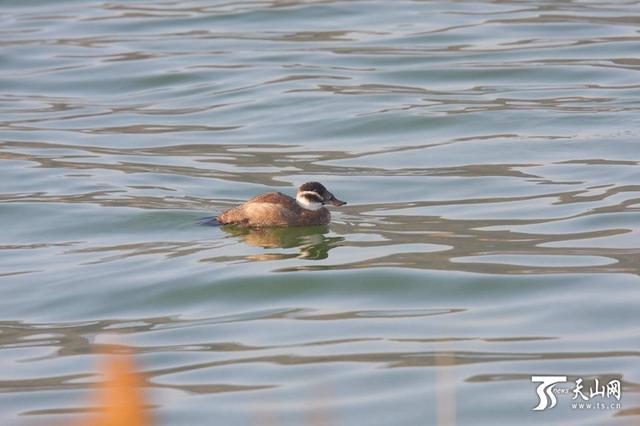
Female White-tailed Gull photographed in Urengu Lake in summer 2019.
According to Guo Jun, since White-tailed Gulls belong to Xinjiang’s breeding birds or migratory birds, in recent years, researchers have discovered more than ten sites in Xinjiang where White-tailed Gulls can be seen during the migratory season, but very few of them stay to breed. ‘Besides the permanent breeding records of Whitebird Lake and Kuytun Wetland, there are few stable breeding records in other water bodies.’ he said.
Urengu Lake wetland is located 20 kilometers west of the city of Fuhai, Altay Region, inside the settlement of Jetaral, and consists of Urengu Lake and Gili Lake. It is located in a global migratory stopover area for birds, where there are the most abundant fish resources in North Xinjiang. About 245 species of birds reside here annually. Some of the ecological environment and Whitebird Lake and Kuytun Wetland are very similar, and last summer, they also recorded the breeding of young birds. In Guo Jun’s view, here may become a long-term home for White-tailed Gulls.
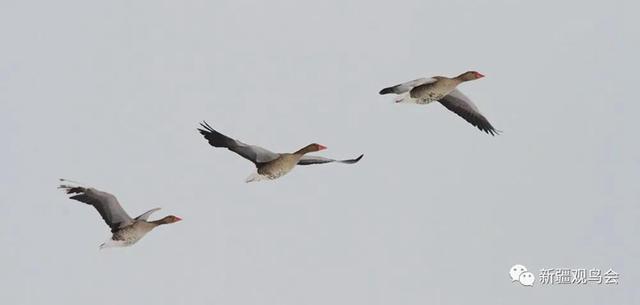
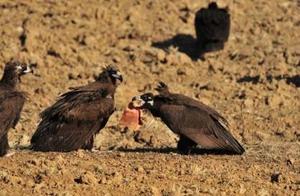
Recently, a flock of Gray Geese photographed in Urengu Lake by the Xinjiang Bird Watching Association.
White-tailed Gull, which has been classified as critically endangered by the World Conservation Union, with a global population of about 7000 to 13100, mainly distributed in Spain, Russia, Turkey, Iran, Mongolia, and China, where it only breeds in Xinjiang, and the number is only dozens annually.
'Let Birds Fly' project was initiated by the Altay SEE Foundation in March 2016, is a comprehensive ecological protection project to safeguard China’s most endangered waterbirds and their habitats. The Altay SEE Foundation’s ‘Let Birds Fly’ through coordinated collaboration with wetland surrounding ecological protection organizations, local government departments, enterprises, and local residents, to conduct ecological protection networks.
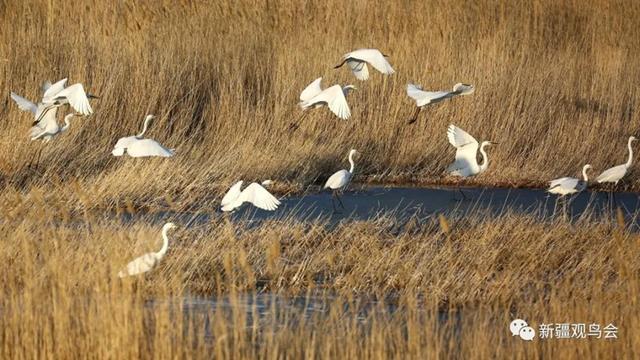
Recently, a flock of White Storks photographed in Urengu Lake by the Xinjiang Bird Watching Association.
To further understand the population distribution of rare birds such as White-tailed Gulls and other rare birds in Urengu Lake wetland, the Xinjiang Bird Watching Association has jointly applied to the Altay SEE Foundation’s ‘Let Birds Fly’ with the Urengu Lake Wetland Park Administration, and was established in early 2023 to start long-term monitoring and investigation of White-tailed Gulls and other rare birds. (Photo and video provided by Wang Yong, the ‘Let Birds Fly’ project team of the Xinjiang Bird Watching Association)