White-Backed Storks, White Herons, and Wattled Storks Have Arrived
Source: Yuxi Net

Focusing on
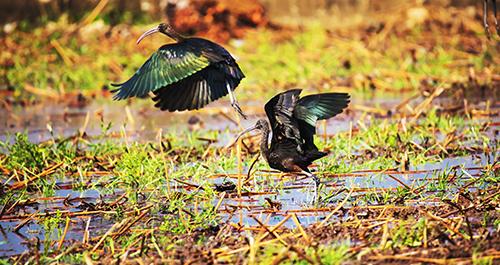
Spread their wings
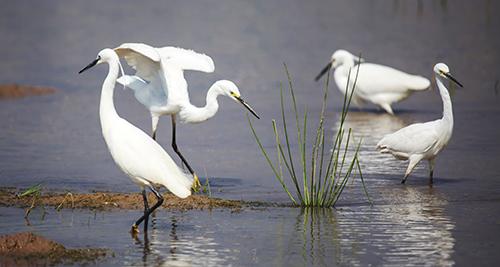
Exquisite appearance
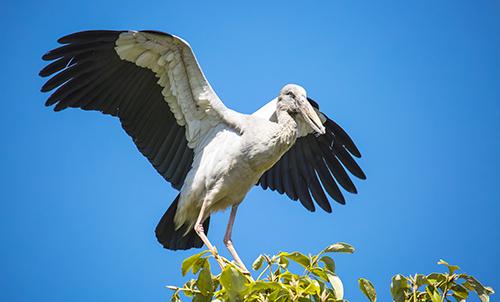
Wattled Stork
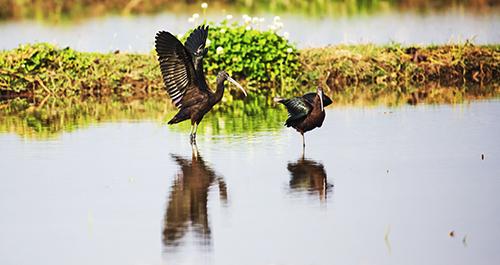
Dancing
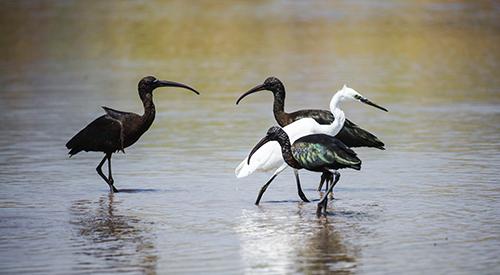
Harmonious coexistence
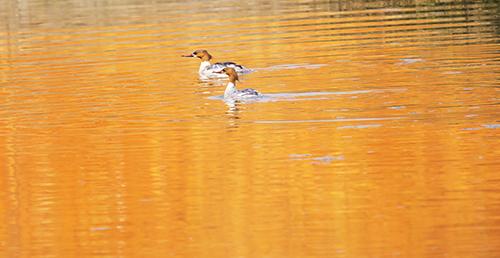
Autumn Mallards of Fushen Lake
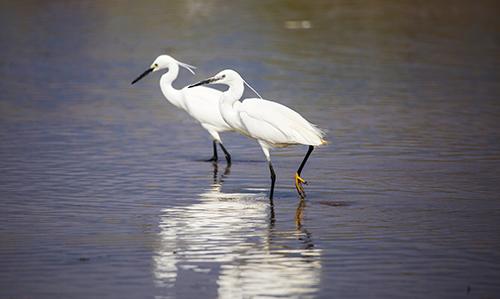
Egret
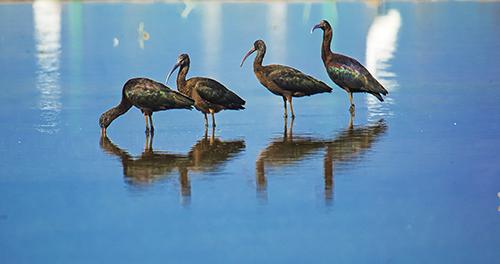
Queueing
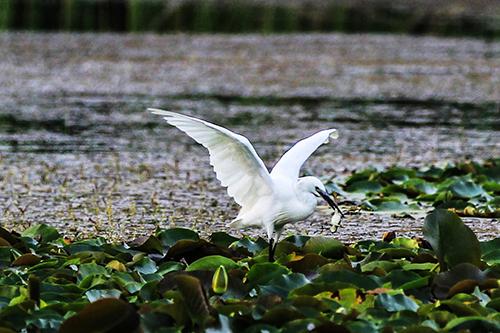
Capturing
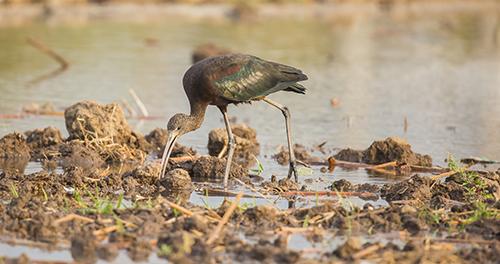
Foraging
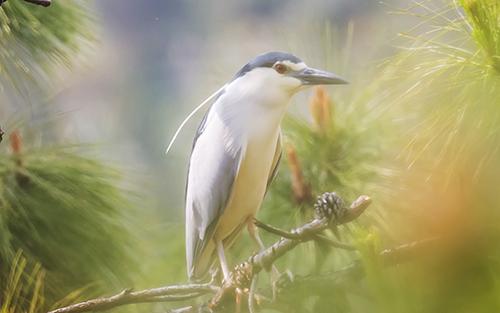

Flock flying
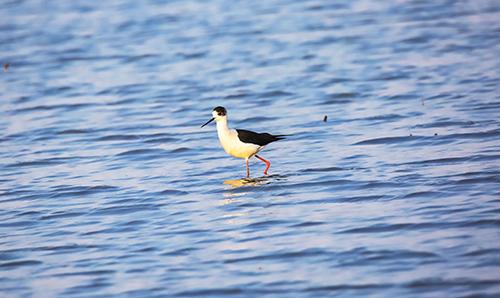
Long-horned wings
□ Correspondent Liu Gui Neng Photo/Text
On March 5th, photographers from Chengjiang City discovered the shadows of 4 White-backed Storks in the lotus fields on the north shore of Fushen Lake. White-backed Storks are a secondary-level protected animal in China, with their plumage mostly copper-bronze color, long and downward curved beaks, and beautiful shape, with high recognition degree. According to the ‘Chinese Endangered Animals Red Book’ published in 1998, the World Nature Conservation Alliance announced that the White-backed Stork had disappeared from China. Records show that within 70 years, the White-backed Stork was not observed in China. In 2012, the first traces of White-backed Stork were found in our province, and since then, there have been more than 20 sightings, mostly solitary birds or small populations. This time, 4 were found on the shores of Fushen Lake.
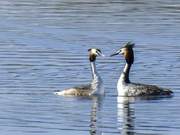
Hundreds of Wattled Storks were also found in the wetlands and 100-meter buffer zone on the north shore of Fushen Lake foraging. It is understood that Wattled Storks belong to the order Gruiformes and the family Gruidae, mainly living in Laos, Thailand, Myanmar, India and other countries in Southeast Asia. In 2013, Wattled Storks were listed in the ‘Red List of Endangered Species of the World Nature Conservation Alliance’ and are classified as secondary key protected wild animals in China. They migrate from spring to June every year, mainly feeding on fish, shrimp, crabs and shellfish.
In recent years, Chengjiang City has vigorously promoted the restoration of the Fushen Lake ecosystem and the construction of wetland riparian zones. The lotus ponds and shallow water grasses in the area are home to various aquatic plants and fish and shrimp, which are very suitable for these birds to live and forage.
Editor: Liu Yan, Reviewer: Xi Ping