A Comprehensive Guide to Inherited Diseases in Dogs (Part 2)
Last time we compiled a portion of popular dog's hereditary diseases, it's really shocking.
In fact, there are quite a few hereditary diseases in common dogs around us, so what else are there?

Image from Zhihu @Beibei
Golden Retriever
One of the most common large breeds, known for being kind and friendly, loyal to people. They love to exercise, are quite greedy, and have an IQ ranking of 4, with a sense of humor, and even some blind confidence.
Common hereditary diseases include:
Cataracts, progressive retinal atrophy, eyelid and eyelash issues, elbow dysplasia, hip dysplasia, valve stenosis, hereditary thrombocytopenia, heart disease, epilepsy, skin diseases.
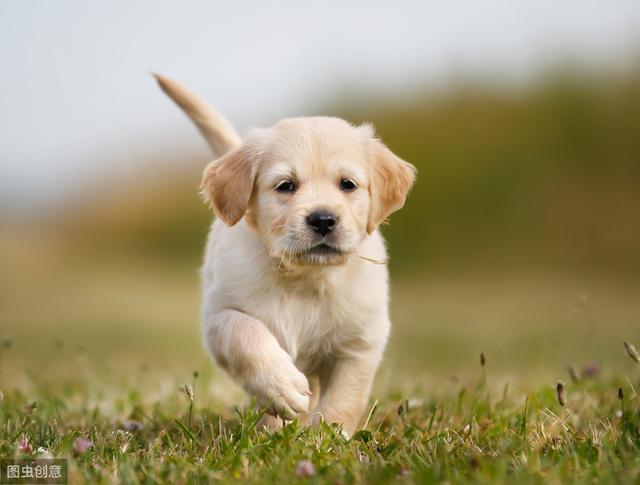
Shichuan Dog
Also one of my favorite breeds, a small dog, almost no shedding, lively, sometimes like a little chili, mischievous and stubborn, but very loves its owner, very clever, it will be coquettish. The hair is constantly growing, and it can be shaved short to save time for grooming.
Common hereditary diseases include:
Eyelid prolapse or ectropion, progressive retinal atrophy, ear infections, hip or elbow dysplasia, kidney malformation, thyroid dysfunction, allergies, respiratory difficulties, heat stroke.

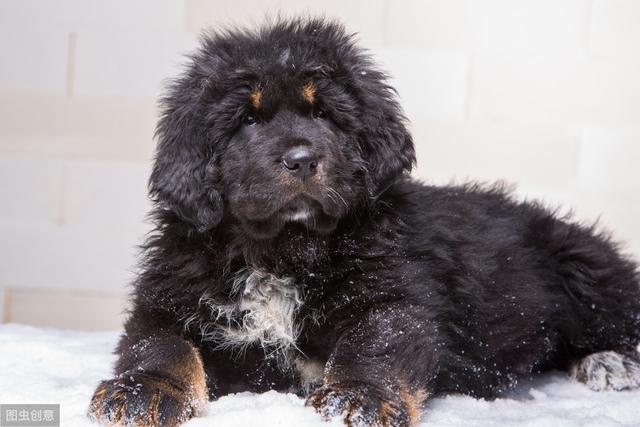
Tibetan Mastiff
An ancient oriental sacred dog, strong-willed, powerful, proud, but extremely loyal to its owner. They don't like to play rough with other breeds, and they have the temperament of a king, guarding the house with one hand.
Common hereditary diseases include:
Eyelid inversion or inversion, progressive retinal atrophy, cataracts, hip or elbow dysplasia, malocclusion, heart problems, hypothyroidism, skin allergies, epilepsy.
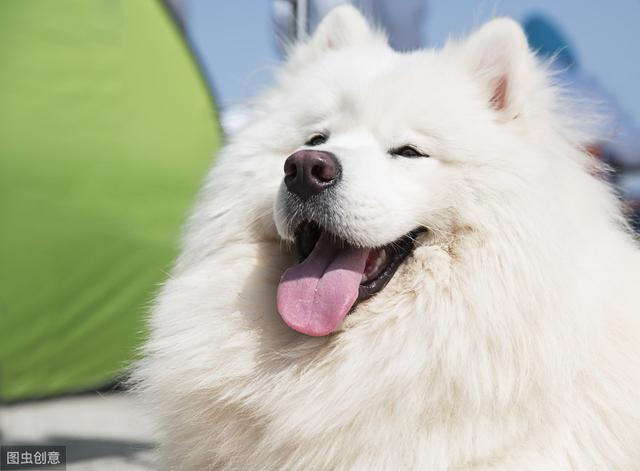
Samoyed
Also known as Little Angel, a medium-sized dog, docile, curious, and full of energy. Their personality differs before and after one year old, and they become more independent as they get older. Their hair is dense, so they need to be groomed frequently.
Common hereditary diseases include:
Patellar luxation, hypothyroidism, hypoglycemia, heart disease, epilepsy, tracheal collapse, skin diseases, dental and gum defects.
In fact, besides the above several dogs, Pugs, Dachshunds, Ancient Sheepdogs, Yorkshire Terriers, and Charles Prince Beagles are also popular breeds with a high incidence of hereditary diseases. It is necessary to clearly know their hereditary diseases before choosing a puppy.
Of course, this doesn't mean that dogs with hereditary diseases are not good dogs. Humans also have up to one-fifth to one-quarter of the incidence of hereditary diseases. If we understand more, we can better take care of our pets. In conclusion, regular checkups are the main way to prevent hereditary diseases from occurring.
Whether it's a purebred dog or a farm dog, as long as it's healthy, it's more important than anything.