Rare Desert Fish
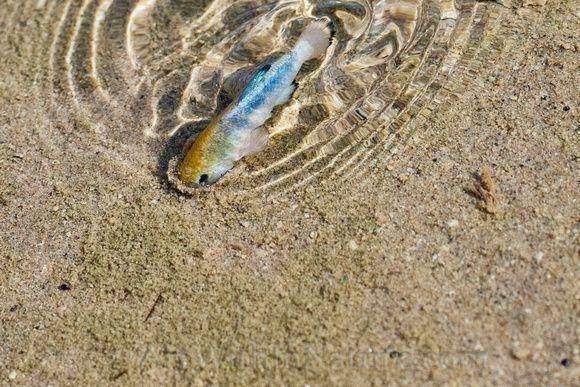
Desert fish, as the name suggests. Many people think 'deserts and lack of water, how could fish survive? However, fish do exist in the desert. They live in the desolate marsh 'Death Valley', which is currently the lowest, driest and hottest region in North America.
Desert fish is its scientific name. It is an endangered fish species because its survival depends entirely on the environment: rare water sources in the desert are a necessary condition for its survival. All populations' habitats are in a small pond in Death Valley. Because groundwater resources have dried up, it is on the verge of extinction. Desert fish is a relatively small fish.
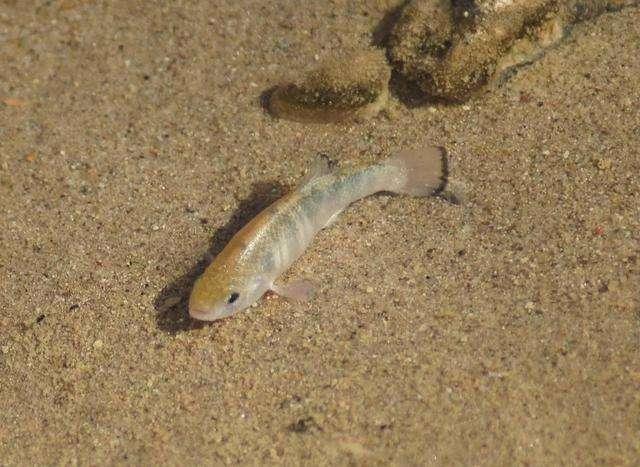
Desert fish lives in the desolate marsh 'Death Valley', which is currently the lowest, driest and hottest region in North America. Desert fish's body, brain and behavior are very flexible, and its development is greatly influenced by its early environment. This flexibility is called phenotypic plasticity, which plays a key role in the formation of desert fish's phenotypic diversity. Many animals such as bees and vertebrates have phenotypic plasticity. Some special phenotypes are formed depending on their special habitats, and once the habitat changes, the phenotypic characteristics will change. The water temperature in Death Valley is not suitable for desert fish's survival and reproduction, and the famous 'Devil's Hole' is the desert fish's only natural habitat. Plasticity has a genetic basis, determined by the genetic makeup of individual organisms and the survival environment. A new direction of adaptive evolution depends on the fact that the organism is variable, and this variation is jointly determined by genetic and phenotypic plasticity.
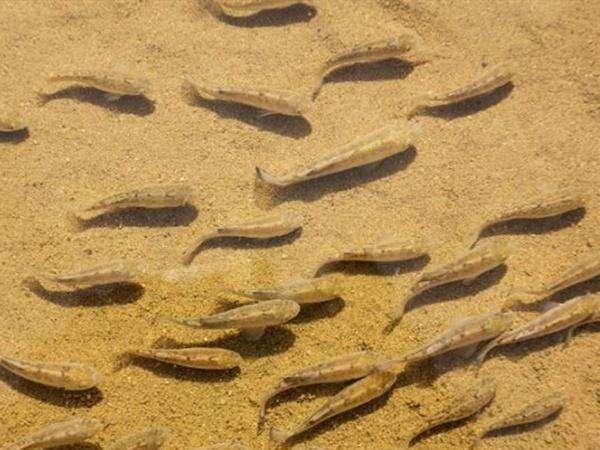
Devil's Hole, located 96 km east of Death Valley, is the desert fish's only natural habitat. Geologists estimate that the cave is at least 130 meters deep and has formed for 500,000 years. These fish came to this hole no more than 50,000 years ago. 50,000 years ago, the collapse of the cave's top, possibly due to earthquakes, exposed it and its water. The water in Devil's Hole is low in oxygen and maintains a temperature of 33.3°C~33.9°C, which is the upper limit that most fish can tolerate. Desert fish's behavior depends on the environment of its habitat, and excessive dependence on the only habitat will make the desert fish in Devil's Hole easy to extinction, so people built three refuges that imitate the environment of Devil's Hole. 5 years later, it was found that the desert fish in the refuges differed greatly from the desert fish in Devil's Hole.
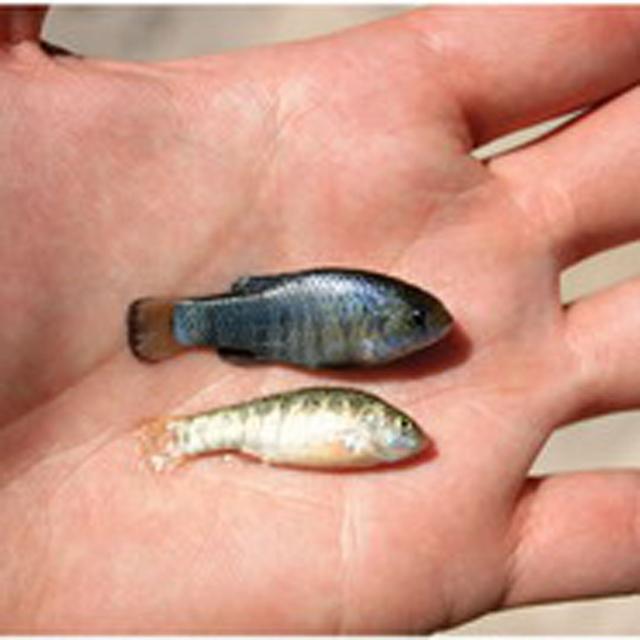
96“”130505533.3℃~33.9℃5