Komodo Dragon: The Solitary Foodie, Embarking on a Culinary Journey, Accepting Anything as Food
Where are the exotic animals? Join us to find out!

Many people watch eating show videos at night, seeing the hosts and food bloggers eat happily, which makes people drool uncontrollably.
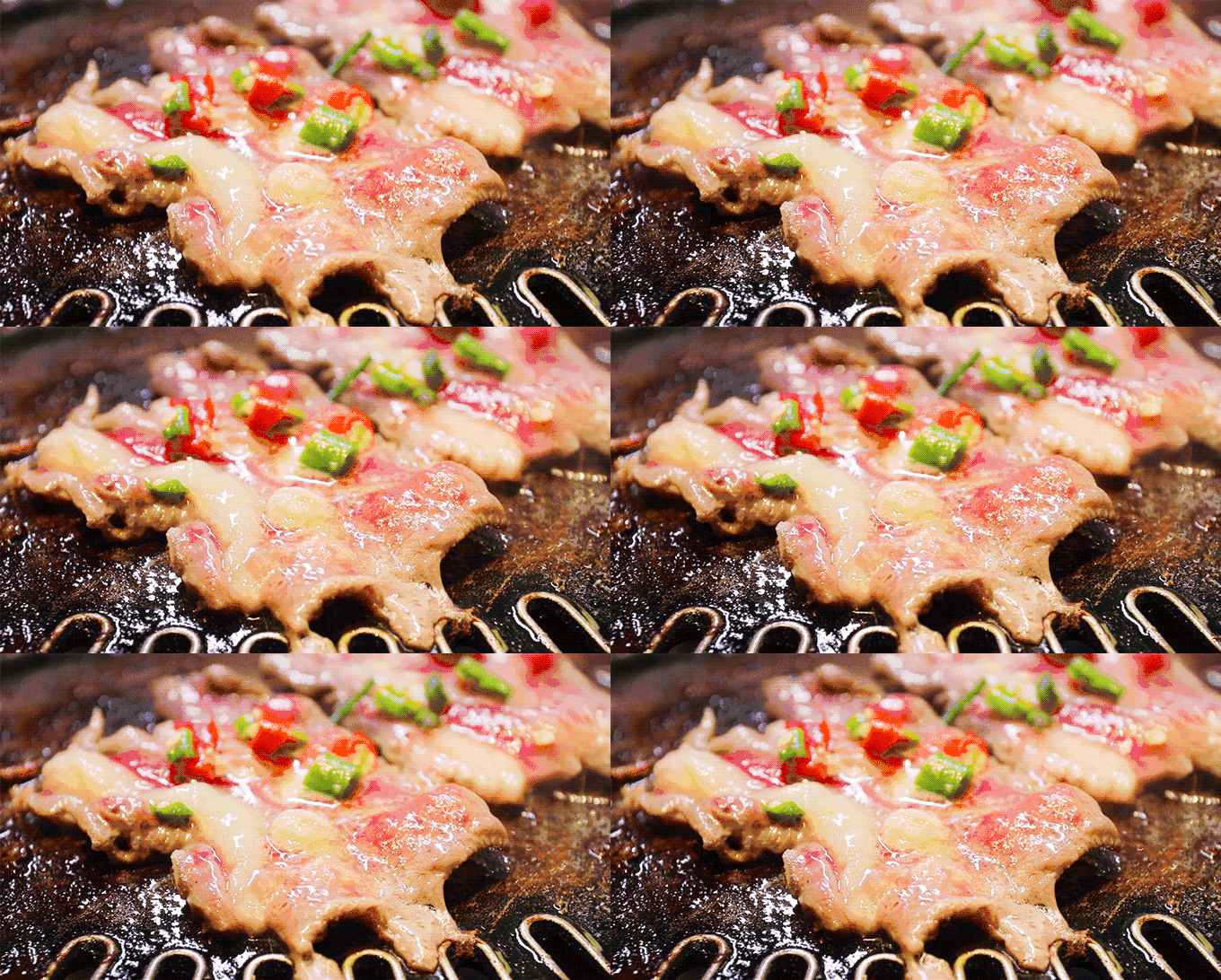
This drooling way made me think of a reptile—the Komodo dragon. As for the Komodo dragon, many people are familiar with it. As the largest lizard, it is also known as the Komodo dragon.
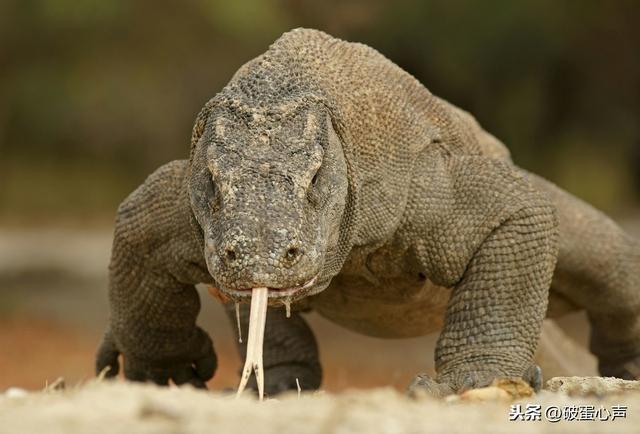
People usually think of Komodo dragons as terrifying, violent, and biological weapons, but I think they are just 'big foodies.' Let's break down why.
Welcome, the Unrefused Big Eater
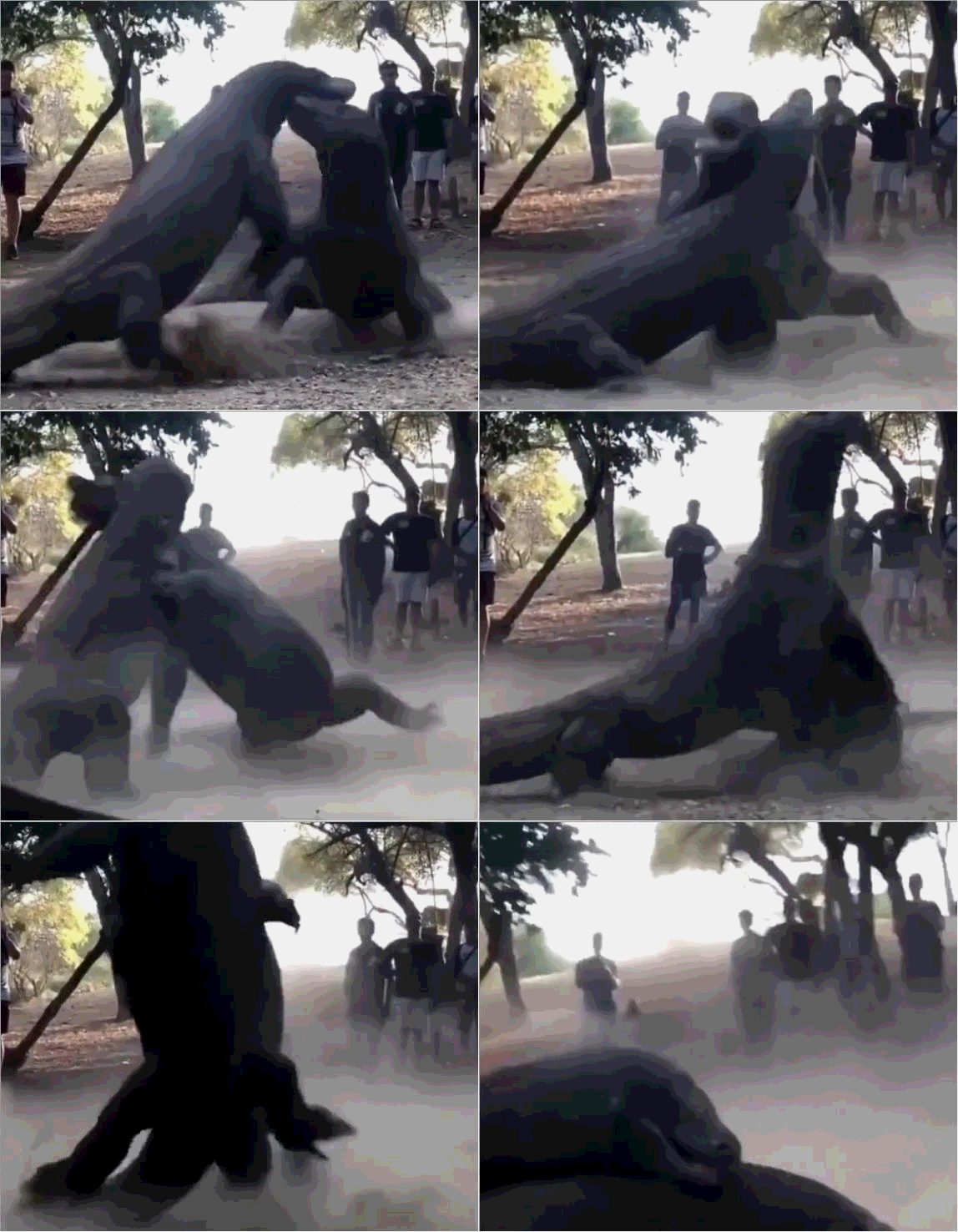
Komodo dragons live in the small Sunda Islands of Indonesia. In these islands, there are many animals, but there are few ferocious carnivorous animals, so Komodo dragons have become 'kings' in this environment because there are no predators. All animals on the island are on the menu for Komodo dragons.
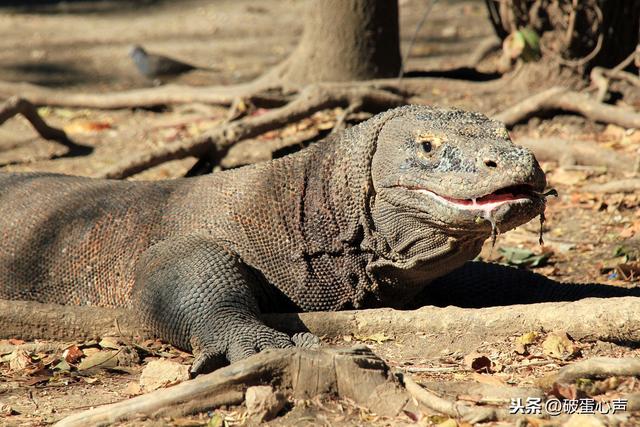
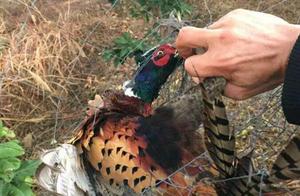
On the island, whether it's flying in the sky, swimming in the sea, or running on the ground, as long as it can be eaten, the Komodo dragon will not refuse it and enjoy a feast.
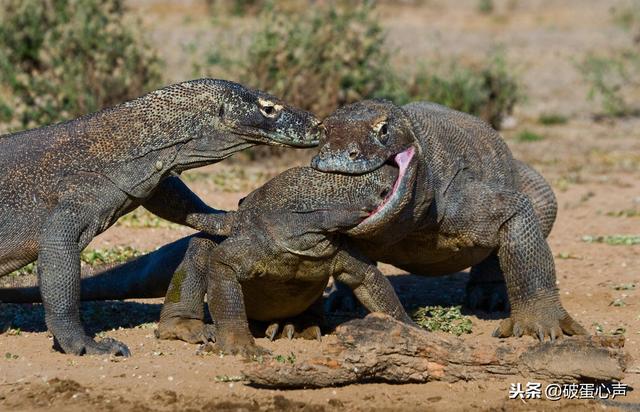
Even its young offspring are not spared by the Komodo dragon, who sees only 'eat' and 'delicious'!
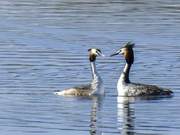
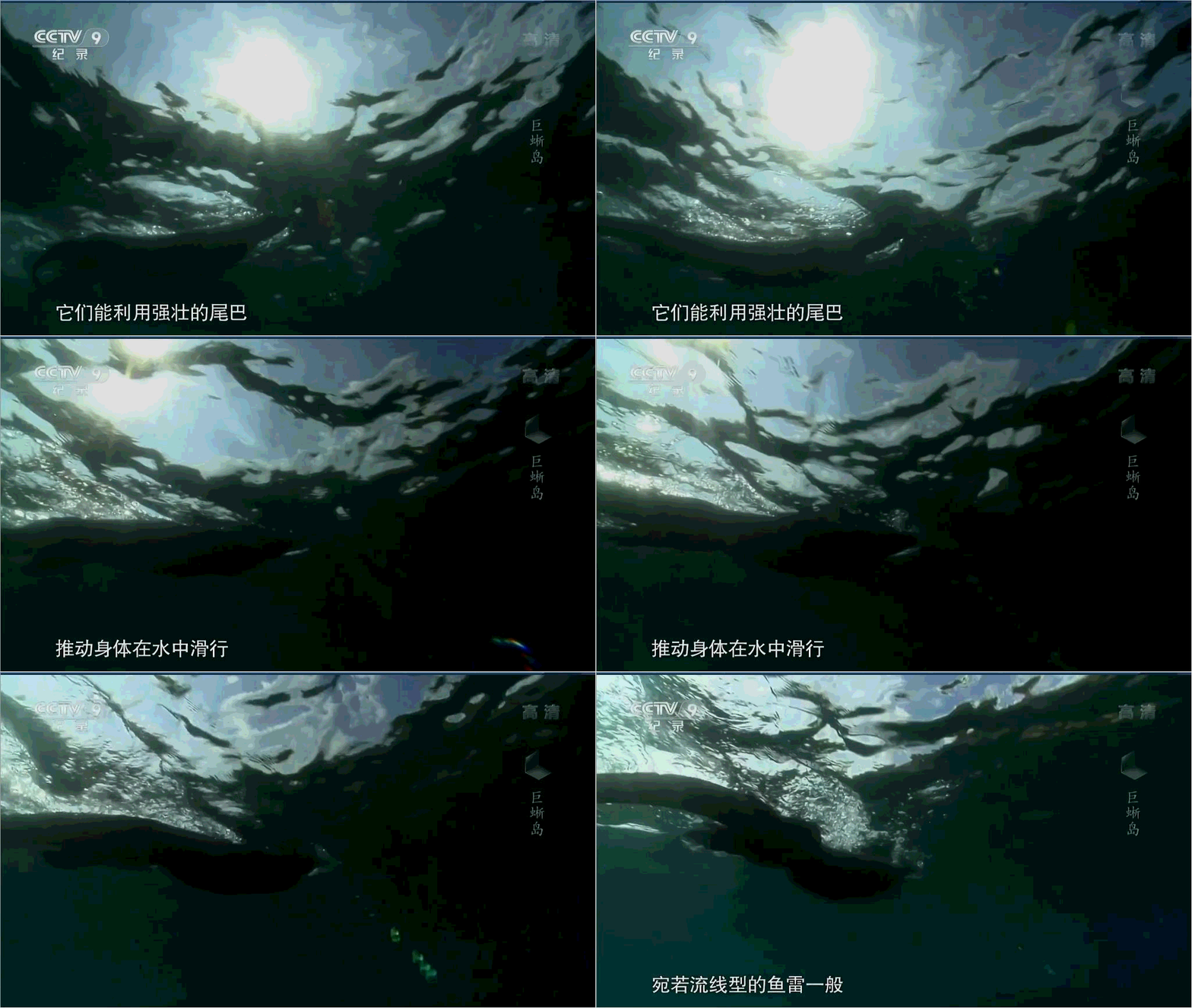
Without terrestrial 'food', Komodo dragons will also go to the water to find 'seafood' to taste. It has excellent swimming ability, can hold its breath in water for up to 30 minutes, and can slide through the water by shaking its thick tail, and even hunt in water.
Searching for Food
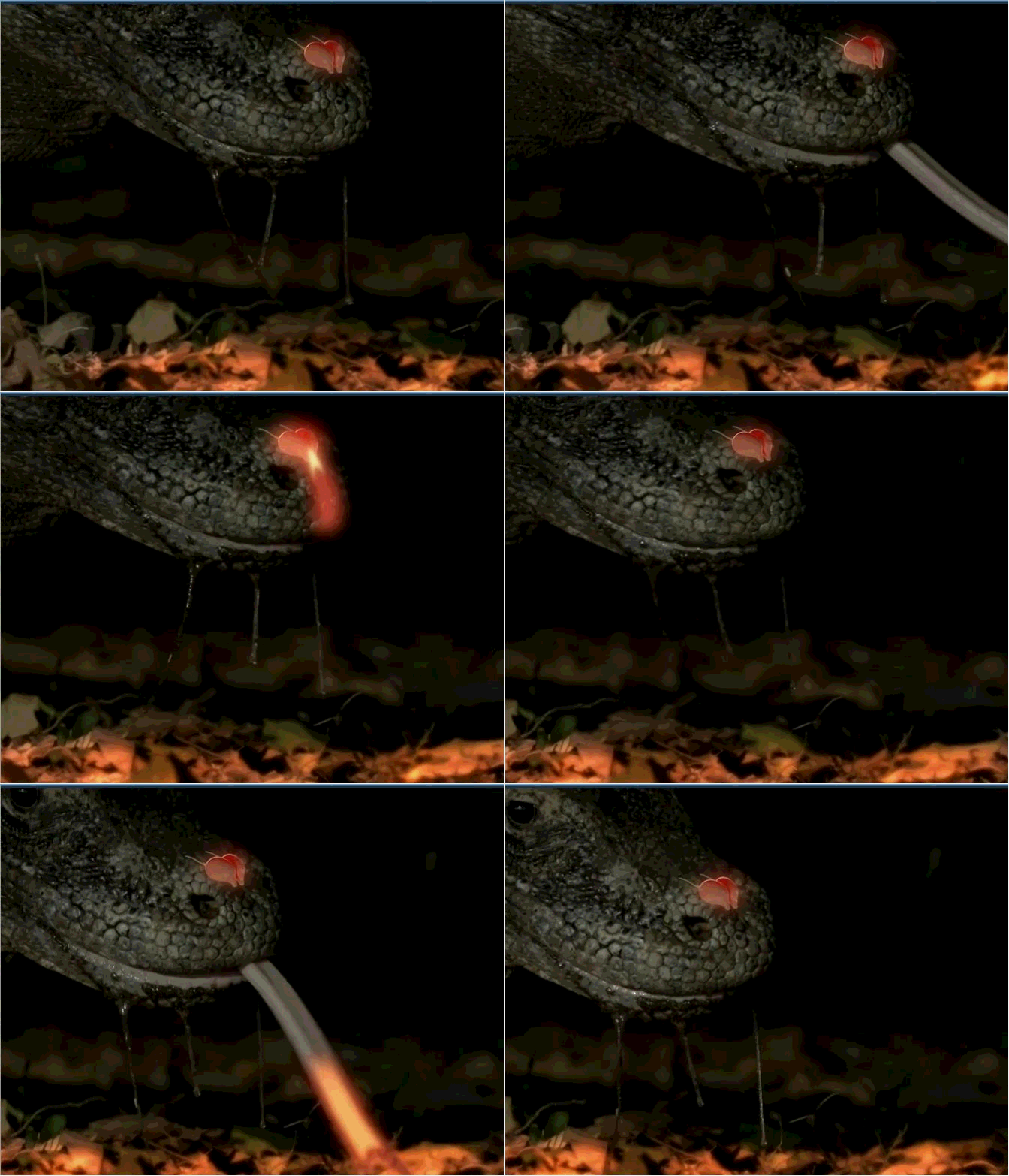
Since there are so many foods on the island, the most difficult thing is 'to find food.' Komodo dragons are lone wolves, except for eating and mating, they usually act alone. As a foodie, its tongue is the most powerful. It can collect the fragrance of food in the air and transmit it to the sensor. This 'tongue' can collect the fragrance of food within a radius of ten miles.
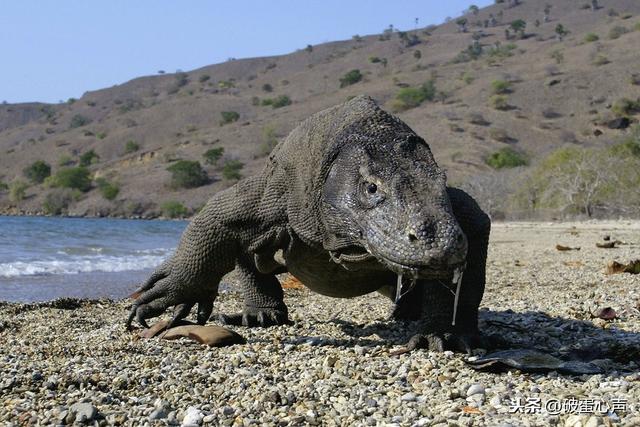
After finding 'food', this 'lone foodie' will still use slow and clumsy steps to make the 'food' relax. The prey thinks, 'This guy is so slow, let him approach before running.' Unknowingly, when the Komodo dragon gets close enough, it will quickly approach at 20 kilometers per hour. At this time, when it thinks it can eat food, the Komodo dragon will involuntarily 'spit' saliva.
The Venomous Bite of the Komodo Dragon
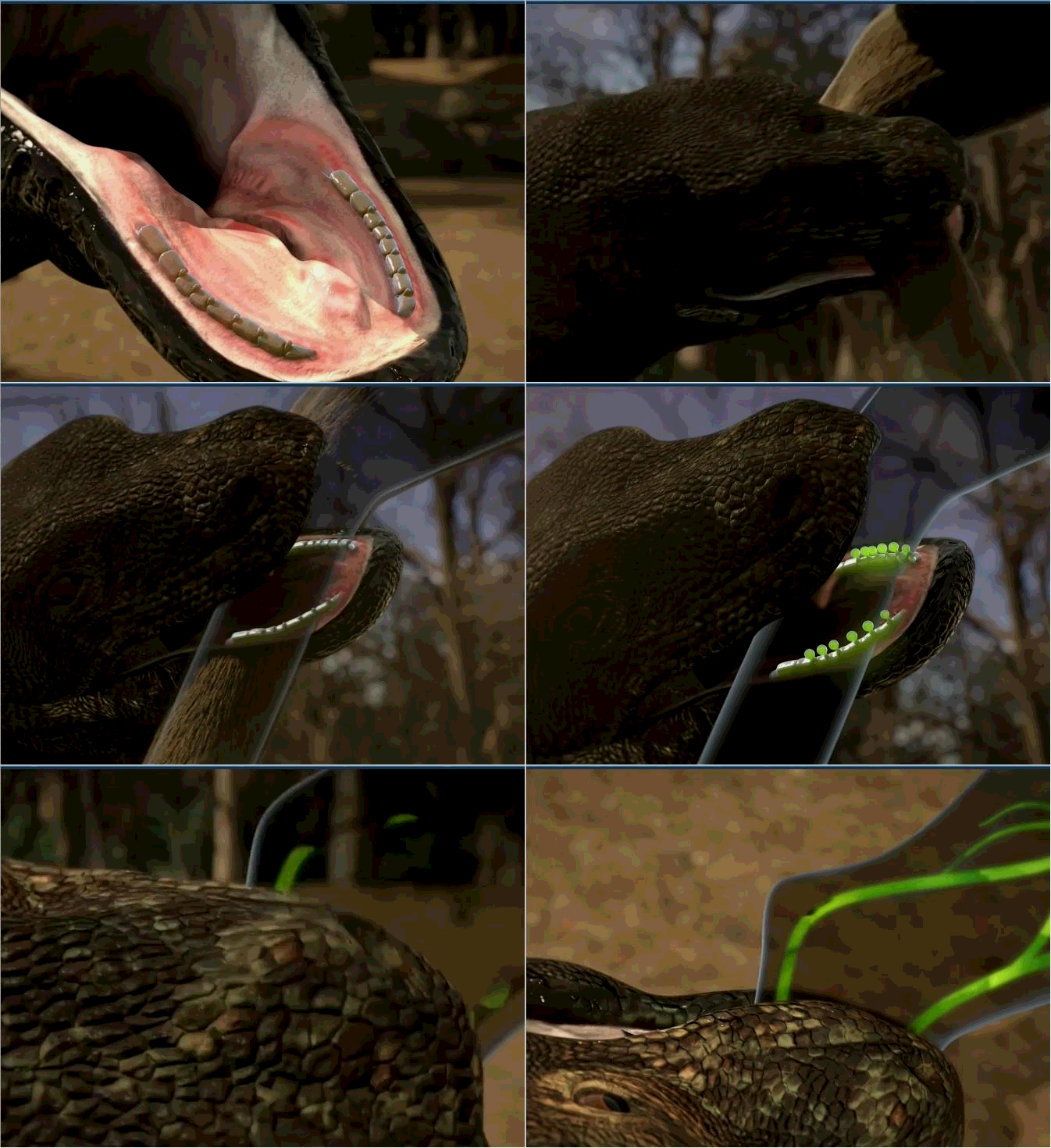
This venomous bite is not simple. It is mixed with bacteria and venom, and the venom has an anticoagulant effect, causing the wound to continue bleeding, and the venom also lowers the blood pressure of the prey, causing the prey to become paralyzed, exhausted, and unconscious. This large 'buffet' will gradually consume energy and blood, and finally can only 'wait to die'.
Venom Secreted from the Gum
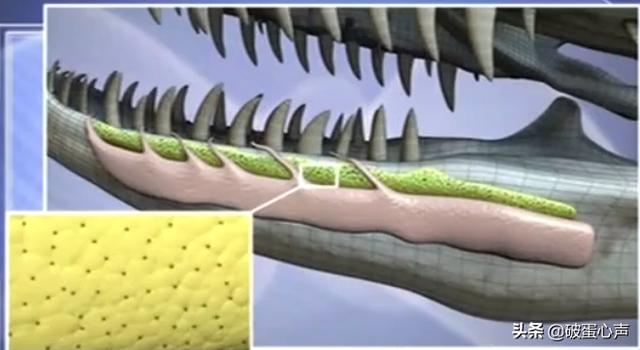
Once it tastes 'the flavor of food', it will track 'food' relentlessly, regardless of other 'food' appearing on the road. It doesn't care about anything.
The Waste-Free 'Big Eater'
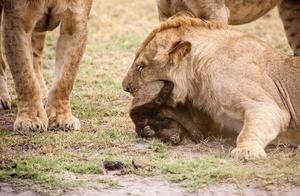
After finding its 'venomous bite' marked 'food', it will cut the 'food' into small pieces and swallow it whole. To avoid wasting food, it will swallow the edges and corners of 'food' (skin, hooves, and bones). It will even 'share' with the same species attracted by the 'taste of food' . If it can't finish eating, it will bury 'food' underground to dig out and eat the next time it's hungry.
After Eating, it Lays Lazy to Digest Food
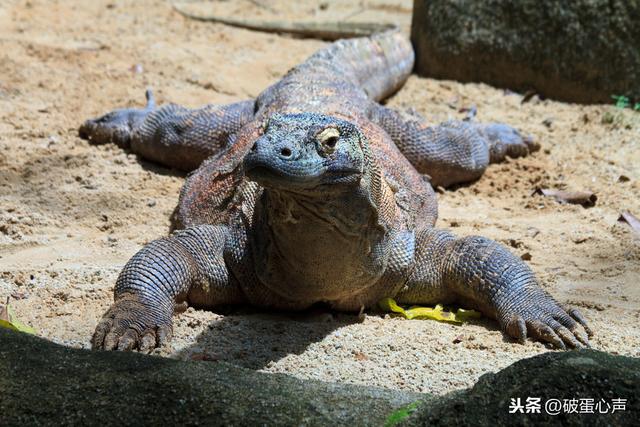
Komodo dragons can eat up to 80% of their weight, which is 'a mouthful in one go,' and it is truly a 'big eater'.
Conclusion
Due to human destruction of the forest and animal hunting, the top predators of this food chain, Komodo dragons, are the first to suffer. Komodo dragons are now threatened with extinction because of habitat and food shortage. We must protect the environment to protect such top predators as the Komodo dragon, so that our children and grandchildren can see this animal exist on our earth.