Why Do Sharks Die If They Stop Swimming?
Fish have an organ called the swim bladder, which they use to regulate their depth in the water. However, sharks do not have swim bladders. What's the deal?
Let’s first understand the characteristics of sharks:
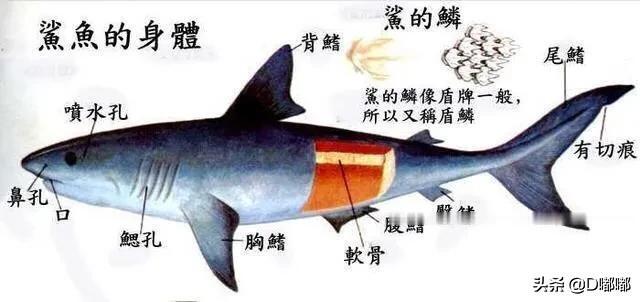
They have a skeleton made entirely of cartilage, their skin is covered in scales (Note: This structure reduces drag, which is why Michael Phelps wore a sharkskin swimsuit and won the gold medal, becoming a hot-selling item), and they have 5-7 pairs of gill slits on the sides of their heads.
They possess excellent adaptability, acute sense of smell, a developed brain, and sharp teeth.
Key point: Because sharks are denser than water, they lack a swim bladder and their caudal fins are not asymmetrical, which negatively affects their swimming speed, so they can only regulate their position in the ocean by storing fat in their bodies.
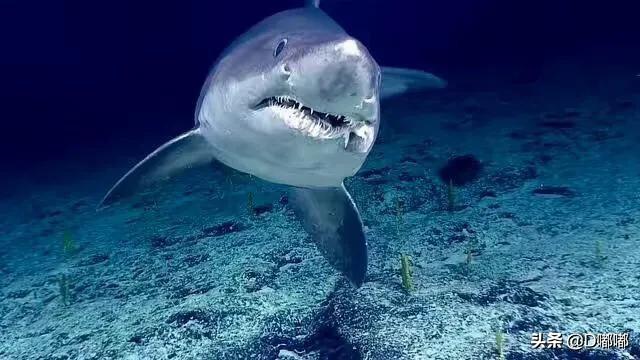
However, this is just a way to control buoyancy. So why do sharks constantly swim?
Unfortunately, shark gill slits cannot open themselves; they must rely on continuous forward water currents to force them open and extract oxygen from the water. If they stop, the consequences are dire, as they will suffocate without oxygen.
If they get caught in a discarded fishing net or are injured and unable to swim, they will die!!!
The question is: Do all sharks stop swimming and die?
Answer: Not necessarily.
Some sharks swim continuously from birth, day and night, whether they are sleeping or awake, until their death. Others, such as the hammerhead shark, lemon shark, and bull shark, can breathe with their gill slits in the water and often reside on the seabed.
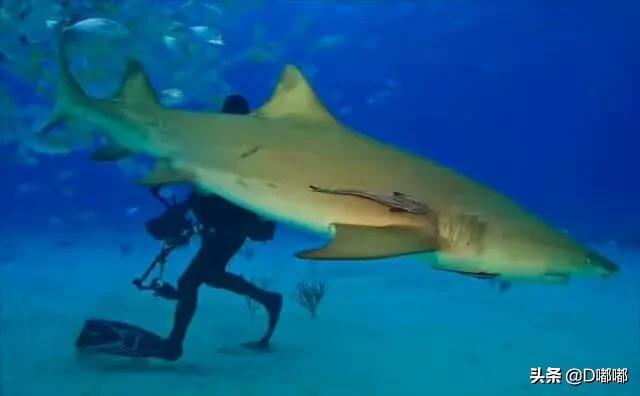
(Although it's a lemon shark, it really doesn't look like one)
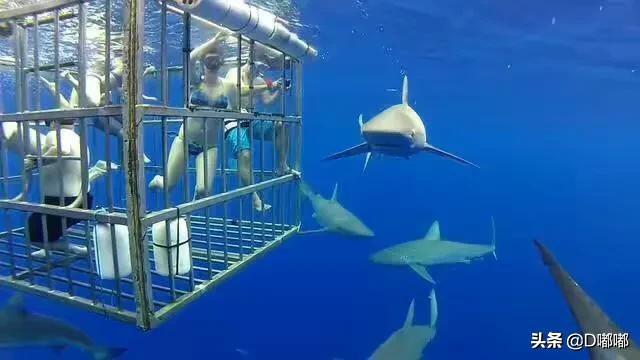
(Thinking about being viewed by humans, I don’t know what I’m thinking!!!)
The editor thinks it’s unfair that sharks have such different fates, because I have spent my entire life swimming. It’s so tiring…