The Relationship Between Cats and Protein: How Much Do You Know? Let Your Little Pets Tell You!
Hello everyone, I'm Potion, a pet content creator. I only provide useful pet content.
Cats' energy source is glucose converted from protein and fat. They eat insects, small birds, rodents and small animals in their natural environment. Their diet is close to zero in starch, vegetables and other carbohydrates. They only ingest the internal organs of their prey.Through ten thousand years of evolution, cats have become beings that sustain themselves entirely with protein and fat, without needing to supplement with carbohydrates (starch, fiber) – this is why cats have extremely high protein needs.
Cats' protein needs are three times greater than dogs' and five to six times greater than humans'.We must always remember: cats are cats, and they are different from us. They are pure carnivores.From a biological perspective, cats' emphasis on protein is somewhat exaggerated. Compared to humans, our energy sources mainly consist of carbohydrates (rice, noodles, sugar), fats (oils) and proteins (meat, milk, eggs) – when any of these are deficient, our bodies will metabolize other nutrients for energy. Dogs are the same – but cats are different!
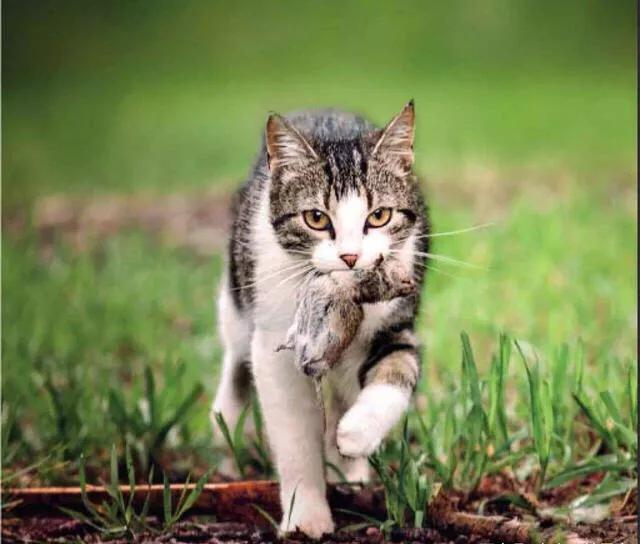
When an omnivore's diet is deficient in protein, it regulates the amino acid metabolic enzymes (transaminases) in the liver, reducing the body's protein metabolism speed.But cats are not the same.No matter what cats eat, their bodies are constantly metabolizing protein. If there is not enough dietary protein, they can only break down their own muscles to obtain protein.
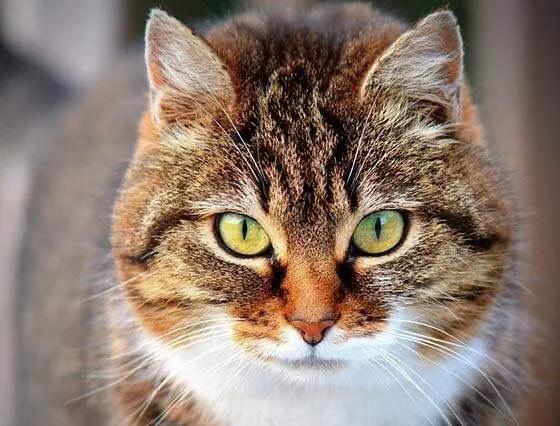
Protein's basic function is to maintain the body's structure, hair, skin, tendons, and muscles – all require protein.
When cats don't get enough protein, they break down their own muscle tissue to supplement the missing protein. So, let's answer a question: How deficient is protein?Before answering this question, let me show you what happens when protein intake is deficient and muscle tissue is broken down:
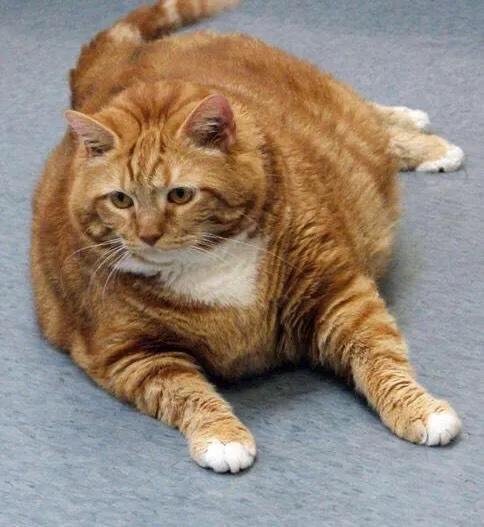
Muscle tissue, or lean body mass, can appear in two states: 'fat cats,' due to long-term high carbohydrate intake and insufficient protein intake, causing poor metabolism and excessive fat accumulation, turning into a ball of fat.
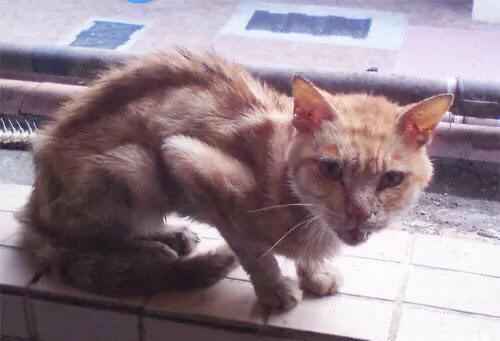
The picture shows an elderly cat who, due to aging, has a declining protein absorption rate and is paired with a diet that is not sufficiently protein-rich, resulting in a skinny cat.
I found a research report in the Cambridge University journal database, led by the Animal Medical School of the University of Utrecht in the Netherlands, comparing and researching past dozens of related studies, and drawing the following conclusions:
The research shows that cats are extremely pure carnivores. Their daily energy intake is 52% from protein, 46% from fat, and only 2% from carbohydrates (NFE) – their intake of minerals and trace elements is also far beyond current nutritional recommendations. This result refreshes our understanding of the cat's metabolism system, and perhaps the standard cat diet should be like this.
Pet parents, what else do you want to know? Follow me, welcome to leave comments in the comments, let's all be better pet owners