Traditional Culture: Animal World in Ancient Chinese Porcelain - 4 - Camel
The camel is known as the 'desert ship' – a mammal. It has a small head, a long and thick neck, and a curved neck like a swan's. The body is tall and the fur is brown. It can endure long periods of hunger and thirst, surviving without water for two weeks and without food for a month. The hump stores fat, which can be broken down into nutrients when food is scarce, providing sustenance for the camel. Additionally, the camel has many bottle-shaped pouches in its stomach to store water. Camels can be used for riding, carrying goods, and pulling carts or plows, making them indispensable companions for people in desert and gobi regions, as well as for geologists and archaeologists. Single-humped camels are mainly distributed in Sudan, Somalia, and India; double-humped camels are found in about half in Australia, and primarily in Xinjiang, Gansu, and Inner Mongolia in China.
The domestication of camels is later than that of sheep, goats, and cattle, although they are less useful in warfare and have a lower reproductive rate and are not adapted to humid environments. However, camels have advantages in camelweight and arid regions. The use of camels in long-distance trade may be the main reason for the domestication of camels. There is evidence that two types of camels were domesticated as early as the beginning of the 19th century BC, with double-humped camels domesticated in Central Asia, and single-humped camels in the Arabian Peninsula, dating back to 3000 BC or earlier.
Currently, domesticated camels in China originated from the Qubaqer Tomb Site in Xinjiang, Luolai County, dating back to around 800 BC, and were confirmed to be present in northern Xinjiang, Western China, during the late Western Zhou Dynasty. Compared to Central Asia, related Chinese archaeological materials are significantly later, combined with existing archaeological and molecular biological research evidence at home and abroad, the origin of Chinese domesticated double-humped camels is likely to have been imported from abroad. Specifically, the entry route may not have been initially in northern Xinjiang, but rather in Inner Mongolia and Gansu regions deserve more attention.
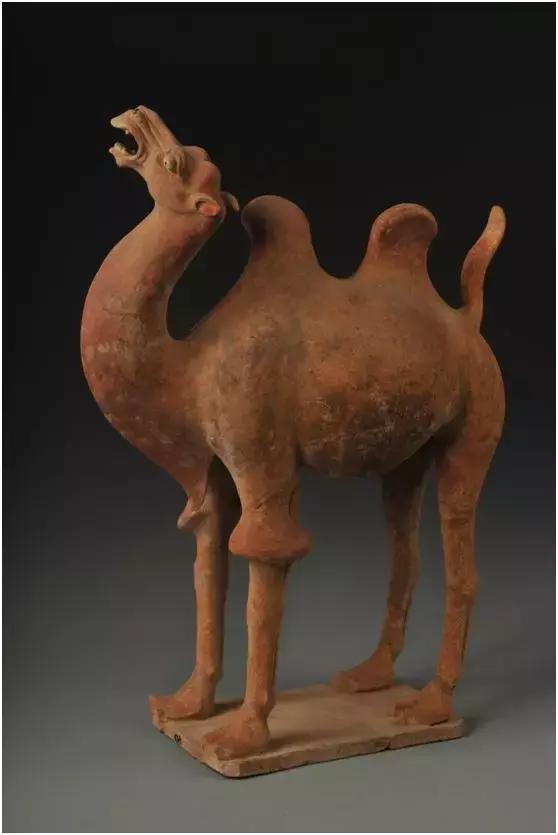
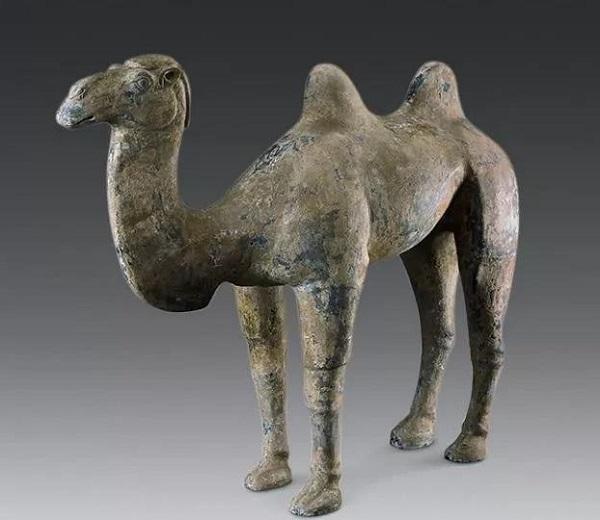
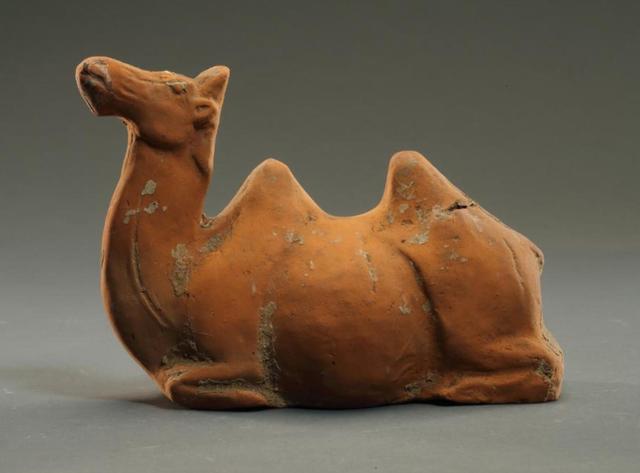
Han gray ceramic camel
Excavated in Xi'an South Suburb
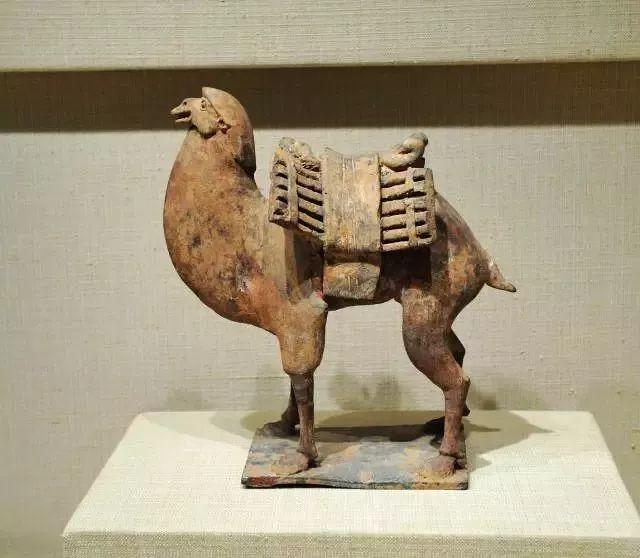
North Wei painted camel
American Metropolitan Museum Collection
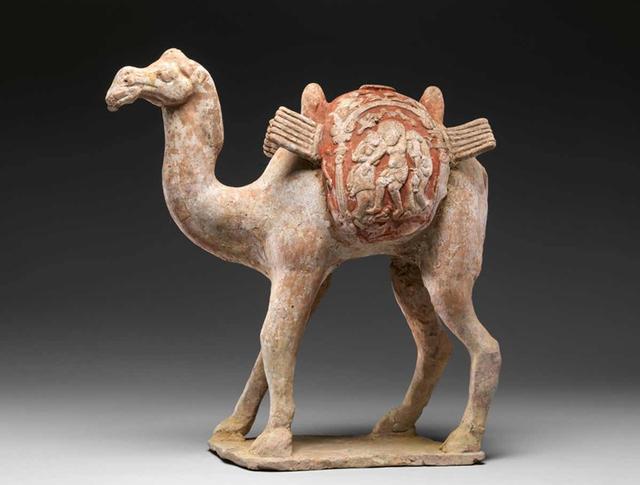
Sui Dynasty painted camel figurine
American New York Metropolitan Museum Collection
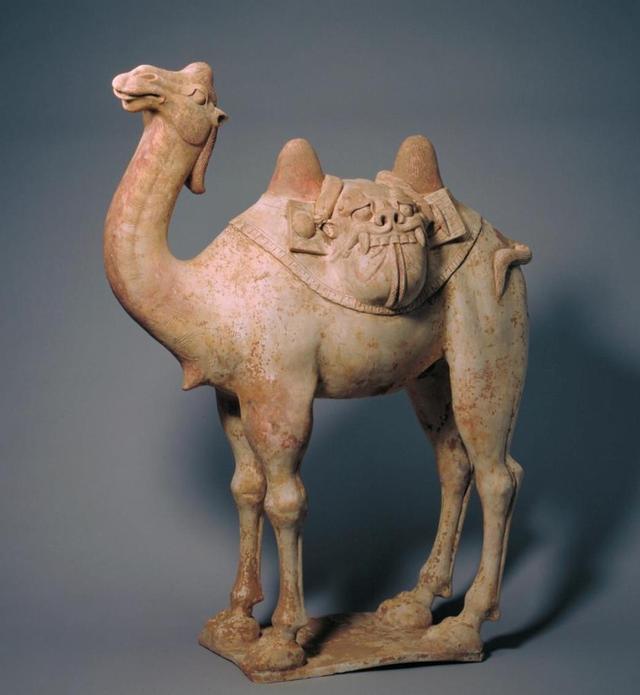
Tang Dynasty painted camel
Beijing Palace Museum Collection
Beijing Palace Museum Collection
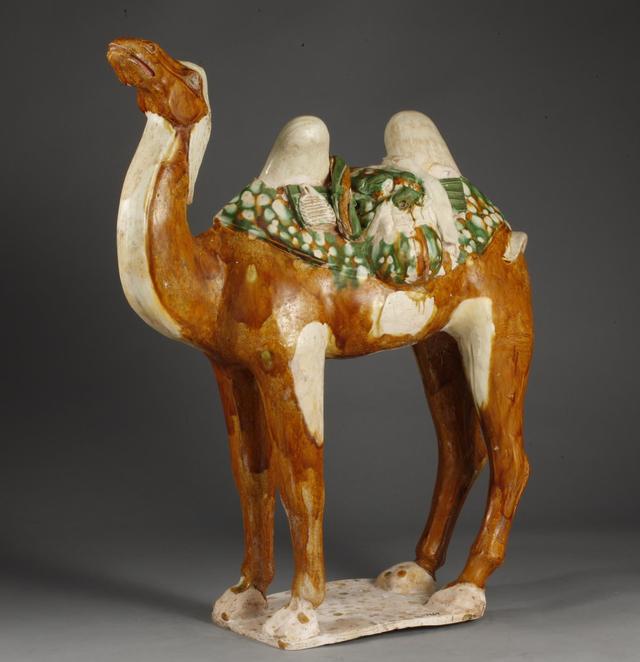
Tang Dynasty three-color camel
Beijing Palace Museum Collection
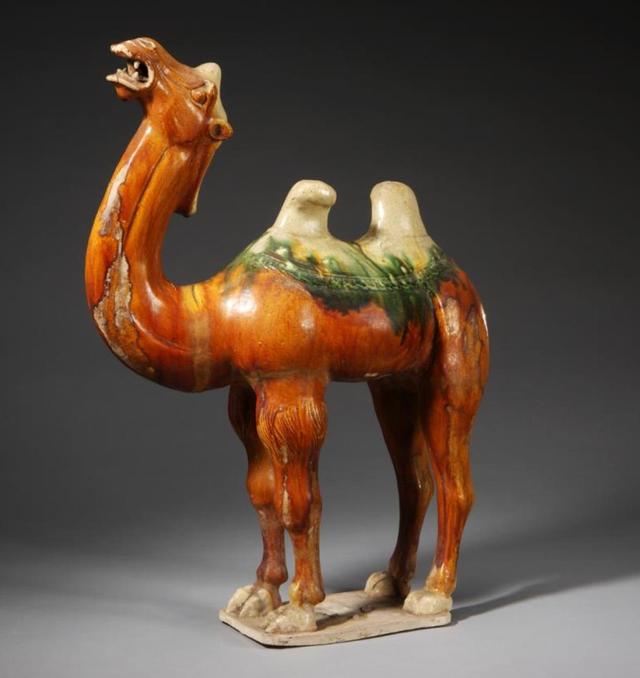
Beijing Palace Museum Collection
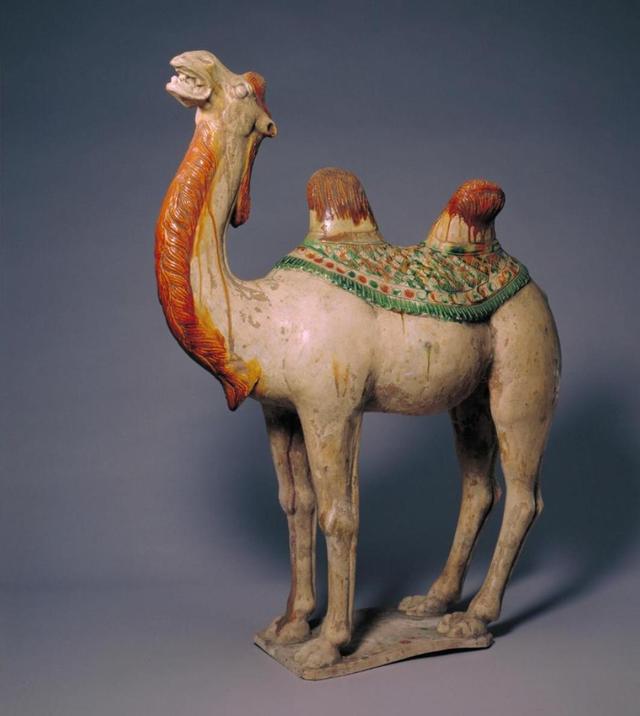
Tang Dynasty three-color carrying camel
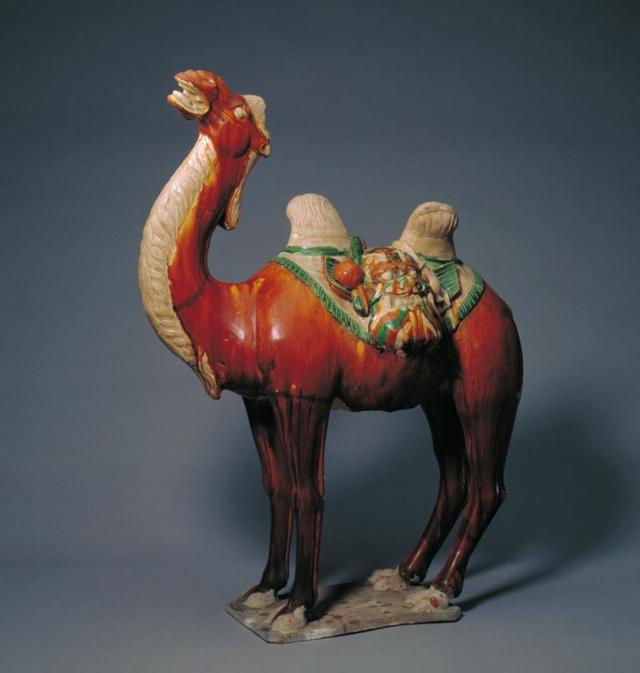
Louyang Museum Collection
Tang Dynasty three-color person-carrying camel
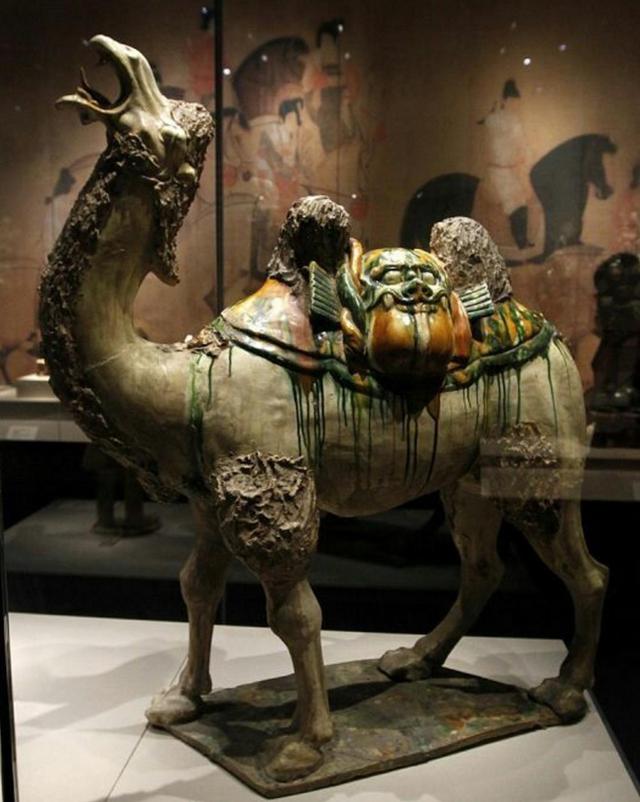
Louyang Museum Collection
Tang Dynasty three-color camel figurine
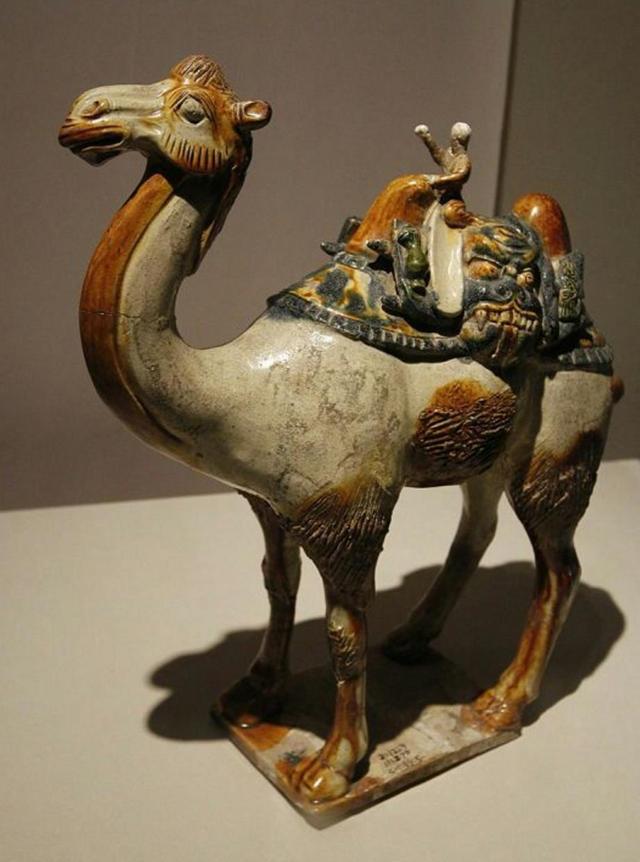
British Museum Collection
Tang Dynasty painted Hu (Persian) camel figurine
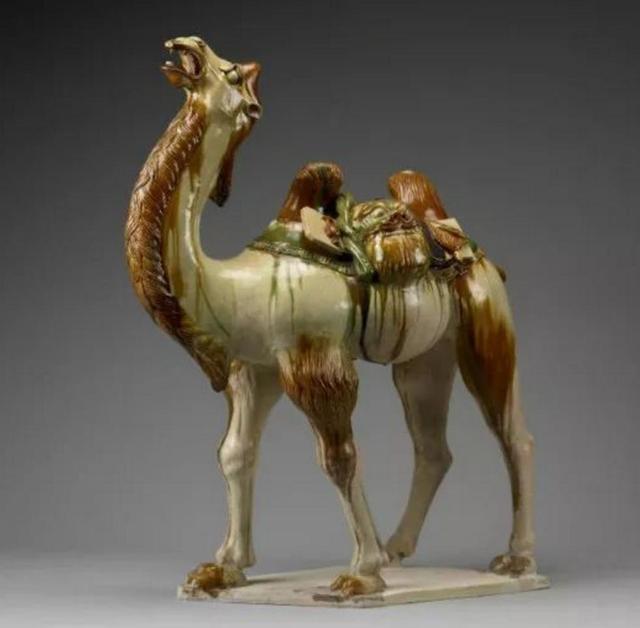
Metropolitan Museum Collection
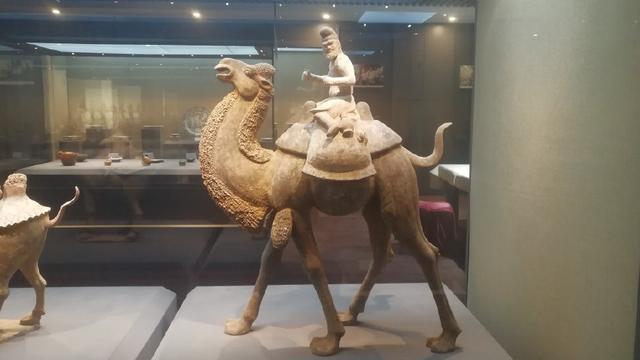
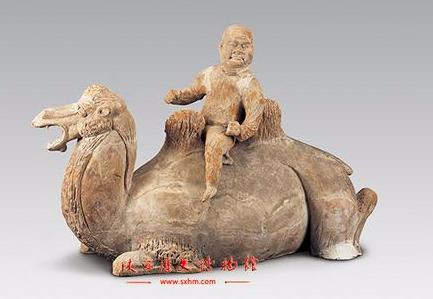
Tang Dynasty painted Hu (Persian) camel figurine with rider
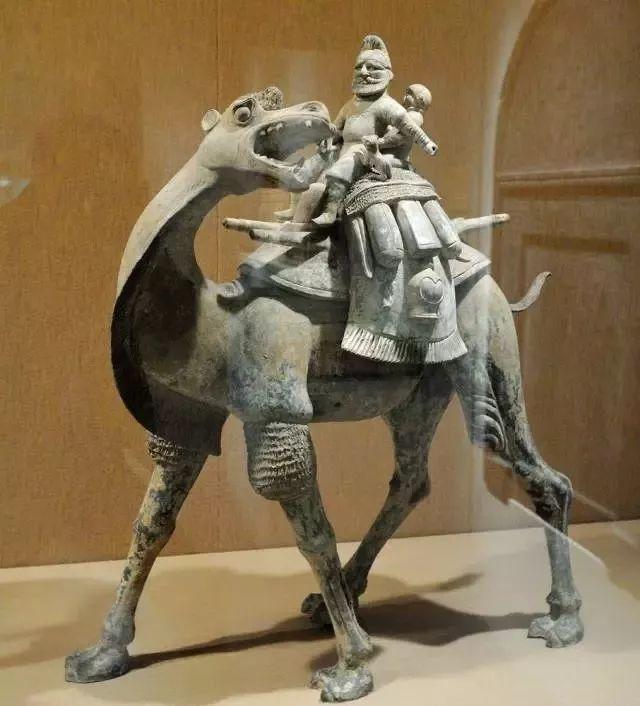
Shaanxi Provincial Museum Collection
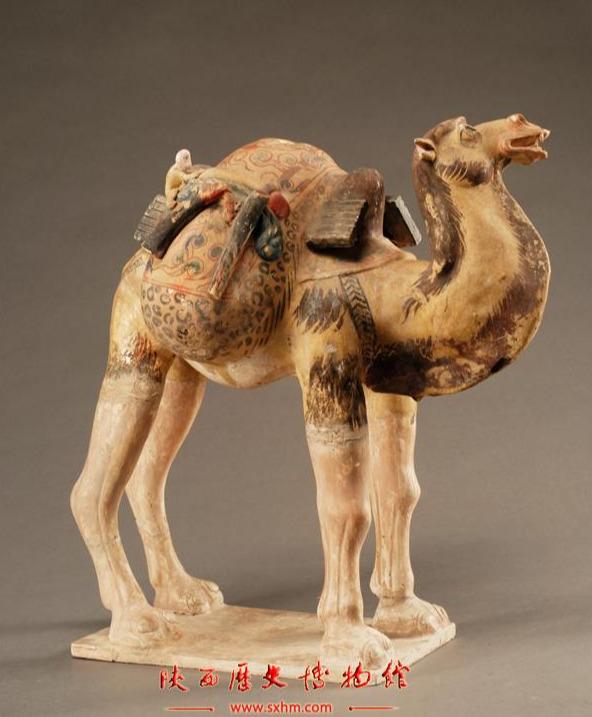
Tang Dynasty carrying camel figurine
Shaanxi Provincial Museum Collection
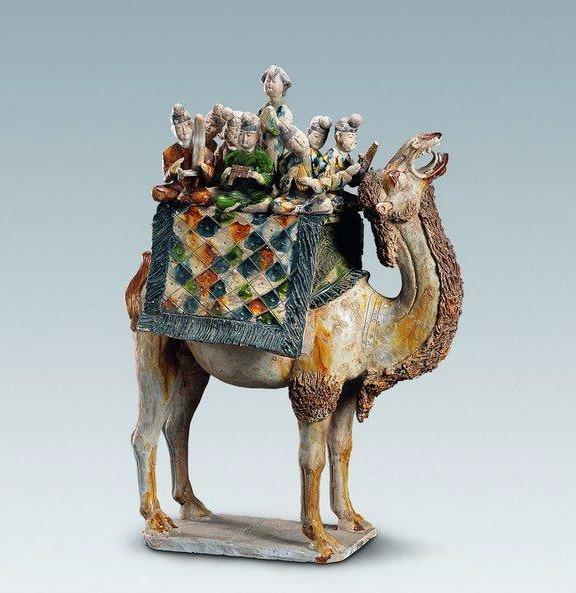
Tang Dynasty three-color musical instrument-carrying camel figurine
Shaanxi Provincial Museum Collection
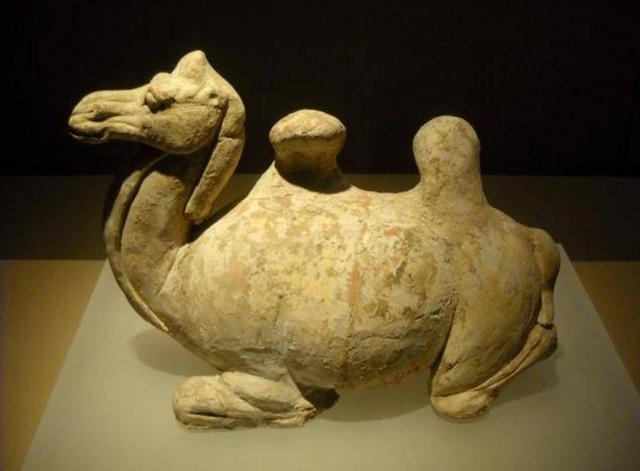
Tang Dynasty painted reclining camel figurine
Xuzhou Imperial Seal Museum Collection
Tang Dynasty
Painted gray ceramic Hu (Persian) camel figurine with a rider – 'Carrying the Banner'
Great Ming Palace Ceramic Art Museum Collection
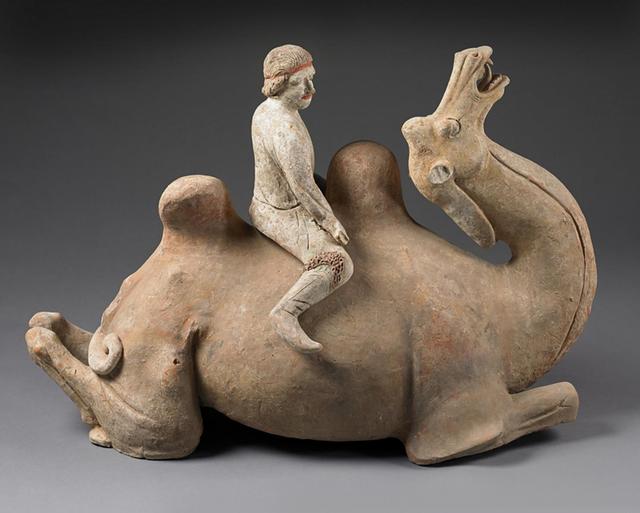
Tang Dynasty coiled-foot reclining camel
Great Ming Palace Ceramic Art Museum Collection
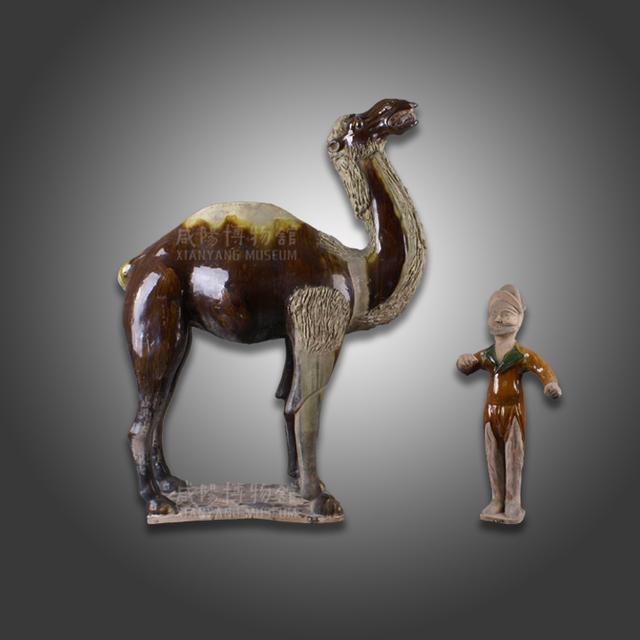
Tang Dynasty red clay camel figurine dragging a package
Xuzhou Imperial Seal Museum Collection
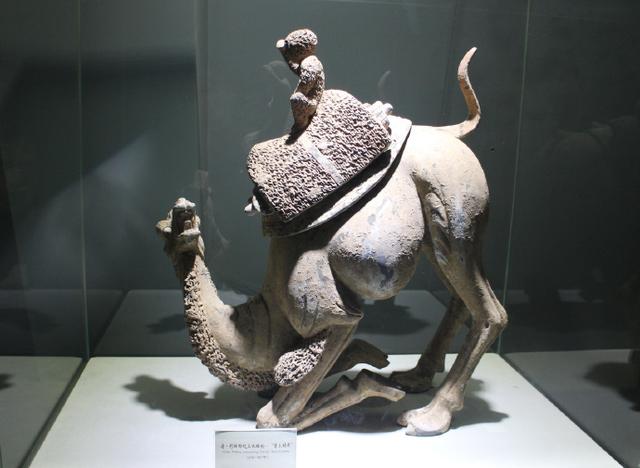
Tang Dynasty
Painted gray ceramic Hu (Persian) camel figurine
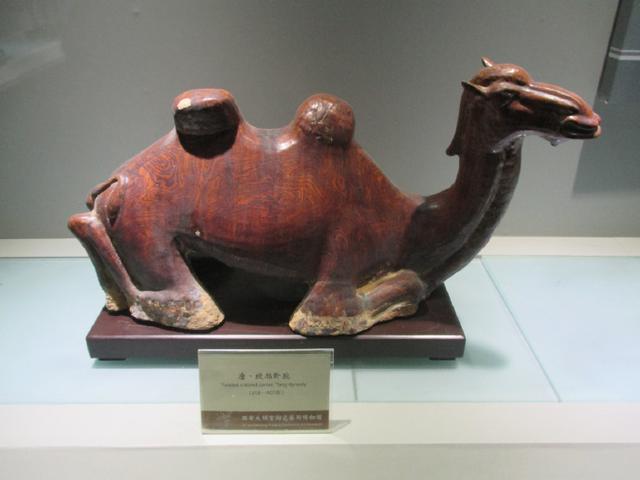
Qingcheng Museum Collection
Tang Dynasty Hu (Persian) camel figurine
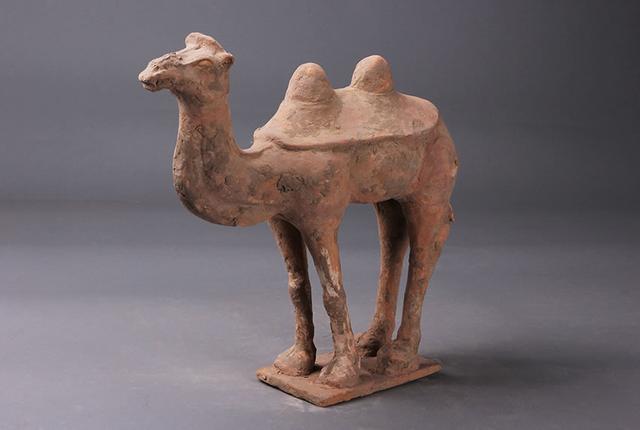
Xinwu Nine Source Ancient Ceramic Museum Collection
Tang Dynasty three-color camelShenzhen Museum Collection
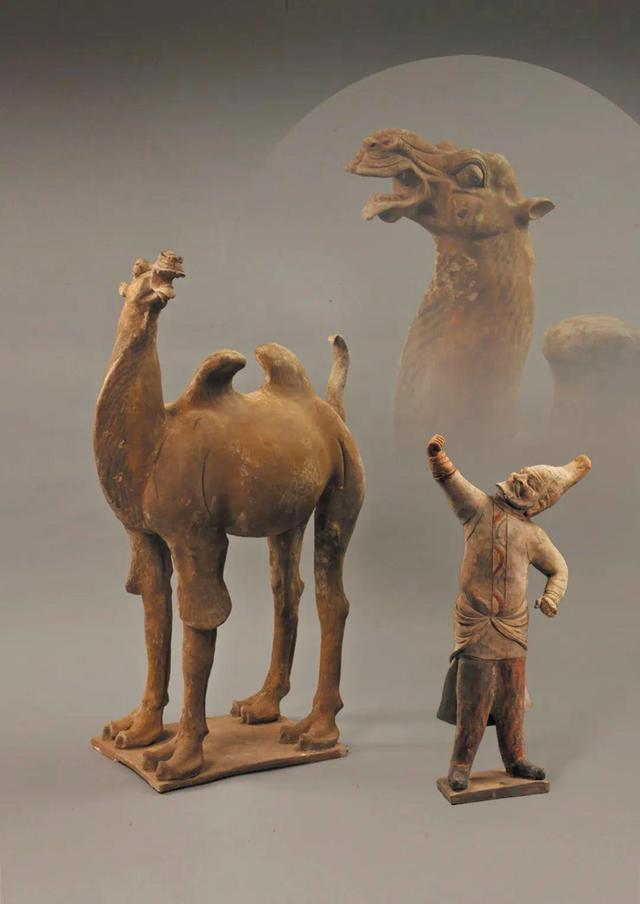
Tang Dynasty painted Hu (Persian) camel figurine
Gansu Provincial Museum Collection