Burn Scars on Wildlife, a Long Road to Recovery in Australian Wild Animals
Australian Nature Picture Library Doug Gimesy
Once full of wildlife and bird calls, the eucalyptus plantations had fallen silent, the air filled with smoke and the smell of decay... The silence was deafening, the earth brittle like sand.
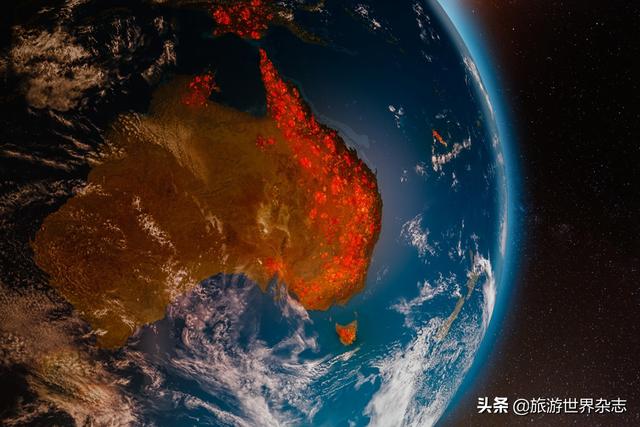
For nearly six months, Australia has experienced the driest and hottest conditions on record, with record-breaking temperatures and months of severe drought creating ideal conditions for so-called ‘bushfires,’ turning vast swathes of southeastern land into disaster zones, tugging at the heartstrings of people around the world. To date, the fires have burned 12 million hectares (approximately the size of England). Worse still, many of the fires remain burning, with meteorologists warning that hot weather and higher fire danger will continue until the end of the drought. According to local ecologists, more than 80 million animals have been affected in New South Wales alone. If Victoria and South Australia are included, the number will rise to over ten billion.
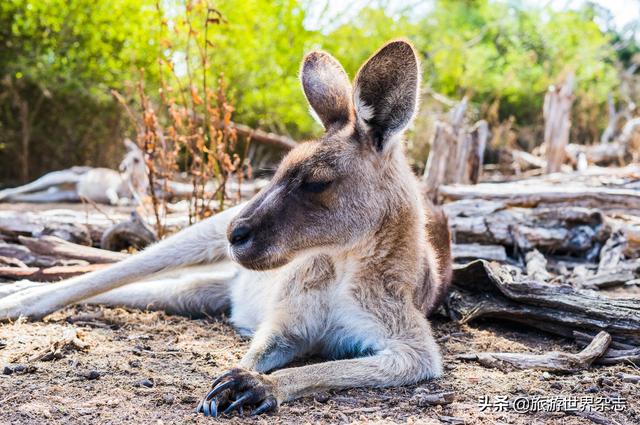
However, it is currently impossible to determine how many animals have perished, and it will only be known in full once the smoke has cleared, but it is no doubt going to be a disaster. Australia is already one of the countries with the highest rate of species extinction to date.
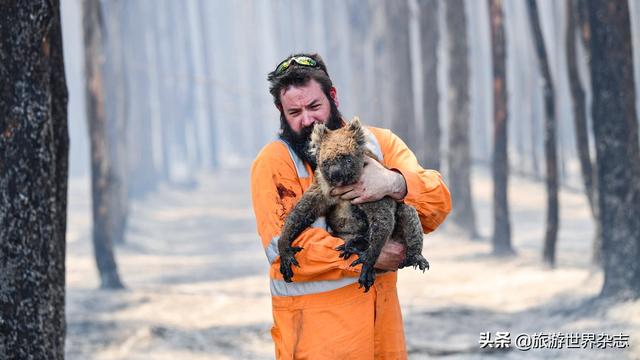
The fire is not friendly to Australia's iconic marsupials. A refuge for the endangered koala, it is now believed that at least 25,000 have died, representing half of the total koala population. This is a devastating blow to the species' survival.
Even for animals that have survived the fires, the nightmare is far from over. Habitats have been so drastically reduced that these poor animals will find it difficult to find food and shelter in the foreseeable future.
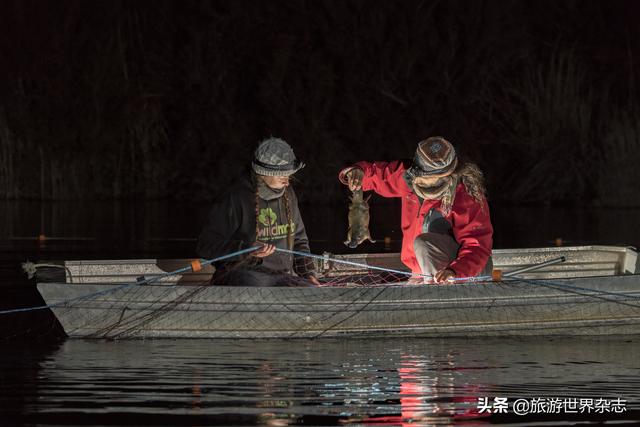
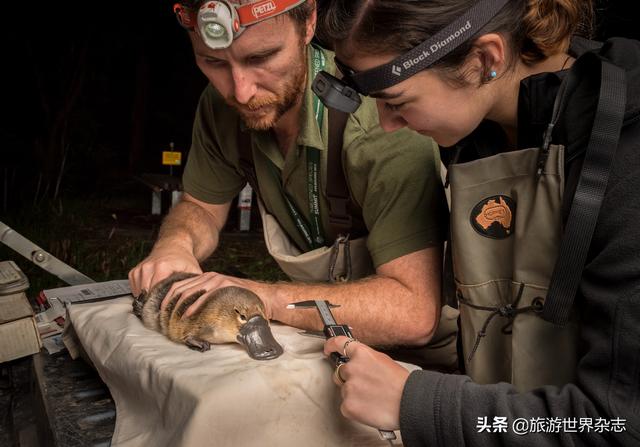
Two researchers were entering the Snowy River in central New South Wales, collecting duck-billed platypuses from nets they had set up several hours earlier
But as the number of Australian animal deaths soared, heartwarming stories about animal survival and rescue continued to emerge. Brave wildlife rescuers from all over Australia and overseas were gathering at the affected areas, providing assistance.
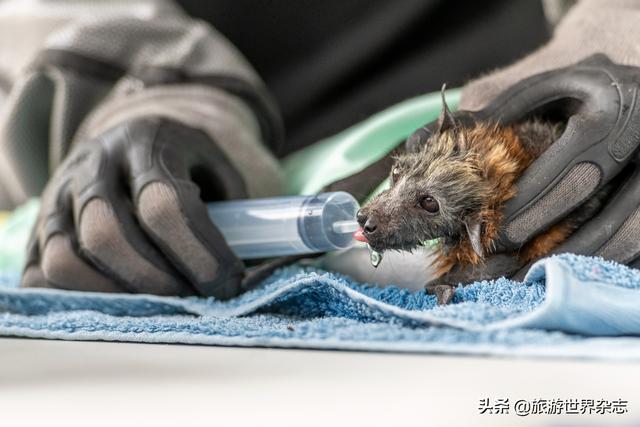
Veterinarian Sarah Frith from Melbourne Zoo is providing cooling liquids to koalas suffering from the fires.
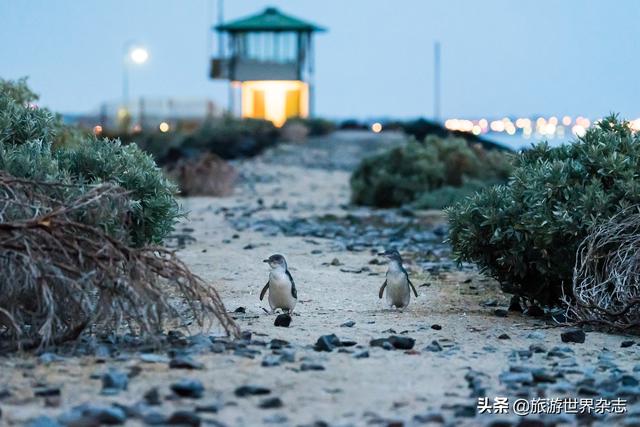
Little penguins are sighted in the coasts of South Australia and New Zealand, Chile. The picture shows two little penguins foraging in the sea and walking along the top of the breakwater towards the cave.
As more ‘wounds’ are rescued, wildlife sanctuaries quickly reached their capacity to accommodate. To save as many animals as possible, houses, schools, and public halls became temporary wildlife hospitals. Many ‘patients’ are recovering well and returning to the wild, but many animals need emergency veterinary care or euthanasia.
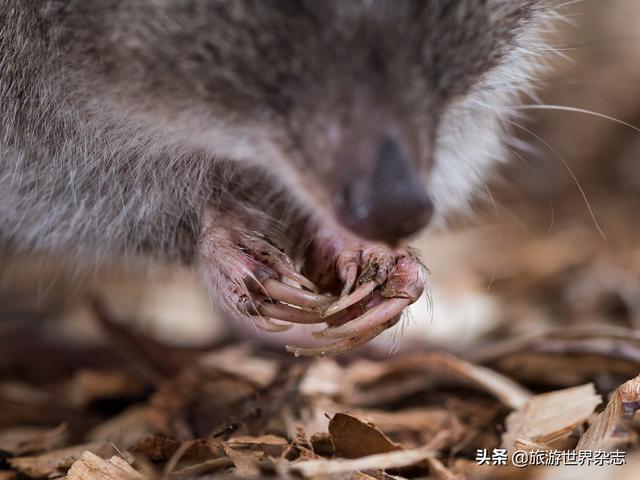
The picture shows a close-up of a Australian long-nosed kangaroo's sharp curved claws, its claws are constructed to facilitate digging food from the forest.
The land has turned black, with millions of hectares disappearing in weeks. Wildlife numbers have plummeted. Burn scars will take years to heal. But Australian wildlife is recovering, and a new landscape is emerging – young blades of grass and fungi are sprouting through the ash, ready to nurture new life.
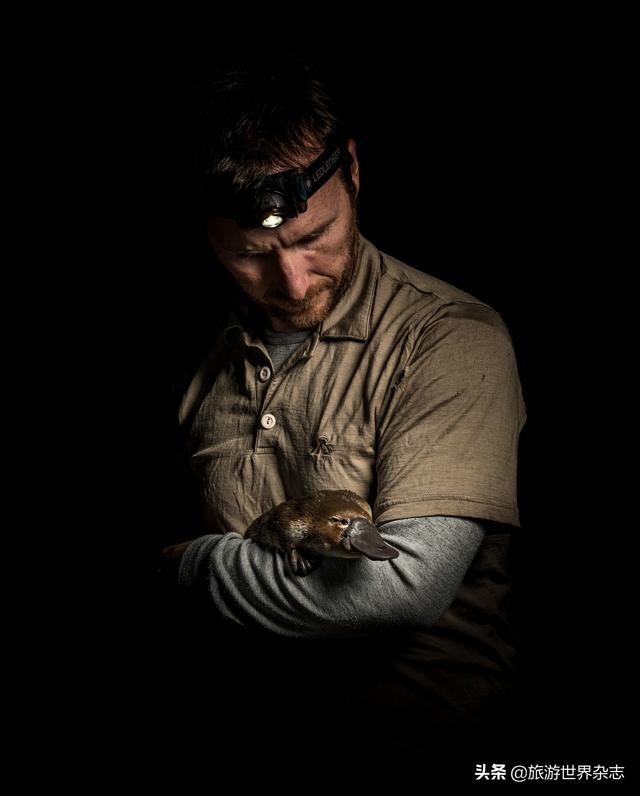
Researchers are holding a young female duck-billed platypus, preparing to release it back into the stream. Taken in Victoria, Australia, Woorthern.
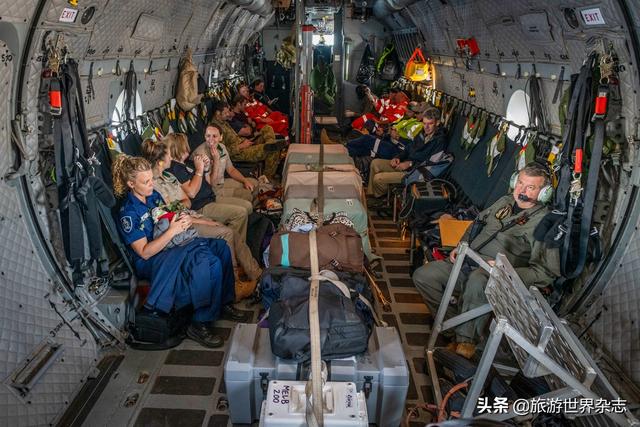
The picture shows an Australian Royal Air Force (RAAF) C-27J Spartan transport aircraft transporting six koalas burned in the bushfires.
We have reason to believe that soon this temporarily charred land will regain its lush greenery, and the animals, shocked by the fire, will still be full of life.