Heilongjiang Province Hosts Over 350 Migratory Bird Species, Accounting for More Than Half of National Numbers

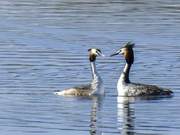
As the northern returns to spring, bird species such as the Oriental white stork have begun their northward migration. Reporters from the Provincial Forest and Grassland Bureau informed that my province’s migratory birds amount to about 350 species, accounting for more than half of the national migratory bird species. With the return of the Oriental white stork, the birds have begun their successive northward journey.
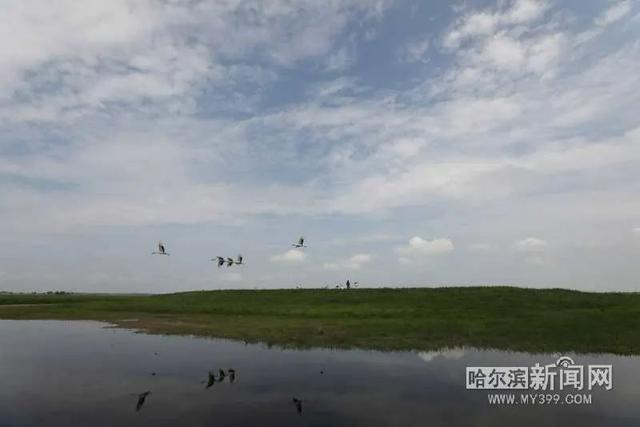
My province can now observe the migrating Oriental white storks, which have successively returned to the Sanjiang Plain for breeding, starting their pairing, nesting, hatching, and raising young life stages. Meanwhile, the Chinese fall sand duck arrives in Heilongjiang and Jilin in the spring, returning to the streams it rested on last year, returning to the tree holes beside the streams, and beginning a new round of life gestation; White spoonbills prefer to breed in Northeast wetlands, and a breeding group of over 500 white spoonbills gathers in the Seven Star River Natural Protection Zone in Heilongjiang; Cranes fly to Zhalong Natural Protection Zone and Sanjiang Plain breeding grounds, performing eternal love stories; White Storks, also known as ‘nun birds’, have major breeding grounds in the Dazhan River Natural Protection Zone and the New Qingbai Head Wild Duck Nature Reserve, both of which have been named ‘China’s White Stork Hometown’.
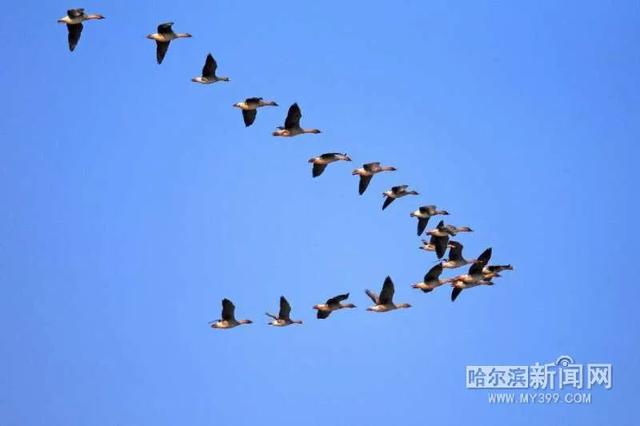
Reporters from the Provincial Forest and Grassland Bureau learned that during the period of migratory bird concentration, in order to popularize bird protection knowledge for citizens, on March 24th, the Heilongjiang Provincial Natural Education Classroom went online with the ‘Migration of Birds’ special course—interpreting bird knowledge, paying attention to bird resources, and calling for bird protection and love. Heilongjiang Province is vast in area, with mountains surrounding water, west to the Daxinganling Mountains, north to the Lesser Daxinganling Mountains, east to the Changbai Mountains, and the central part is the Northeast Plain, opening south, and surrounding the Heihe River, Ussuri River, and Liao River. It is also located in a suitable latitude belt in the Northern Hemisphere, with abundant topography, landforms, climate, water system, vegetation, and biology. The abundant forest and wetland resources are ideal places for migratory birds to reside and reproduce.
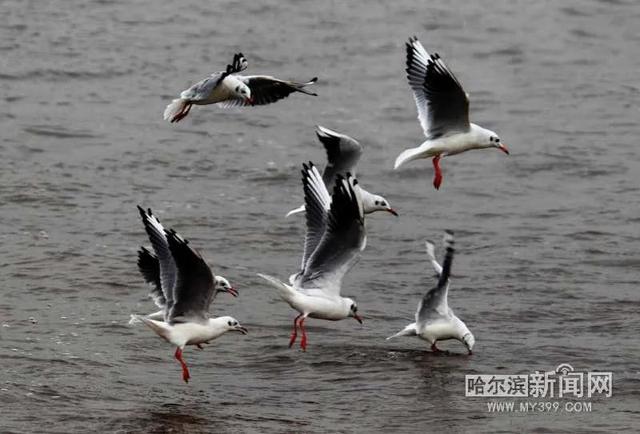
Provincial forestry and grassland departments’ data show that Heilongjiang Province’s migratory birds amount to about 350 species, accounting for more than half of the national migratory bird species, including well-known ducks such as the great duck, the wild goose, the Oriental white stork, the Chinese fall sand duck, the crane, the white head, and the frog; and they have their own habits and features and different migration routes, stopping points, and breeding grounds. Migratory birds migrate regularly between breeding grounds and wintering grounds in spring and autumn. According to the time when migratory birds appear in different regions, they can be divided into four types: winter migratory birds, summer migratory birds, transient birds, and drifting birds.
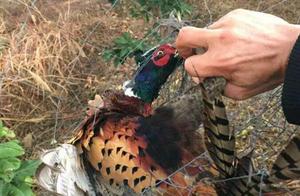
During the migratory bird season, the forest and grassland departments of Heilongjiang, Jilin, and Inner Mongolia jointly established a coordination mechanism for strengthening the protection of migratory birds, jointly established the ‘Migratory Bird Protection Coordination Leading Group’, formed a coordinated protection mechanism, and worked together to build a safe channel for migratory birds, and realized the interconnection between regions, and severely cracked down on illegal hunting, destruction of birds, and other illegal crimes, ensuring the safety of migratory bird migration and breeding.

Let us wish every bird and support ten million birds to build a forever peaceful blue sky.
Source: Harbin News Network
Wang Shan, Reporter: Wang Xina