North American Copperhead Snakes: Predatory Hunters!
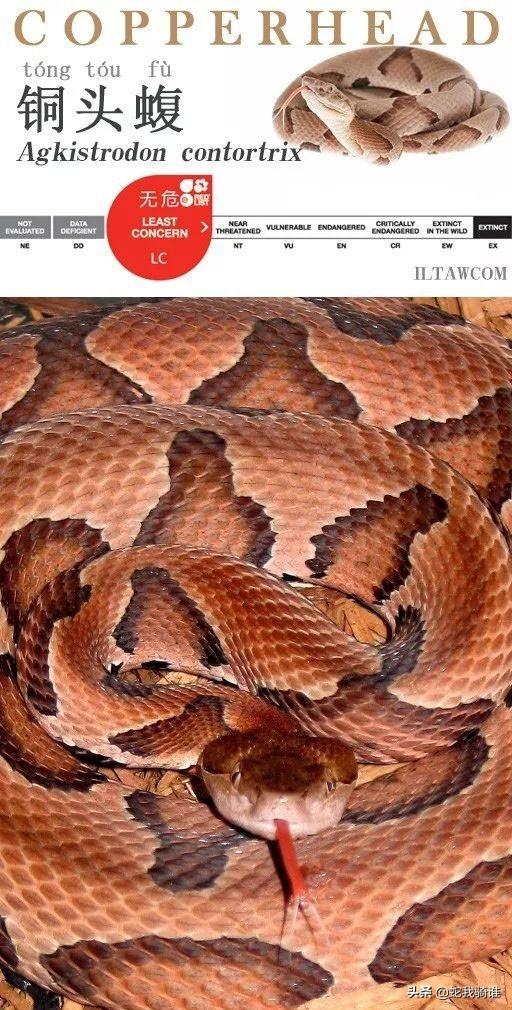
Copperhead snake is a venomous snake of the viper family, widely distributed in North America. It rarely attacks humans, but when it feels a clear threat, the copperhead snake will bite without hesitation.
Kingdom: Animalia
Phylum: Chordata
Class: Reptilia
Order: Squamata
Family: Viperidae
Genus: Crotalus
Species: Copperhead
Currently, 5 subspecies have been confirmed
Southern Copperhead
A. c. contortrix
Northern Copperhead
A. c. mokasen
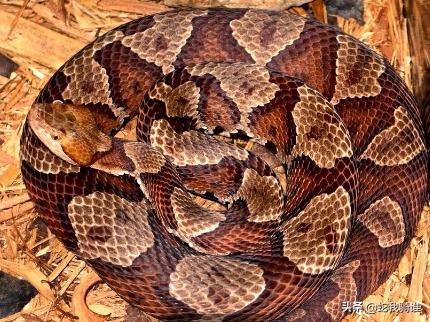
Broad-banded Copperhead
A. c. laticinctus
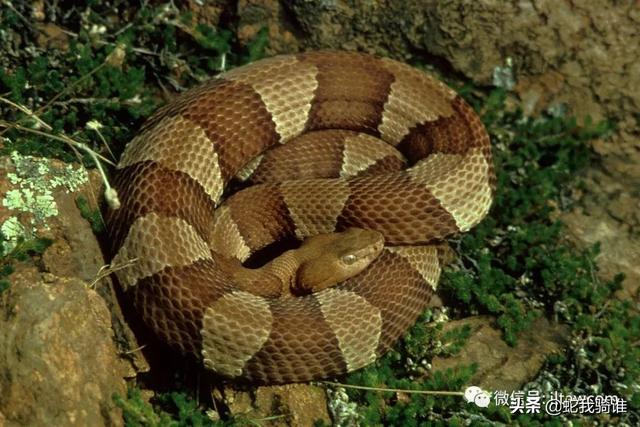
Ocelot Copperhead
A. c. phaeogaster
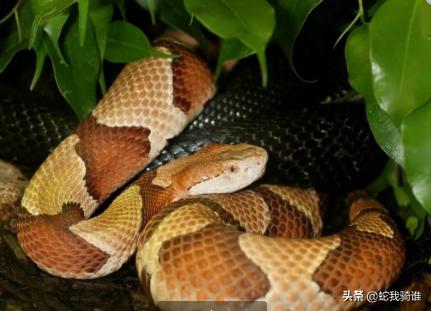
Cross-peaked Copperhead
A. c. pictigaster
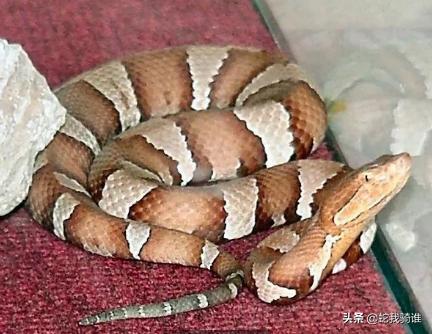
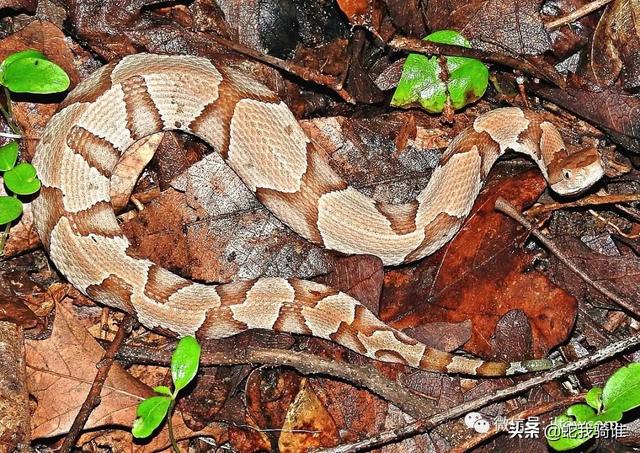
Copperhead

Adult copperheads typically range from 50-95 cm in length. The longest copperhead snake on record is a northern copperhead, with a body length of 132.6 cm. Male copperheads are generally more robust than females.
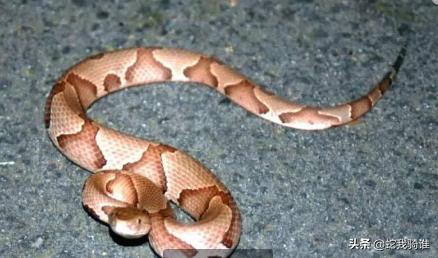
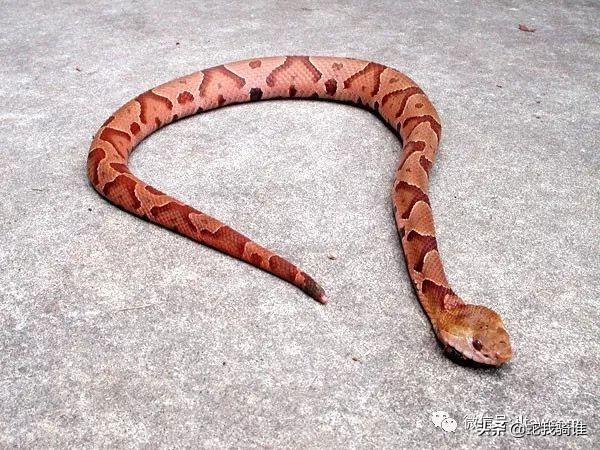
Copperhead snake to human proportion reference
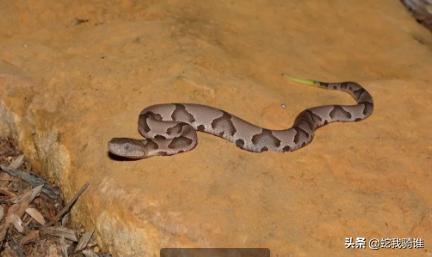
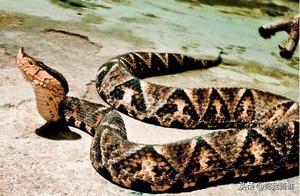
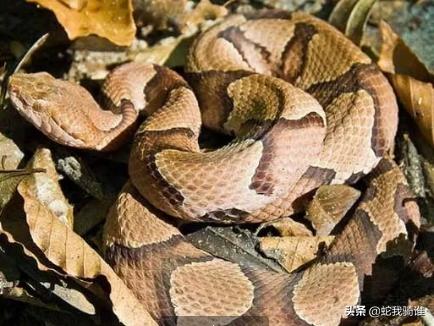
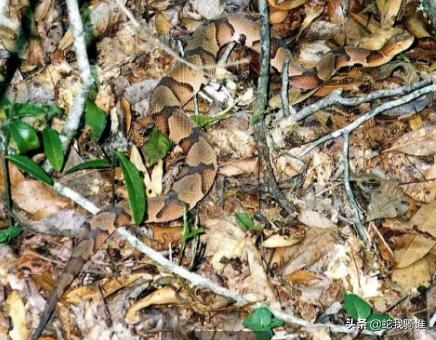
Copperhead snakes are robust in body, in terms of color, copperheads typically have a yellow-brown, light pink base color, with darker colors on the sides and 10 to 18 broad transverse bands. Generally, copperhead snakes are more light-colored. Their patterns do not extend to the abdomen, and the abdominal color is essentially the same as the base color, or slightly whiter. There is a brown transverse band at the tail end of the copperhead's tail, with 1 to 2 bands
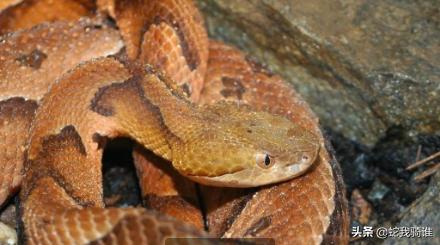
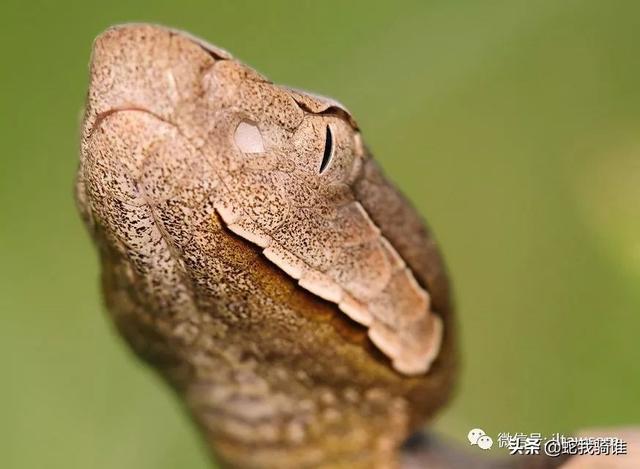
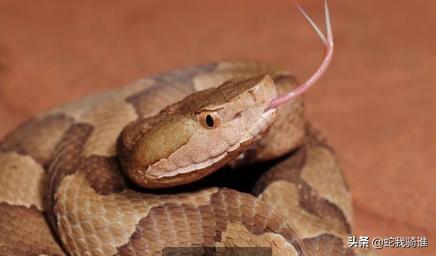
The tail texture of juvenile snakes is more obvious, and the tail end is yellow. There are usually no markings on the crown, only two small black spots approximately at the midline of the skull's roof plate. There is a blurred line pattern on the outer edge of the eye.
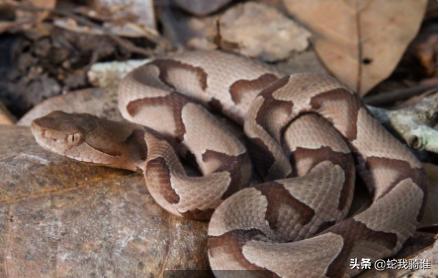
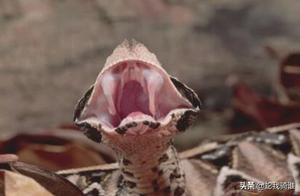
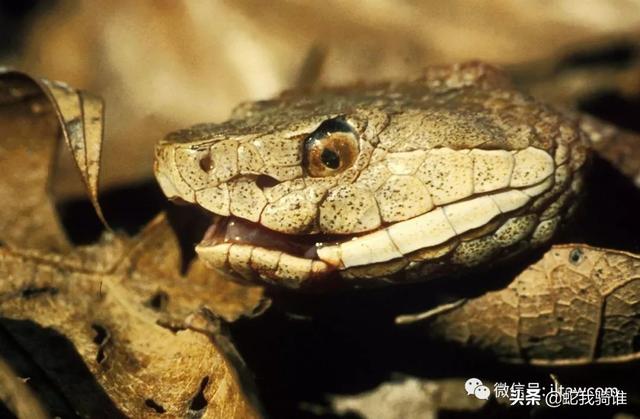
The head is broad, with a clear distinction from the neck. The tip of the nose extends back beyond the upper lip position, and the part above the upper jaw is more prominent than the part below the lower jaw, so the nose-to-lip front end is sharper.
In terms of scale structure, the back scales of the copperhead snake are approximately 21 to 25 rows, and the abdominal scales are about 138 to 157 rows. The scales on the lower side of male snakes are about 28 to 62 rows, while female snakes are 37 to 57 rows.
There are 9 large flat scales on the copperhead's crown, and 6 to 10 upper lip scales and 8 to 13 lower lip scales.
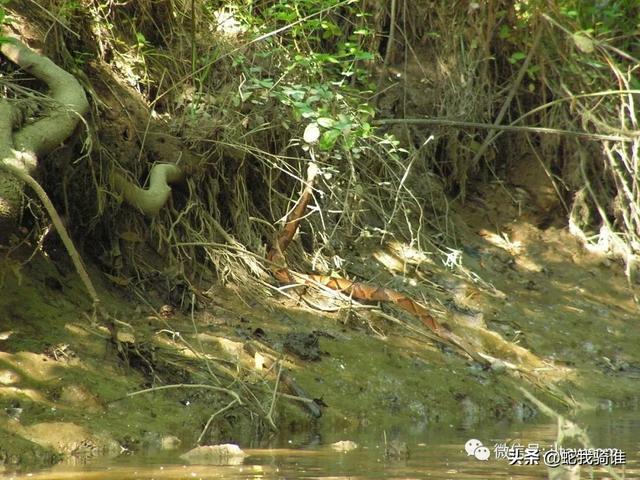
Copperhead snakes can inhabit various environments. In the deciduous and woodland areas of North America, they often appear. They can also be found in rocky terrain or humid environments. In the Balearic Islands, copperhead snakes can also be found in temperate pine forests. In the western Texas and northern Mexico Chihuahua Desert riparian areas, copperheads can be found in rivers or dried-up creeks.
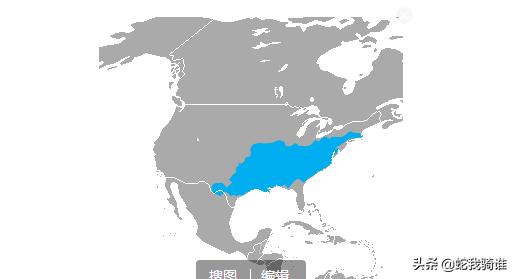
Copperhead snakes mainly distribute in the United States, including Texas, Oklahoma, Kansas, Missouri, Arkansas, Louisiana, Mississippi, Alabama, Georgia, Florida, South Carolina, North Carolina, Tennessee, Kentucky, Virginia, West Virginia, Illinois, Indiana, Ohio, Iowa, Pennsylvania, Maryland, New Jersey, Delaware, New York, Connecticut, Massachusetts and New Hampshire. They also appear in Mexico's Chihuahua and Coahuila states.
Copperhead snakes are ambush hunters. When hunting, they find a favorable position and wait for prey to come within range. In the summer, copperheads are more active at night, and in spring or cold weather, they are more active during the day.
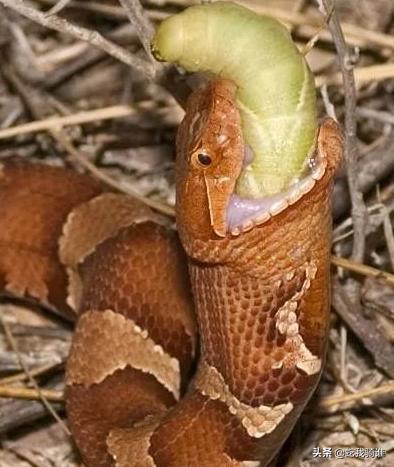
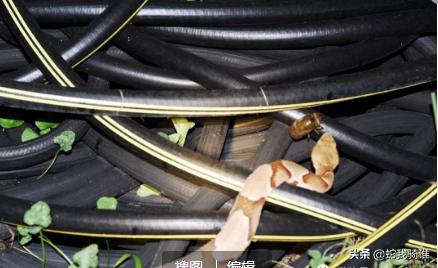
About 90% of copperheads feed on small rodents, and they also prey on large insects and frogs. In addition, although copperhead snakes are terrestrial snakes, they can climb tree trunks to feed on young birds.
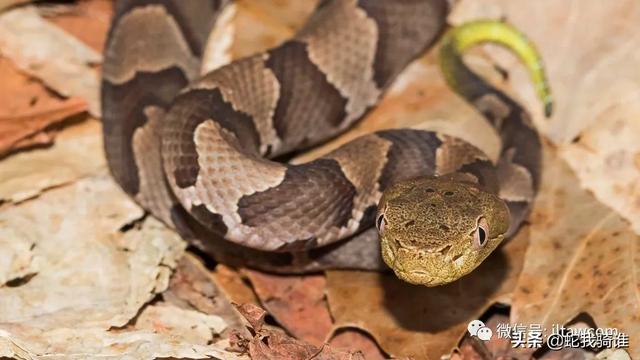
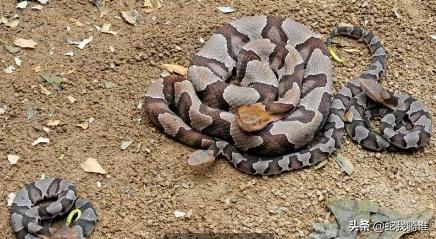
The comparison between juvenile and adult snakes
Copperhead snakes are viviparous snakes, and they often reproduce in summer, but sometimes female copperheads carry over for many years before giving birth to a crop of young snakes, rather than giving birth to all their offspring at once.
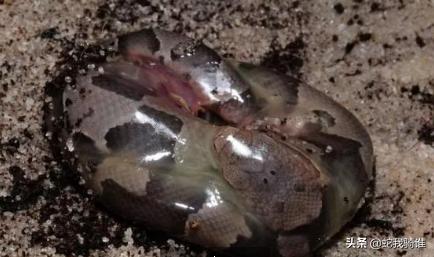
They can produce 4 to 7 young snakes, with a body length of about 20 cm. The young snakes are similar in color to adults, but slightly lighter, with yellow markings at the end of the tail, which are used to camouflage small insects or crustaceans, to lure lizards and frogs, and then prey on them.
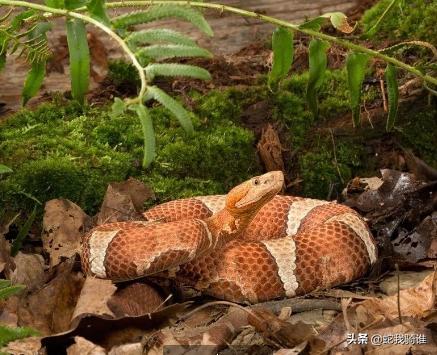
Copperhead snakes tend to avoid humans. If they encounter humans, they will usually escape rather than attacking. However, they will not immediately flee, but will remain in place and observe the movements of their opponents, but they are good at hiding (often hiding among fallen leaves), so many people don't realize the presence of a copperhead snake because they step on it unknowingly.
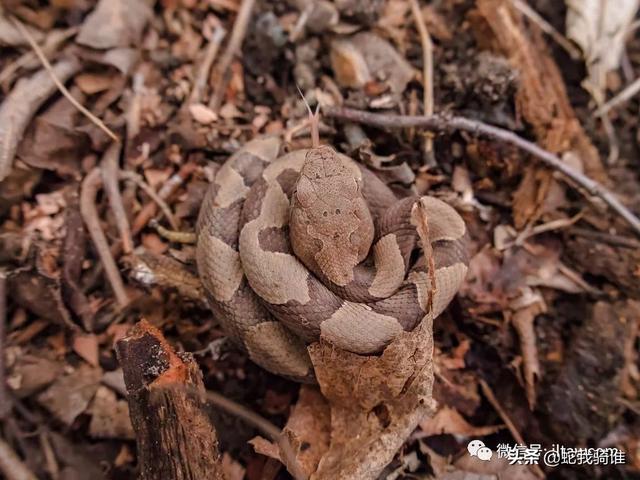
Generally, even if a human approaches, copperhead snakes will not bite easily, but when there is direct contact, copperhead snakes will bite without hesitation.
Although copperhead snakes are venomous snakes, humans rarely have a fatal record of being bitten. The venom of a copperhead snake requires about 100 mg to be fatal, and in some toxicity tests, the venom of copperhead snakes is shown to be weaker.
Copperhead snakes may only use 'warning' bites when they are harassed by humans. The bite caused by such a bite may only inject a small amount of venom, and sometimes they use 'non-toxic bite (dry bite)' to scare off the enemy rather than taking their lives. In fact, all vipers can make dry bites, the key is whether this viper will choose to do so.
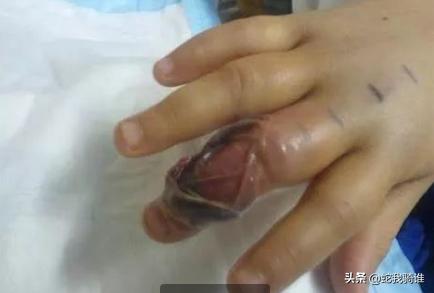
The damage caused by a copperhead bite
Copperhead snake venom causes pain, numbness, convulsions, swelling and severe nausea, and also damages muscle and bone tissue. If bitten in areas with weak muscles (such as the palms of the hands or soles of the feet), muscles will suffer from lack of muscle strength, leading to muscle necrosis.
Although some antivenoms can effectively suppress copperhead snake venom, it is generally not recommended to use this method to treat copperhead snake bites. Because in many cases, the patient's allergic symptoms pose a greater risk than the venom of the copperhead snake.