Treasured Korean Dog Breed, Once Featured in Olympic Opening Ceremonies – The Jindo Dog
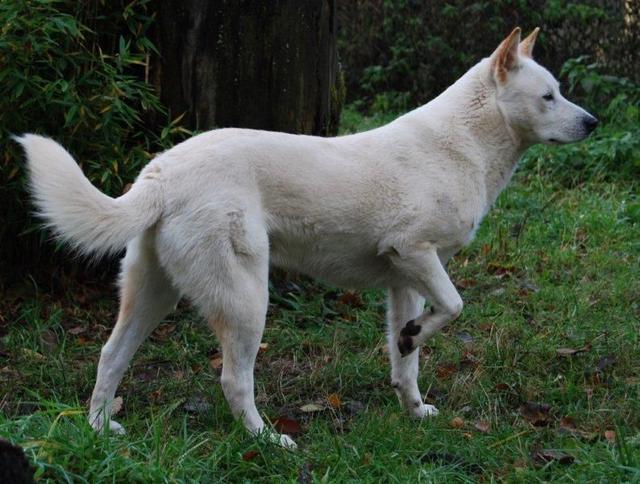
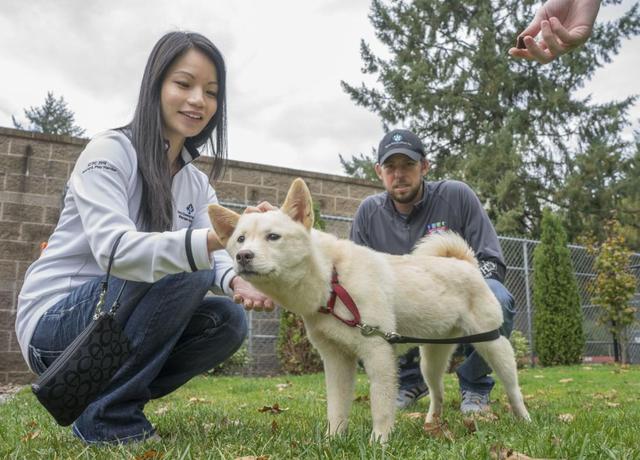
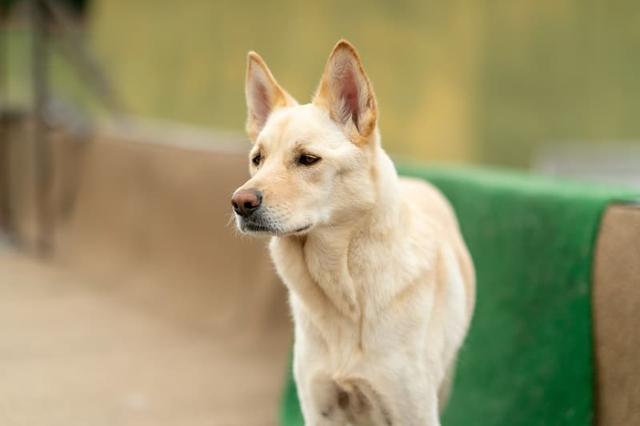
Korean Jindo dogs are medium-sized fox-like dogs. The fox-like dog refers to a group of dogs with similar characteristics, which typically have double-layered fur, a wedge-shaped head, erect triangular ears, and a tail that is always curled along the back. Spitz dogs are a common breed in cold, snowy areas. Korean Jindo dogs are a natural breed that developed naturally without excessive human manipulation. Korean Jindo dogs come in various colors, including red, white, black, brown, gray, and spotted patterns.
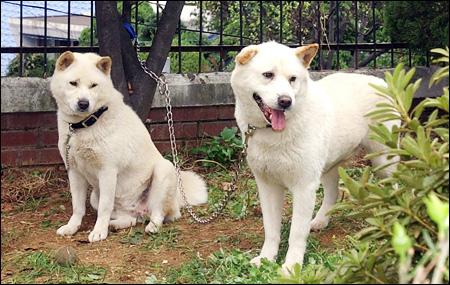
For novice owners, Jindo dogs are generally not a good choice, and those with no prior experience living with them will be very challenging. However, when they live with the right people, you can feel their loyalty, excellent protective abilities, and they can be excellent guard dogs. They are calm, clean, and well-behaved, making them suitable for raising as family dogs.
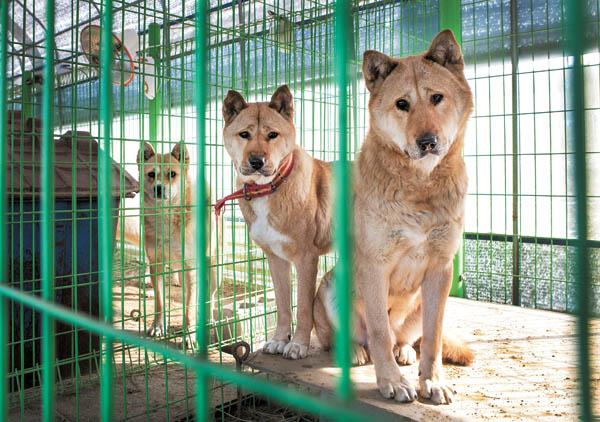
Breed Overview
Korean Jindo dogs weigh between 29 to 59 pounds as adults, with shoulder heights between 44.5 cm and 54 cm. They have medium-length double fur. Common colors: red, white, black, brown, gray, and spotted patterns. Expected lifespan is 14 years. They are not very friendly with other pets, and their relationship with children is generally average. They don’t have much of a need for exercise. Despite their high-strung personality, they are very intelligent, but difficult to train.
Korean Jindo Dog History
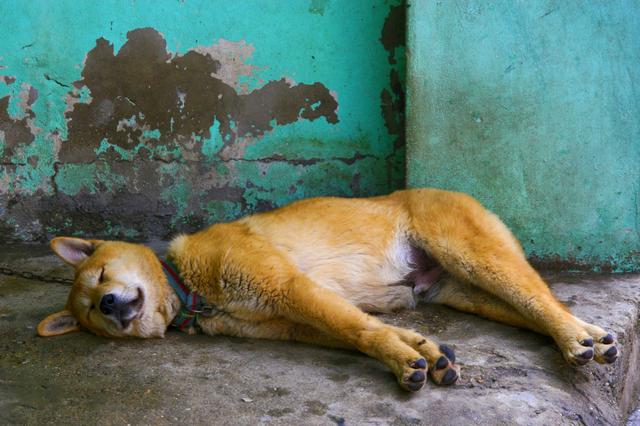
Korean Jindo dogs originated on a small island called Jindo in Korea, and they got their name from it. Korean Jindo dogs have lived with humans on this island for thousands of years, although their work was hunting and guarding the homestead, their life was also very free. In Korea, Jindo dogs are considered national treasures. In 1988, Korean Jindo dogs appeared at the opening ceremony of the Olympic Games in Seoul, Korea.
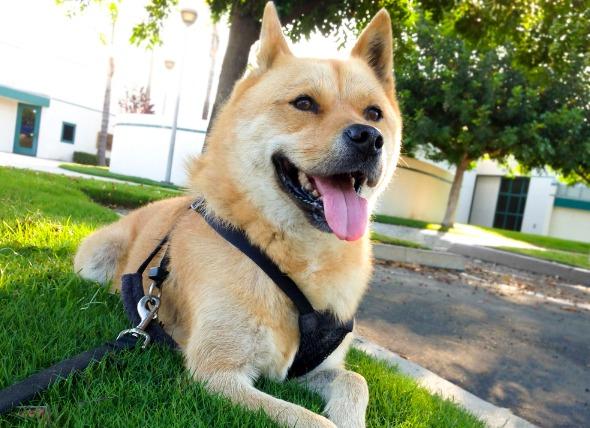
In the United States, Korean Jindo dogs have been recognized by the American Kennel Club, as part of the Spitz group. They are also members of the American Kennel Club Foundation and recognized by the International Kennel Club.
Korean Jindo Daily Care
Korean Jindo dogs are very clean and don’t need frequent baths. Even if they haven’t been bathed for a long time, they won’t smell too bad. Besides seasonal shedding, they rarely shed excessively. During the two-yearly seasonal shedding period, brushing their teeth can help control hair loss. To keep them tidy, brushing their teeth once a week is enough.
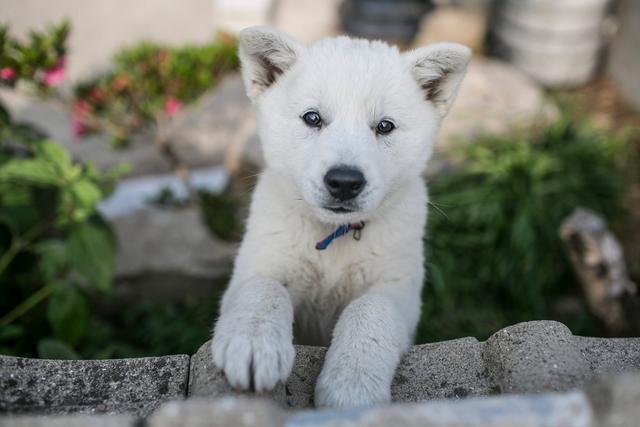
Korean Jindo dogs are primarily used for hunting and guarding, so they have a strong hunting drive (the instinct to chase and kill animals). Maintaining strength and exercise is what Korean Jindo dogs need, whether it’s hunting, jogging, hiking, or any other method that provides a lot of physical and mental stimulation, can make them well-behaved at home.
Common Health Problems
Generally, Korean Jindo dogs are a healthy and long-lived breed. Common diseases in them include discoid lupus erythematosus (an autoimmune disease) and hypothyroidism.
Diet and Nutrition
High-quality, high-nutrient food is very suitable for the needs of Korean Jindo dogs. Allowing them to eat freely or improper feeding will lead to weight gain, obesity, and obesity can lead to health problems and joint damage.
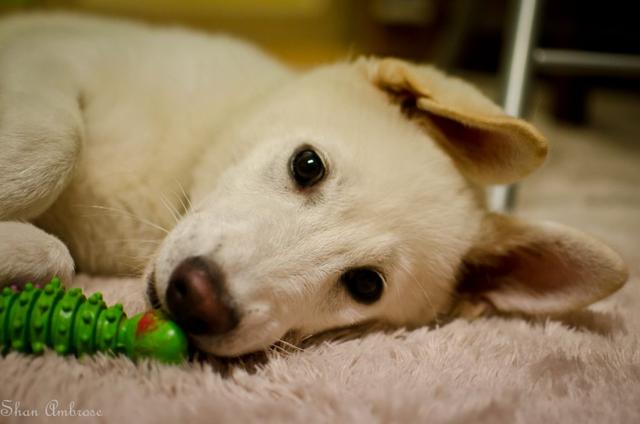
Although Korean Jindo dogs look very cute, it is not recommended to raise them for novice owners, otherwise they may bring a lot of trouble~