How to Help a Scared Cat Regain Happiness
For humans, adopting a cat is an exciting thing;But for a shy cat, moving from a familiar shelter, stray station or foster home to a strange environment can cause it psychological trauma.
How can we help such a cat?
Remember the most basic thing, letting your shy cat socialize needs a lot of patience; cats don't always understand that we are helping them, so take it step by step.
The process may take several weeks to over a year, but in the end it's all worth it!
Today we're going to talk about how to help a frightened cat regain happiness.

Part1—Establish Space
Every cat needs its own small space.
Why?
Cats are territorial animals, but a too large initial territory may make the cat feel lost;
Therefore we suggest setting up a small room, any small room with no hiding places for the frightened cat to use as 'home' is fine.
Private bedroom
It can also be particularly effective as it helps the cat get used to the smell of the owner.In addition, you also need to provide the cat with

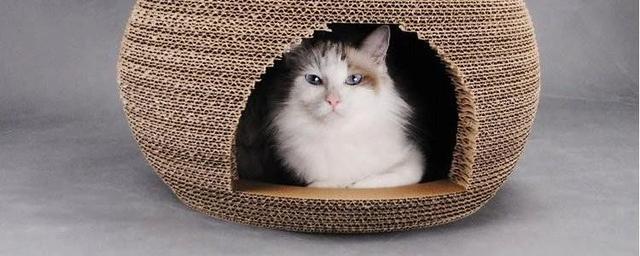
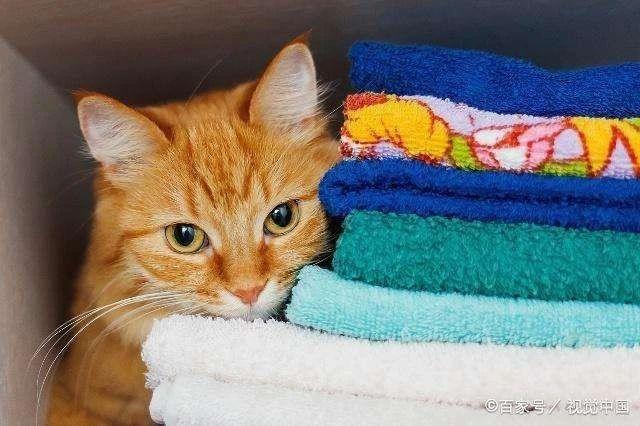
Food, water and a small cardboard box.You can also put the cat's cardboard box in the room, with a soft blanket inside,
So it can treat it as 'safe place'.You can also consider
Playing music or television for the cat, preferably background music, so that it can get used to non-threatening human noise.Leave the cat in the room until the whole process is completed.
If you leave the cat out of the room too early, it might find a hiding place, making the socialization process more difficult! Try not to do that.

Once a base is established, you can move on to Part 2.
Part2—Introduction
Introduce yourself to the cat slowly.
Initially, just sit in the same room with the cat.
Don't rush to touch it—wait until it's ready, then let it come to you.
Speak in a calm and slow voice, because cats don't like sudden loud movements.
In the beginning, a gentle voice is more soothing than affectionate touch.

When the cat feels comfortable with you sitting in the room, extend your hand, palm down, relaxed, let the cat smell your scent completely.
If the cat approaches and seems interested in you, maintain the position and speak to the cat gently.
First gently stroke the cat's head and cheeks. Pay attention to body language! !
If at any time, the cat pulls back or hisses or swats, it means you're too close.

When it wants to leave, let it go, don't grab it or try to drag it onto your lap when it's not ready, or when it doesn't want to.
If the cat is not interested in approaching you, don't be surprised or discouraged.
Try the next two steps to build a positive connection.
Part3—Use Food to Create Positive Experiences
The fastest way to win a cat's heart is through its stomach.
Next, let the shy little cat believe in you—when you're with it, start creating positive food experiences for it.
Provide such things as tuna, baby food (without onion or garlic flavor), etc., a luxurious feast, even tasty cooked meat.

Make sure you don't give it these things unless you're with it.
So it can learn that you (what it's afraid of) is a positive experience.
Every time you start a social activity,
Give your cat a spoonful of meat (it's its favorite), while it's eating, speak to it gently.If the cat doesn't eat when you leave the room, take the food away.
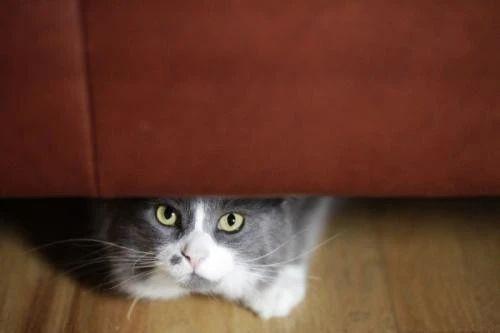
It may take some time for the cat to eat when you're with it—remember to be patient, let the cat learn at its own pace.
If the cat still doesn't change, the situation is quite extreme, then you can take further steps—create positive experiences through play.
Part4—Use Play to Create Positive Experiences
Every cat is secretly a little kitten inside.
Once the cat is comfortable eating with you in the room, continue to create positive play experiences.
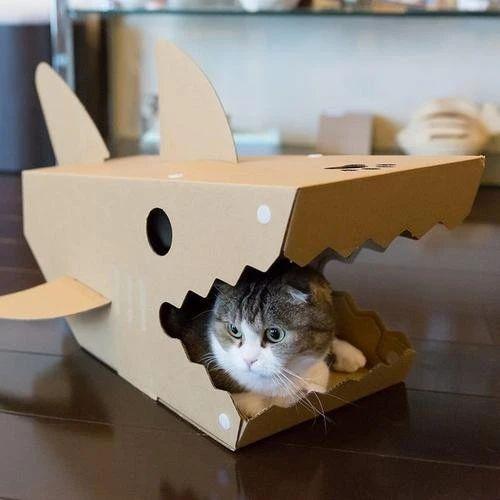
Suggest using interactive toys, such as feather wands, laser pointers.
Catnip can also help cats relax and feel more comfortable.
Put the toys gently near the cat, let it get used to them.
Don't push the toys towards the cat or place the toys too close—you want the cat to approach the toys itself.
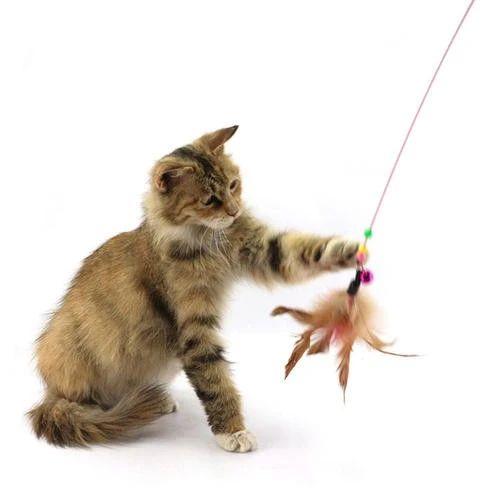
Once it looks comfortable with this thing, slowly pick up the toy and gently stroke the cat with the toy, starting from the cheeks and head.
Remember that at the beginning, it's the toy that's stroking the cat, not you.
From there, you can try different ways—you may need to experiment to see what's best for your cat.
When the new cat feels comfortable being stroked with toys, you can pause the game and gently stroke the cat, and then continue playing.
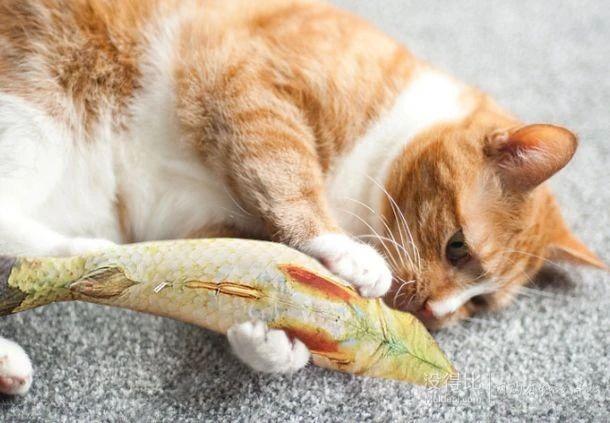
Over time, gradually increase the pauses when stroking it.
No matter what method you use, always start by stroking the cheeks and head, and then slowly move towards other parts of the body.
According to the cat's tolerance, gradually increase the number of times you stroke it.
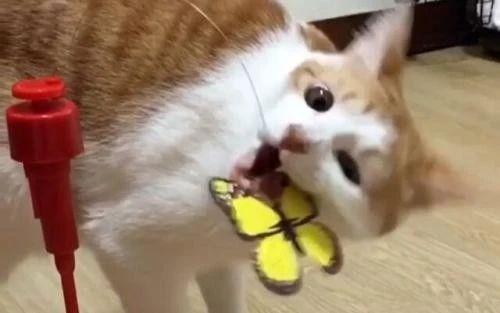
Don't approach from the top directly, because this may make the cat feel trapped and trigger scratching behavior, etc. When you're working with a shy cat, the biggest wealth you can use is time.
Be patient with your cat, take it step by step. If at any time your cat feels uncomfortable with what you're doing, go back to the previous steps, help it feel safe and successful.
Always move slowly and quietly, stay calm, and pay close attention to its body language.
A frightened cat may hide, stay in place, or curl up into the smallest position, body tense, head tilted slightly to the side; its tail may be stationary or move back and forth, they may be silent or make hissing and growling sounds; When you've been working with a shy cat for a while, you'll become skilled at interpreting its body language.
Once the cat allows you to stroke its whole body, try holding the cat with one hand and stroking it with the other hand, bringing the cat closer.
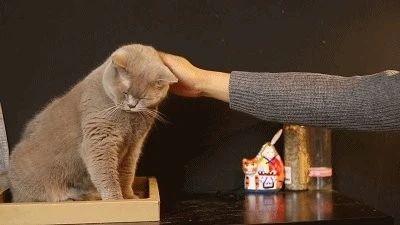
After doing this for a few minutes, let the cat go, but continue to stroke it with one hand.
You can keep moving the cat closer to you step by step.
Now, you're probably almost finished with these steps. A cat owner can review their reactions to you over time—this is the social reward.
Seeing the cat take steps to trust you will soon make the effort worthwhile.
The above is the content of today...

I'm Nao, a crazy cat owner with ten cats. This is the original work of Cat Socialization Expert, and it has been invited by Vigilant Knight to sue. If you want to translate it, please contact me for permission.
If you have any doubts or want to discuss it, you can point it out in the comments.
Welcome everyone to like and follow, more pet dry goods are waiting for you!
——
——
~~~
~~~