Why Do Mammals Need Sleep? And Can They ‘Catch Up’ on Sleep?
Why do animals need sleep?
Animals' sleep is generally divided into two different states. One is slow-wave sleep, characterized by synchronous, long and undulating electrical activity throughout the entire brain. The other is rapid eye movement sleep, characterized by abrupt brain activity, similar to that of waking, as well as obvious external manifestations: rapid eye movements and near-muscle paralysis. Slow-wave sleep is more common in mammals, while rapid eye movement sleep is more prevalent in reptiles and birds.
Traditionally, sleep is believed to be for rest, energy replenishment, or repairing brain nerve connections. However, many researchers now believe that sleep has multiple functions. Recent studies suggest that sleep is not just a process of rest and recovery, but also plays an important role in the brain's information processing, memory classification and storage, and even creative thinking. Experimental evidence shows that rapid eye movement sleep is crucial for reorganizing and re-experiencing memories; while slow-wave sleep plays a greater role in reinforcing memories.
Birds can 'replay' the songs they learned during the day at night, which can be interpreted as 'overtime' or 'worrying about not completing the course'. Humans often have this situation: when facing difficult problems, if we leave the questions to solve until the next day after waking up, we often find better solutions.
The answer to this question is that our brains are still secretly active during sleep. During different stages of sleep, our brains combine thoughts and experiences and then organize them in a structured way, resulting in clearer memories and ultimately, more informed judgments. Therefore, we 'sleep and dream; learn and remember'.
'Sleeping Slug' Actually Exists?
What substance in the animal body plays a decisive role in sleep behavior?
Previously, people believed that something like 'sleepworm' existed, called 'melatonin'. Scientists repeatedly tried to extract the exact 'melatonin' substance from dogs' blood, but failed. By the mid-20th century, this research was abandoned. In recent years, the 'melatonin theory' has revived and achieved continuous breakthroughs. In fact, scientists have found several different structures of 'melatonin' substances, which play different roles in the process of sleep. They are different, and they perform different functions.
Now, scientists know that there are at least three substances in the brain – the levels of composite amines, adrenaline, and histamine – that fluctuate during sleep, affecting the process. Their decrease causes drowsiness, and their increase promotes wakefulness. Scientists once thought that these three substances had the same effect, but experimental results with dogs suffering from hypersomnia showed that these three substances have different effects. Composite amines and adrenaline act on muscle contraction and relaxation to ensure that the body doesn't move when entering sleep, while histamine controls when we wake up.
Why do animals close their eyes while sleeping?
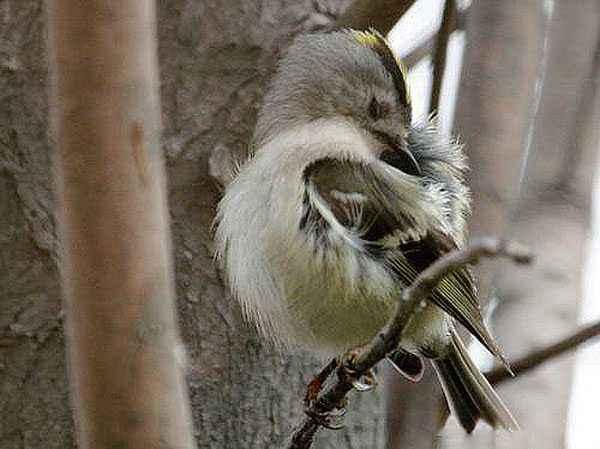
During sleep, certain changes in animal physiology can help them maintain prolonged sleep, allowing the body to rest. For example, most birds and mammals close their eyes during sleep, meaning that the brain's higher nervous centers are suppressed during sleep, resulting in loss of control over the eyelid muscles. Since animals have limited defense against the external environment during sleep, and vision is an unparalleled ability, closing their eyes can provide protection. Only by tightly closing their eyes can they block out the stimulation of light, allowing the nervous system to rest quietly. In addition, eyes need water, so closing their eyes can keep them hydrated.
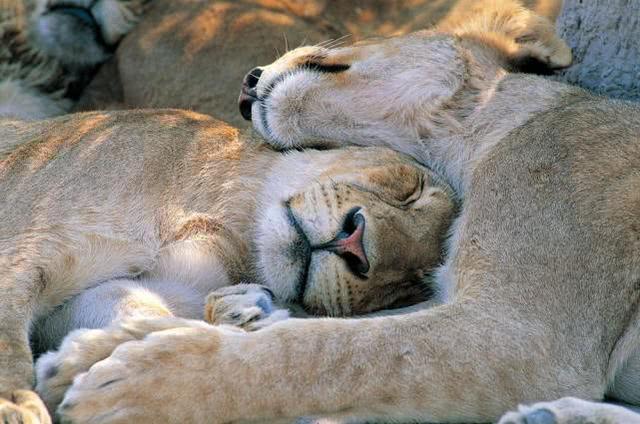
Moreover, the visual center is also dormant in humans and animals during sleep, even if they are open-eyed, the image of objects in the eyes is not perceived by the brain. Because of this, although Zhang Fei in 'Romance of the Three Kingdoms' was open-eyed, he was still killed secretly.
In addition, hearing and smell also decline in humans and some animals during sleep. The resulting outcome is that small environmental changes will not wake them up from sleep. Some physiological reactions, such as sneezing or coughing, will not occur. This may be because the sensitivity of the nose and throat has decreased. The edges of the ear-fur of many mammals are also sensitive to external movement and noise. Many herbivores sleep shallowly, and they are very vigilant against even the smallest danger, and can quickly and strongly react. Observations of elephants show that they have no reaction to larger disturbances during sleep, but are extremely sensitive to faint sounds.
How is sleep awakened?
At the same time, the animal's sensory organs must ensure that they can wake them when subjected to strong external stimulation. Many mammals sleep with their ears rotating like radar antennas, and every subtle sound passing through them enters the brain. The ear-fur edges of many mammals are sensitive to external movement and noise.
Even the fine on the edge of the ear-fur can sense external movement and noise. Many herbivores sleep shallowly, and they are very vigilant against even the smallest danger, and can quickly and strongly react. Observations of elephants show that they have no reaction to larger disturbances during sleep, but are extremely sensitive to faint sounds.
Humans also have 'alert points'. During deep sleep, the cerebral cortex is suppressed, but one part is not suppressed and is in a state of excitement, through this 'alert point', people can maintain contact with the outside world. This 'alert point' is awakened by external stimulation; it doesn't automatically wake up from sleep on its own; it requires external reminders to restore it to a wakeful state. It has two types: passive 'alert point' is awakened by external stimulation, and active 'alert point' doesn't need any external stimulation or reminder, and can automatically return to a wakeful state.
There are many such examples in life, such as the habit of getting up at 6 am every morning, if needed to get up at 4 am to take a train, he is likely to wake up before it without an alarm.
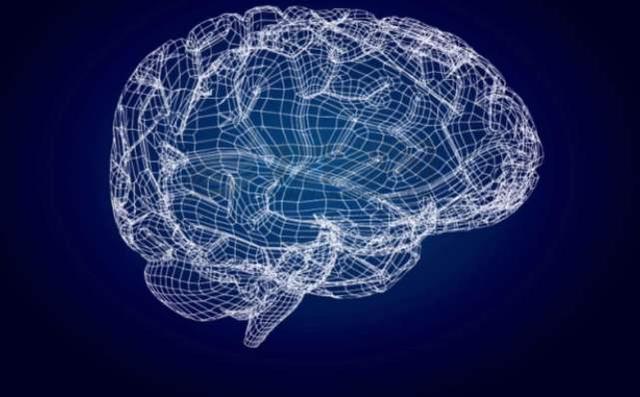
Scientists have found that the brain cells containing the chemical substance 'histamine' may play a key role in naturally waking people from sleep. When conducting experiments on dogs with hypersomnia, they found that the brain cells that produced adrenaline and vasoconstrictors interrupted their work during the onset of deep sleep, but the brain cells producing histamine remained 'normally working'. This phenomenon is believed to be related to the fact that the activity of the histamine-producing cells can maintain wakefulness in humans and animals.
Animals' sleep deficiency can 'catch up'
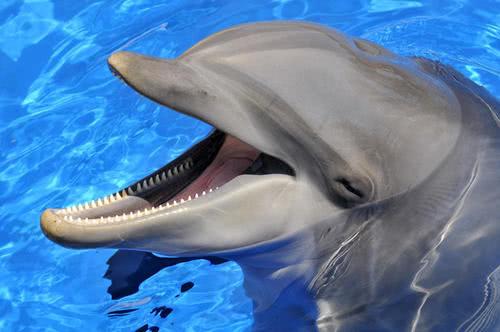
What animal sleeps the longest? In the Three Gorges Dam area of China, a clay pot containing a live toad was found in a Han Dynasty tomb. It has been sleeping for more than a thousand years. Soviet geologists found two amphibian animals - the Siberian salamander, in the permafrost, which have been sleeping for nearly 5000 years at a temperature of -10°C and a depth of 7 meters. Similarly, North American migratory birds, such as the arctic tern, can sleep for nearly a month after birth. The tiger whales and humpback dolphins' mothers also sleep almost continuously while taking care of their young. This is a special adaptation formed to adapt to the survival environment and avoid being harmed while they are sleeping.
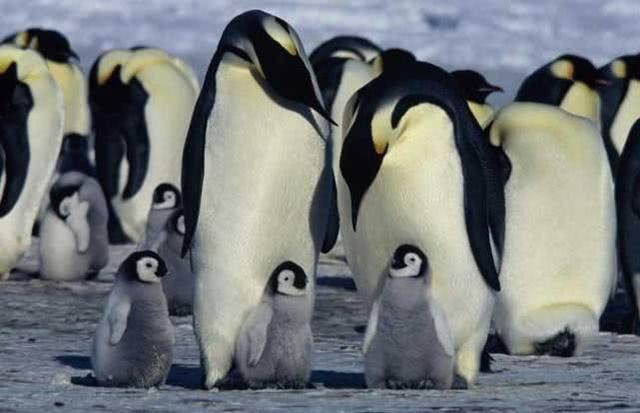
Conversely, emperor penguins spend the entire three months of egg incubation without sleeping. Similarly, some American migratory birds, such as the arctic tern, can sleep for nearly a month after birth. The tiger whales and humpback dolphins' mothers also sleep almost continuously while taking care of their young. This is a special adaptation formed to adapt to the survival environment and avoid being harmed while they are sleeping.
Male emperor penguins can sleep for a full three months during the egg-incubation period. Similarly, some North American migratory birds, such as the arctic tern, can sleep for nearly a month after birth. The tiger whales and humpback dolphins' mothers also sleep almost continuously while taking care of their young. This is a special adaptation formed to adapt to the survival environment and avoid being harmed while they are sleeping.
Once, a British man slept 11 sleepless days and nights before finally closing his eyes and falling into sleep. Although he didn't break the world record (it was 10 hours less), his behavior still surprised the world. But for ordinary people, the consequences of sleep deprivation are still quite serious, which can disrupt the 'biological clock' and first lead to depression, such as restlessness, depression, itchy and stinging eyes, blurred vision, increased appetite, and fatigue... etc. Long-term sleep deprivation can also lead to death. Animals are the same. In the laboratory, if mice are not allowed to sleep for a long time, the mice subjected to the experiment will die.
Therefore, when animals are sleep-deprived, they also 'catch up' on sleep. After being disturbed at night, fish like to take lazy naps. Geese and other migratory birds stop midway during their migration to rest and catch up on sleep. Even laboratory fruit flies, if disturbed by researchers, will compensate by sleeping more for several days.
“”……
“”“”“”