Only 6 Jin is Smaller Than the Orange Cat, and There's Also a Cute Wind-Catching Ear, But This Cat is Not to Be Provoked
Nagasaki Zoo recently posted new residents online, a small cat species: desert cat.
At first glance, I thought it was a cute kitten from a certain house, mistakenly sent to the zoo!
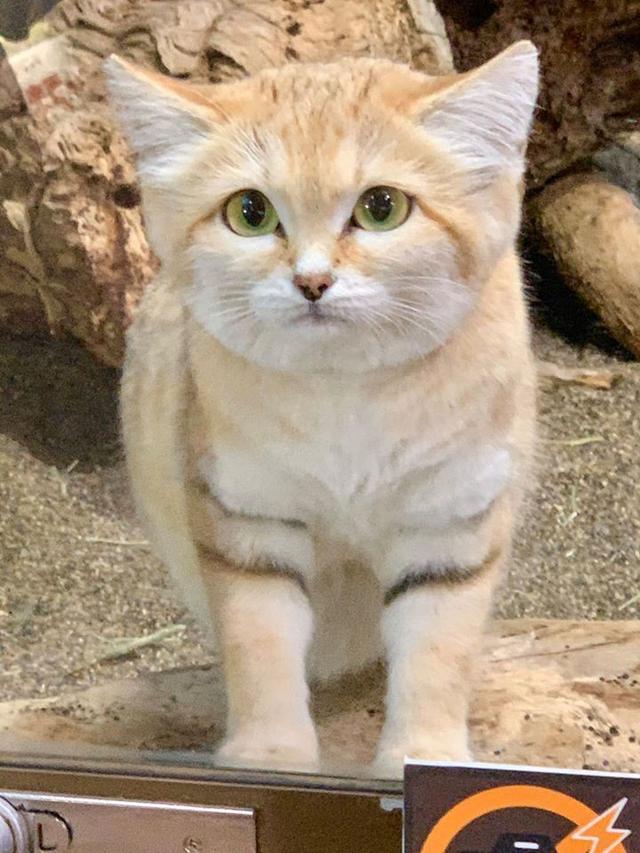
Desert cats are also known as ‘desert angels’ because of their adorable appearance. Desert cats are very small, with adult cats measuring only 50 cm in length and weighing around 6 jin (about 2.7 kg). Compared to orange cats, which weigh anywhere from 10 to 15 jin (or more), desert cats are super cute!
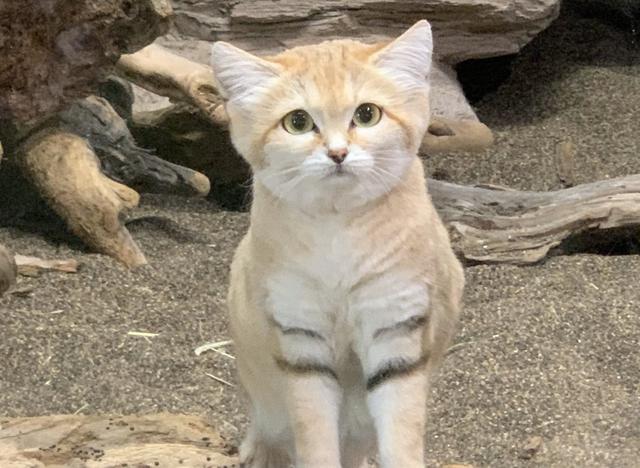
Although called angels, they are also very cute, but they are not easy to provoke. After all, they are ‘kitties’ that can survive in the desert—they need to be tough to survive.
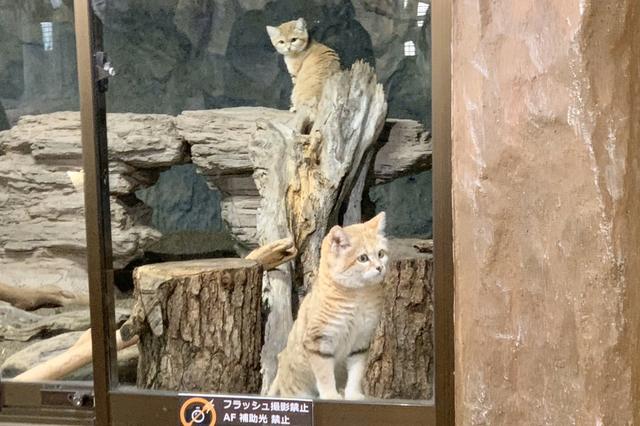
Desert cats can survive in the desert thanks to several key features: large, wind-catching ears, long fur claws, and a formidable hunting ability.
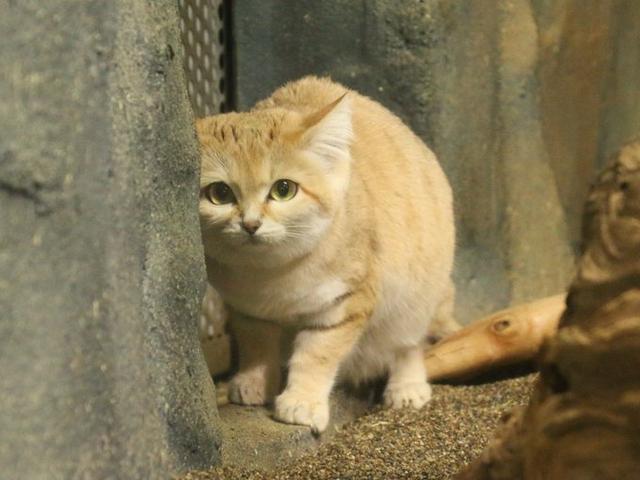
Their large, wind-catching ears are used to dissipate heat. The midday temperature in the Sahara Desert can reach up to 52°C, and they can use their big ears to expel excess heat. Large ears also mean sensitive hearing, allowing them to quickly detect the hunting behavior of snakes, vultures, or wild dogs.
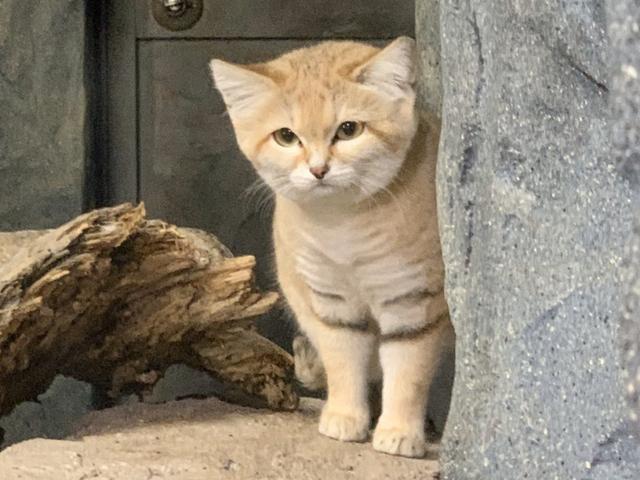
If you want to see the fluffy pads of a desert cat's paws, you might be disappointed. To prevent their paws from being burned, they have a layer of fur covering their paws. There are no more pink pads to be seen!
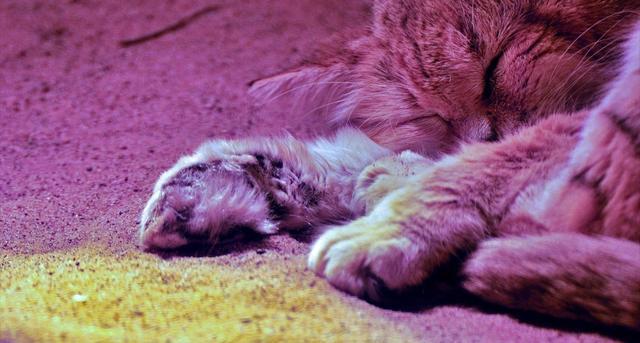
Although small in stature, desert cats are still cat species, and their hunting ability is not bad. They are ruthless when hunting mice and rabbits. Gerbils, African fat-tailed rats, desert horned lizards, and small snakes are their food.
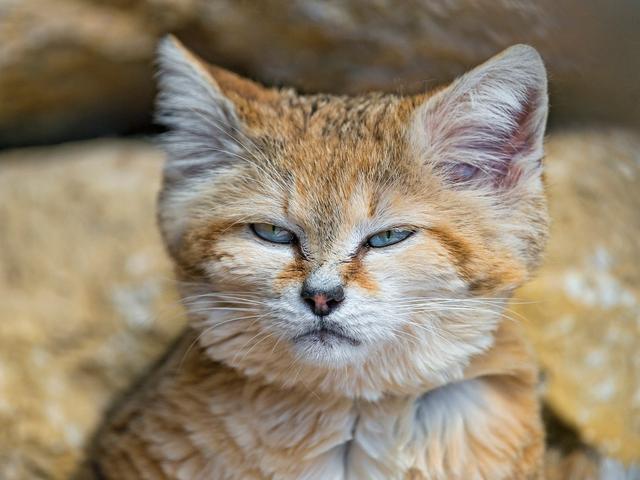
Desert cat kittens learn to dig and hunt after 5 weeks of birth. Many domestic cats are still cuddling in their owners’ arms!
Although they look cute, their personality is completely different from domestic cats—they are fierce little cats. Moreover, the cat’s respiratory structure is special, which makes it easy for domestic cats to have respiratory diseases.
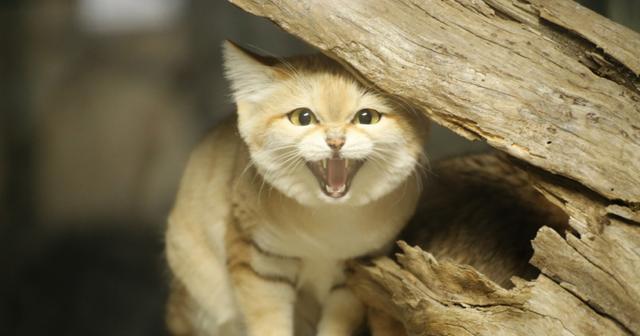
The Japanese zoo also warns everyone not to keep them just because they are cute, which will only harm them!