A ‘Huang Dog’-Like Australian Wild Dog, Surprisingly Became Australia’s Strongest Predator
Australia is a magical continent, due to thousands of kilometers of vast seas, this continent is isolated and separated, leading to the animals and plants on this continent being different from other continents, and evolving in different directions. Later, due tosudden environmental changes and other reasons, Australia's large placental animals one after another went extinct, thus Australia became the realm of marsupials. These marsupials mostly eat plants, and only a few large marsupial carnivorous animals eventually evolved into extinction. Among them, the extinction of the Thylacine was due tothe 'Australian Dingo' which is currently the strongest predator in Australia. The tranquility of Australia was broken after the arrival of humans. Humans first arrived in Australia about 50,000 years ago, but at that time, Australia had no dogs. Until
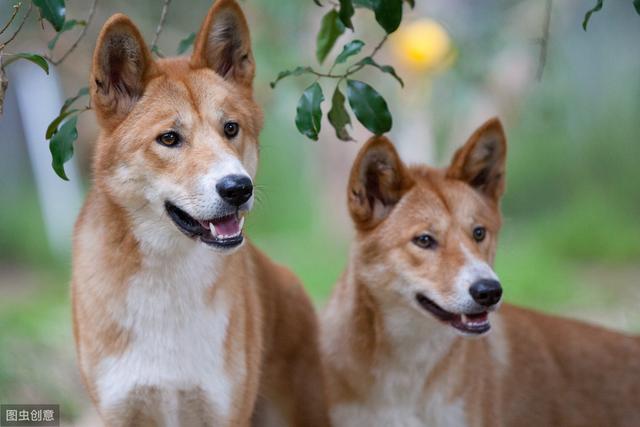
5,000 years ago, immigrants once again landed in Australia, this time they brought the Australian Dingo.
According to data and genetic studies on the Australian Dingo, this animal is related to Southeast Asian domestic dogs. Therefore, scientists in the report pointed out that:The Australian Dingo is a small branch of an ancient dog species. This dog may have evolved from a small group of dogs brought to Australia 5,000 years ago by Southeast Asian immigrants. Then we look at the Australian Dingo, it seems that all this is telling the truth. The Australian Dingo looks very similar to a local dog, resembling
'Village Dog Huang'it is hard to imagine that it would later become the strongest predator on the continent. But don't be fooled by its appearance, the Australian Dingo is fundamentally not a dog, both in terms of wildness and behavior, it is very different from dogs, and it is a unique subspecies of the dingo.
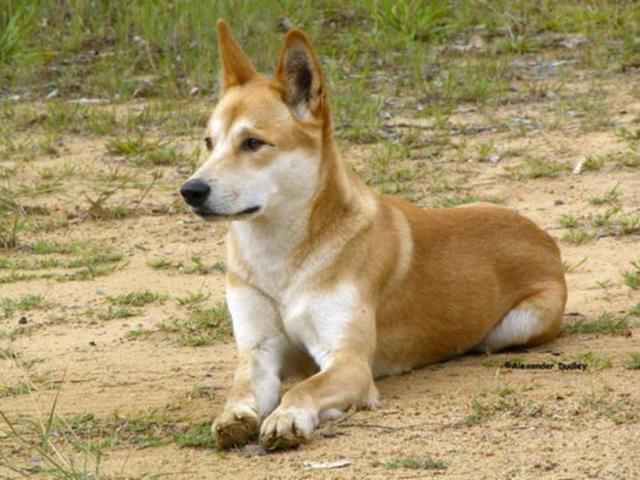
Before classification, people always had doubts about the identity of the Australian Dingo, because it looked like a dog and people thought it was a dog evolved from a domestic dog. However, its behavior was more similar to that of a wolf, and its howl was more like a'wolf howl'and the Australian Dingo's social structure was similar to that of a wolf, with
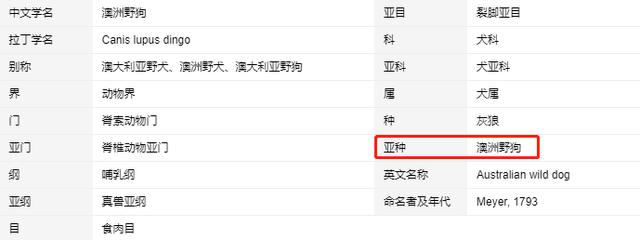
a strict hierarchical system, only the dominant male and female could reproduce offspring, rarely like domestic dogs randomly mating, because people thought it was a wolf. Finally, considering it was different from dogs and wolves, a new subspecies was created—the Australian Dingo subspecieswhich eventually became the top predator of Australia. After recognizing the'it's-wolf-but-not-a-wolf, it's-a-dog-but-not-a-dog'truth of the Australian Dingo, we need to understand how this species, which doesn't belong to Australia's Australian Dingo, became the top predator of Australia later through its
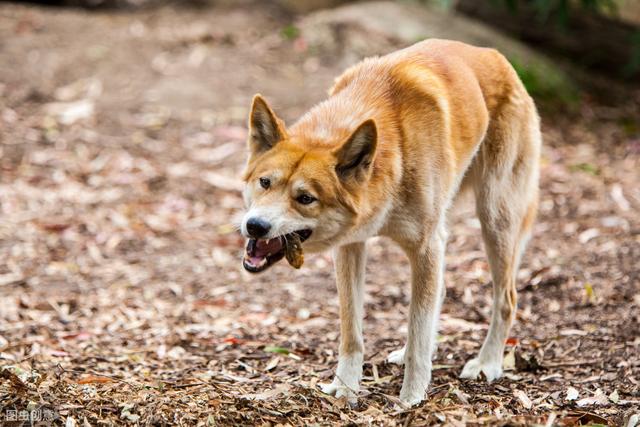
super environmental adaptability, super high reproductive ability, super realistic opportunism, and perfect team coordination, it made this ordinary-looking 'village dog' species, the Australian Dingo, gradually become the top predator of Australia and even the strongest predator in Australia today.
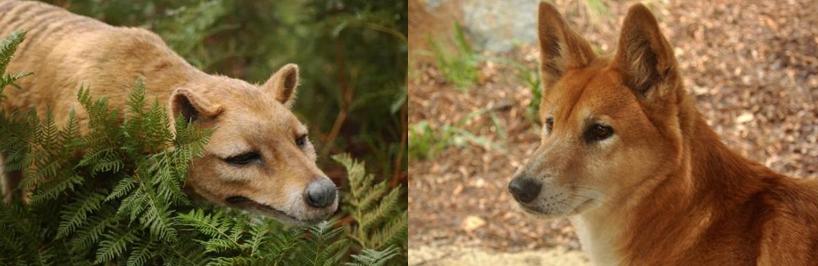
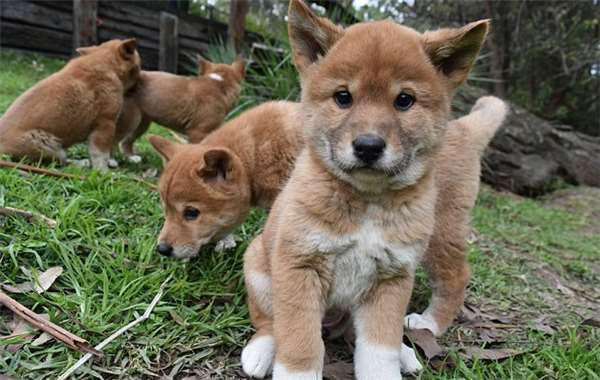
The strong adaptability of the Australian Dingo is also a prerequisite, it can live in tropical forests, grasslands, deserts, and plateaus, and it dares to roam around villages. In fact, at the time, there were other powerful predators in Australia, such as the Thylacine, which was the top predator at the time. But when the Australian Dingo came to Australia, the position of the Thylacine was challenged. It didn't mean the Thylacine couldn't beat the Australian Dingo, but the Thylacine usually lived in small families with three or four individuals, while the Australian Dingo lived in groups with ten or more individuals, which was an insurmountable disadvantage in terms of numbers, and this was not the most critical point. The most critical point is that after the Australian Dingo came to Australia, the survival environment of the Thylacine and the survival environment of the Australian Dingo overlapped, which led tocompetition for resources, and the reproduction competition became a major problem. The Thylacine usually had 2-3 offspring per litter, while the Australian Dingo had 1-10 offspring per litter, with an average of 4-5 offspring. Regarding their growth, the Thylacine spent 3-4 months in the parental pouch before leaving the pouch and it would take a period of time to live independently, while the Australian Dingo's children could live independently within three to four months. In this way, the Australian Dingo's population became stronger and stronger.
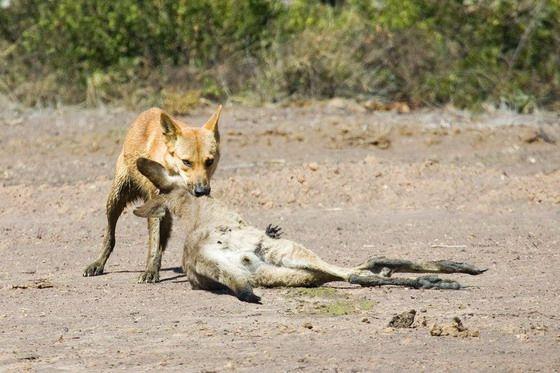
The strength of the population also requires the prerequisite that the Australian Dingo's food requirements, in terms of food, they have a rich recipe, they can solve the battle alone with a gun and a pistol, when facing large animals, they will cooperate in groups to hunt. The Australian Dingo has a perfect survival rule, it is united, intelligent, and flexible. It exists like a wolf pack but is easier to adapt to the environment. Conclusion
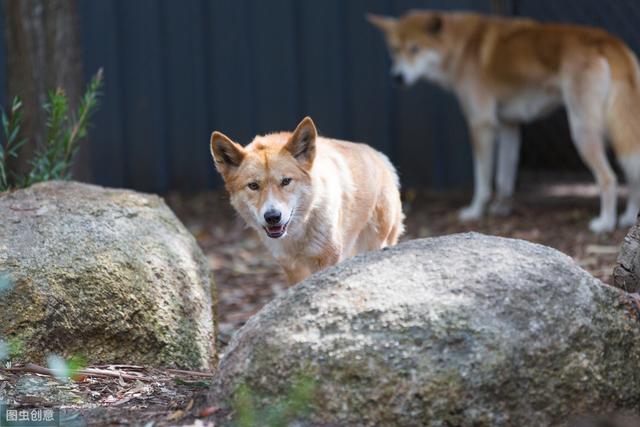
is thatsuper environmental adaptability, super high reproductive ability, super realistic opportunism, and perfect team coordination
made this ordinary-looking 'village dog' species, the Australian Dingo, gradually become the top predator of Australia and even the strongest predator in Australia today. 2~31~104~53-4
""