Very Healthy! The First Time: Two Born via IVF Cheetahs Take Their First Outdoor Adventure
Do you remember those two cheetah cubs born through in vitro fertilization-embryo transfer technology (also known as ‘test tube baby’ technology)? On February 19, 2020, numerous biologists and zoologists, after years of attempts, successfully gave birth to two cubs of a 3-year-old female cheetah at the Columbus Zoo in Ohio, achieving a major scientific breakthrough.
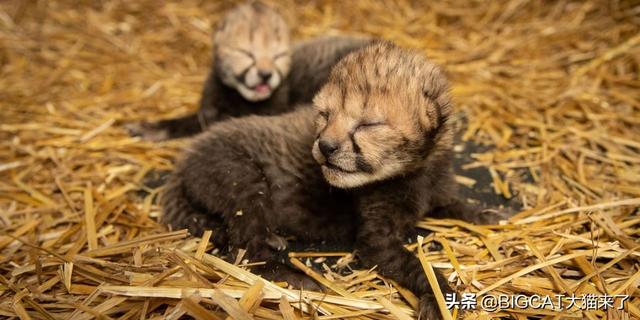
Figure: Newborn cheetah cubs
Recently, under the guidance of keepers at the Columbus Zoo, the two 6-week-old cheetah cubs had their first outdoor activity. In the photos, the two healthy and lively cheetah cubs were full of curiosity about the unfamiliar world, they happily ran across the grass, showcasing their talents.
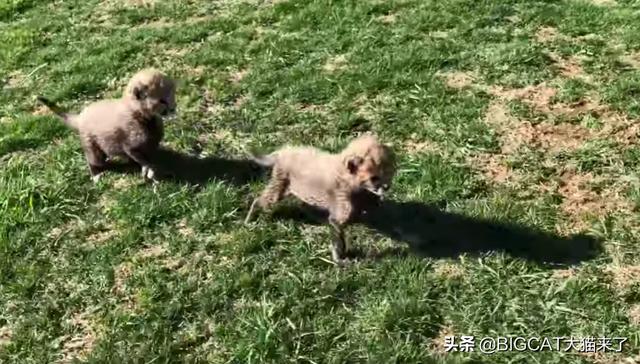
Figure: Two cheetah cubs having their first outdoor activity
If you understand how these two cheetah cubs came into this world, you will understand why the zoo staff were so concerned about them and held several press conferences.
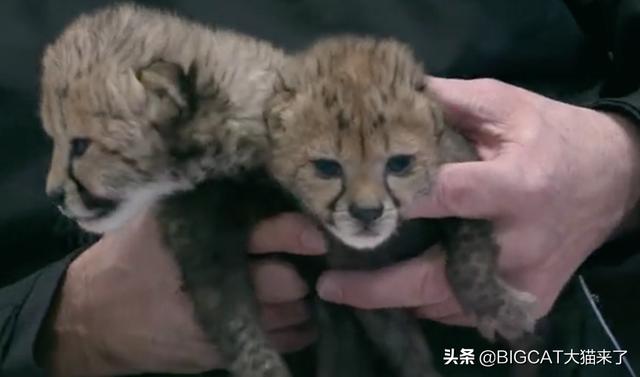
In November 2019, scientists extracted eggs from a 6.5-year-old female cheetah at the Columbus Zoo, then fertilized the eggs with sperm from a 3-year-old male cheetah from the Texas Fossil Rim Wildlife Center, and then cultured them in vitro. The fertilized eggs developed into embryos, which were subsequently implanted into the uterus of a 3-year-old female cheetah named Iz at the Columbus Zoo.
Approximately 3 months later, the female cheetah Iz successfully gave birth to two cheetah cubs. Therefore, the two cheetah cubs had two mothers, one genetic mother and one ‘surrogate mother’.
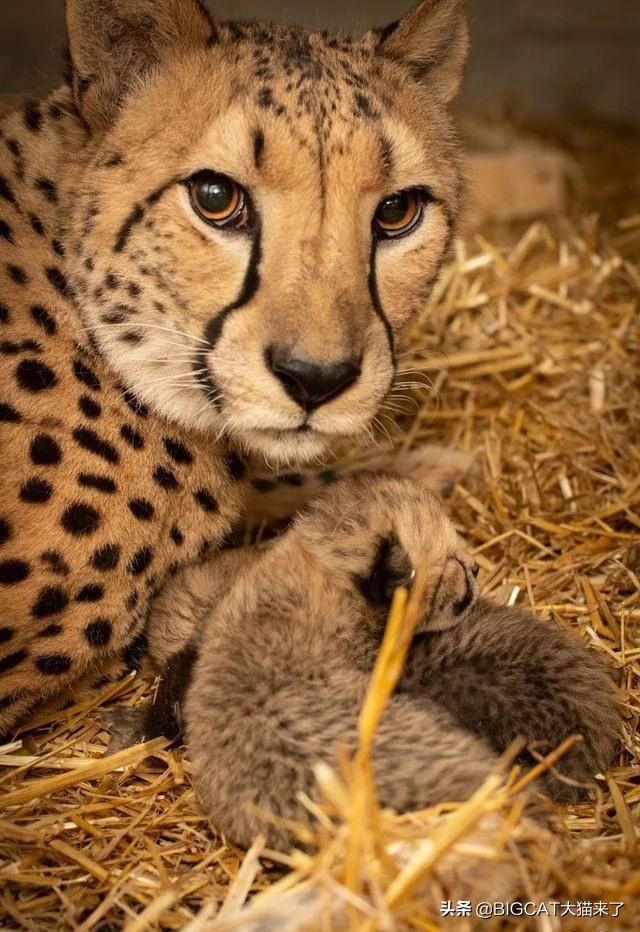
Figure: ‘Surrogate mother’ cheetah Iz and the two cubs
Now, the genetic diversity of the cheetah population has decreased significantly, which has greatly impacted the population’s reproduction and survival. The successful application of in vitro fertilization-embryo transfer technology in cheetahs has overcome the limitations of time and space, avoiding close breeding of cheetahs, and provided a new solution for the long-term survival of the cheetah population, which also provides a reference and inspiration for the protection of other endangered wild animals. Therefore, the healthy growth of these two cheetah cubs brings hope.
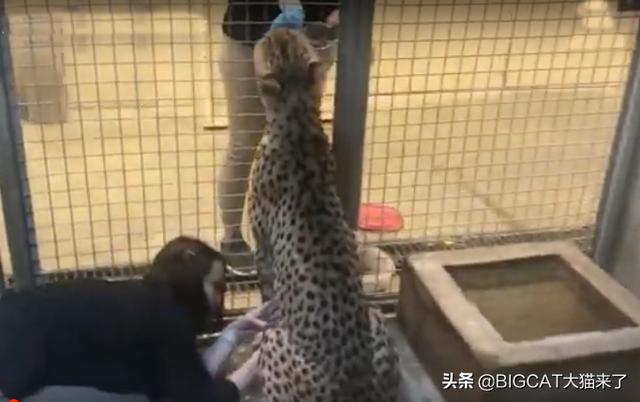
Figure: Zoo staff milking Iz
It is worth mentioning that Iz, the ‘surrogate mother’ of the two cheetah cubs, continues to contribute to scientists after giving birth. Through long-term training, the keepers of the Columbus Zoo can manually milk Iz, and then send the milk to the Smithsonian National Zoological Park and the Bioscience Research Institute for analysis and research to create cheetah milk alternatives to feed cheetah cubs that their mothers do not want to care for.
Follow Big Cats Come