Why Zebras Cannot Be Domesticated? The 3 Factors Determine That Zebras Are Not Suitable for Domestication
Regarding the question of why zebras cannot be domesticated, it is a very interesting topic, which can help us understand how ancient people domesticated animals.
Biologists have summarized the characteristics of animals that can be domesticated by humans. Generally, as long as they meet the following six points, they can be domesticated. We will analyze why zebras cannot become warhorses from these six points.
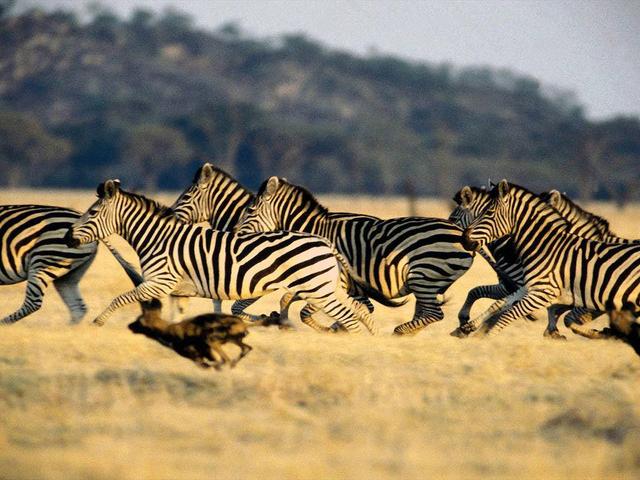
Animals that are difficult to domesticate cannot be too picky about food
If a species is too picky about food, they will be difficult for humans to tame. For example, long-necked giraffes rarely eat grass plants on the ground, they mostly eat leaves on trees. If you want to raise a giraffe, you'll need at least one forest. Besides, kudus are also very picky about their diet, they consume mostly aquatic plants.
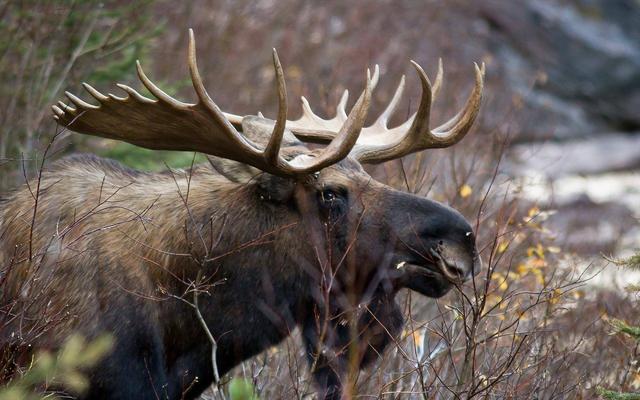
Humans can tame animals that are able to feed on rich cellulose plants, such as straw. These plants are cheap and easy to obtain, and cows, sheep and pigs can adapt to this way, so they were domesticated by humans thousands of years ago.
From a food perspective, zebras meet the requirements for domestication. Zebras eat grass, shrubs, leaves, and even tree bark, and they can survive in low-nutrient environments.
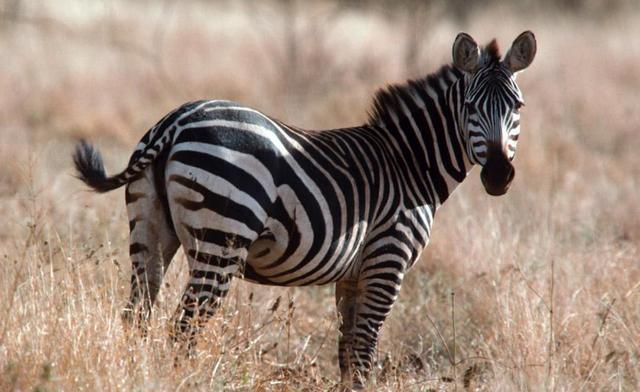
Relatively short growth period
The company is calculating whether a project is worth investing in, that is, whether the investment cost can be recovered within a certain period of time. If a project requires a large investment cost but the return is slow, then this project is not a worthwhile investment. Because the money invested in this project can be invested in other projects to earn more money.
Just as in taming animals, if an animal has a long growth period, humans need to invest a lot of food and energy to raise it, and during this time, the animal does not bring any benefit to humans.
From a return on investment perspective, it takes too much time and energy to tame the animal, and the cost is not recovered quickly, which is very unprofitable, so such animals will not be tamed by humans.
For example, elephants need 10 years to mature, while animals that can mature in 1-2 years are much easier to tame.
Zebras are not as long-term as elephants, but female zebras take 3 years to produce offspring, while male zebras do not have reproductive ability until 5-6 years old. Therefore, taming zebras is also unprofitable.
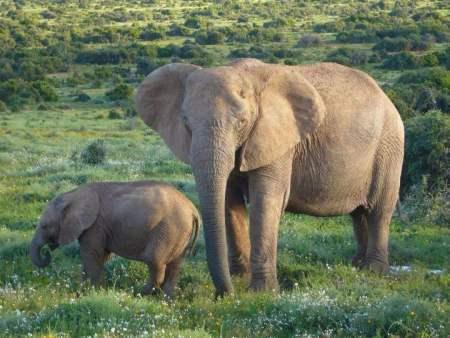
Temperamentally docile
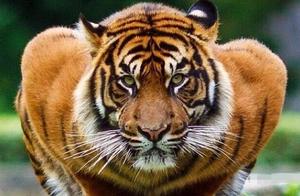
Besides animals in zoos or specific needs, rarely do people tame large carnivorous animals because these animals are irritable and pose a threat to humans.
Some animals also have obvious territorial consciousness, such as hippos. Although they are herbivores, their bite force is stronger than crocodiles. Plus, they have territorial consciousness, and if you enter a hippo's territory, the irritable hippo will attack humans.
In Africa, hippos are ranked as the most dangerous wild animals, and hippos kill hundreds of humans every year, more than tigers and lions combined.
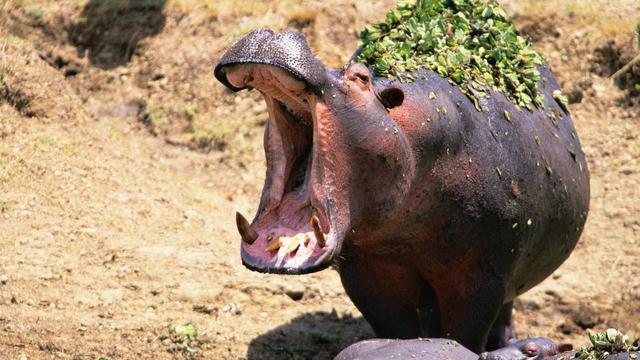
From a temperamental perspective, zebras appear to be docile, but they are very stubborn. Once they are in a difficult situation, they will fiercely confront tigers and lions.
Not easily panicked
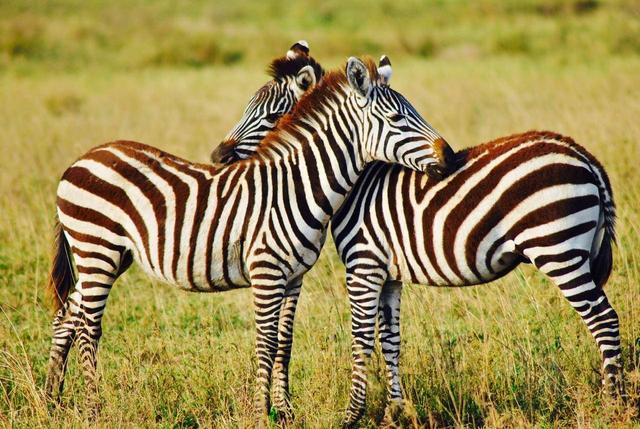
Animals that are too vigilant are difficult to tame, such as deer. Once they hear a sound, they will scatter. Zebras are also easily frightened, and someone once tried to tame zebras as a substitute for horses for riding and pulling, but zebras are easily frightened when under pressure, and humans cannot control their direction with a rein, so they will inevitably retreat in battle.
Harris. Sea Captain once tried to tame zebras and summarized their characteristics in 'The Characteristics of Horses'. He found that zebras' necks are hard, so humans cannot control the zebras' direction when using a rein.
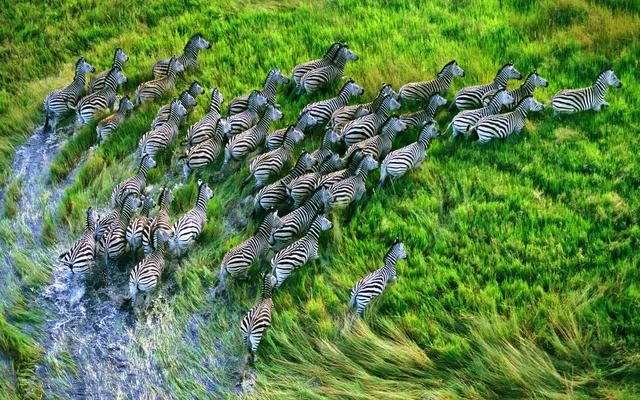
If a zebra is applied to war, it is likely to be frightened in battle and flee, and humans cannot control the zebra's direction well with a rein, so the army will inevitably retreat.
Able to reproduce offspring in artificial environments
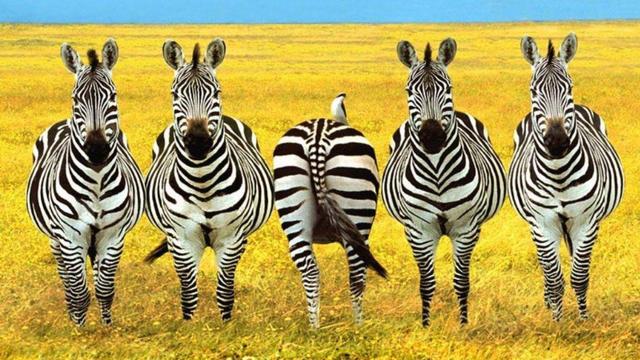
If a species is tamed but cannot reproduce offspring in artificial environments, this means that when the animal dies, humans have to recapture individuals from the wild to tame them.
Just as with long growth periods, tame animals have a low return on investment, so even if they are tamed, humans will not continue to tame them.
Because zebras have not been extensively trained, there is a lack of data on this.
Like to live in groups
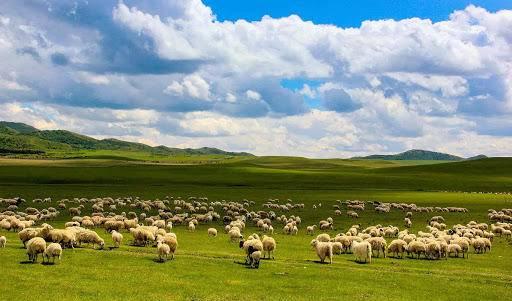
Whether it is dogs or sheep, they like to live in groups in the wild and have a hierarchy. In principle, they will have a leader, and humans tame the leader, so they can tame the entire population.
For example, when herding sheep, the shepherd only needs to control the direction of the leader sheep, and the other sheep will follow the leader. Animals that like to live in groups and have a hierarchical system will certainly speed up the human taming process.
In summary