8 Common Birds in Rural Areas, Frequently Caught and Raised, Now National Protected Animals
In rural areas, China, the most complete natural landscapes are preserved, especially in some remote mountain villages, the natural landscape is close to the original, so some rare birds and animals can still be found flying in rural areas. Especially some birds are most common, many small birds we used to catch and raise when we were young, but now these birds have become national protected animals, and we cannot capture them arbitrarily. Let's take a look at which birds there are.
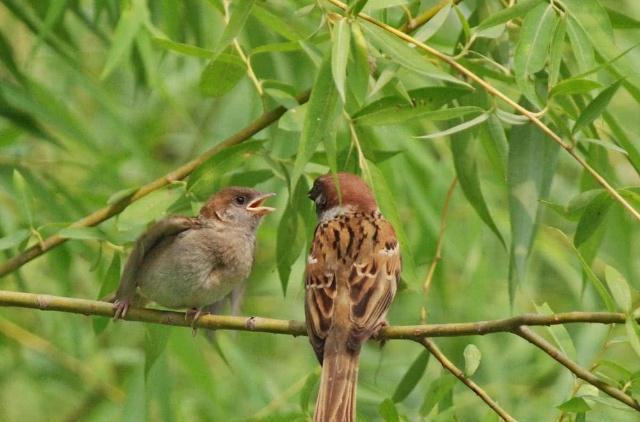
1. Magpie
Magpies are all over the countryside, often appearing in large groups. They are also one of the ‘four pests’. Magpies have a habit of eating grain, and the flocks of magpies can cause losses to farmers, so many people in rural areas capture magpies, some even use magpies as food. Now we cannot be capricious about capturing and harming magpies. Magpies are a secondary-level protected animal. If we capture or harm them arbitrarily, the police will come to us.
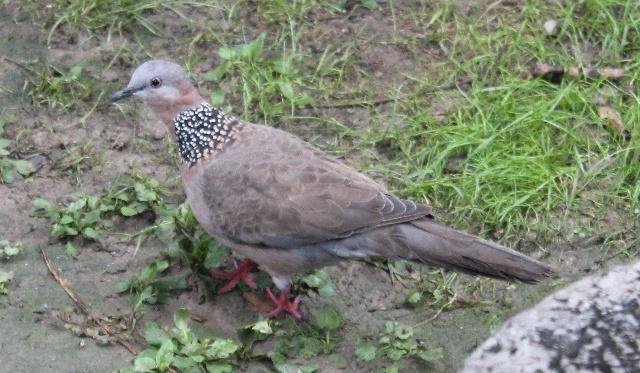
2. Coot
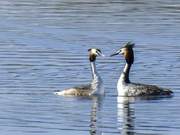
Coot is a common name for the Coots in the order Gaviidae. Now there are still some people who catch Coot for eating. Most of them are for eating, because Coot is a wild bird and tastes very delicious, so the price is also very high. However, wild Coot is not allowed to be captured or sold, and it is a ‘three-good’ protected animal. The law stipulates that hunting wild animals using prohibited tools and methods, and more than 20 individuals constitute illegal hunting.
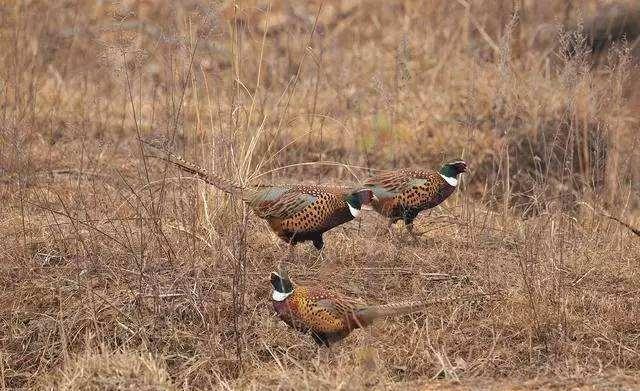
3. Wild Chicken
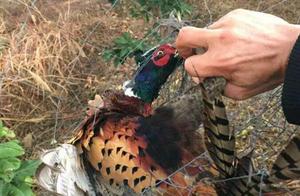
Wild Chicken, also known as wild rooster, lives in low mountain ridges, farmland, edges of fields, swamps and grassy lands. Its feathers are bright and easy to identify. It is slightly smaller than domestic chickens, but its tail is much longer. It belongs to secondary-level protected animals, and like Coot, people often kill it for food. Now you can often see them being sold in rural markets, but this behavior is illegal.
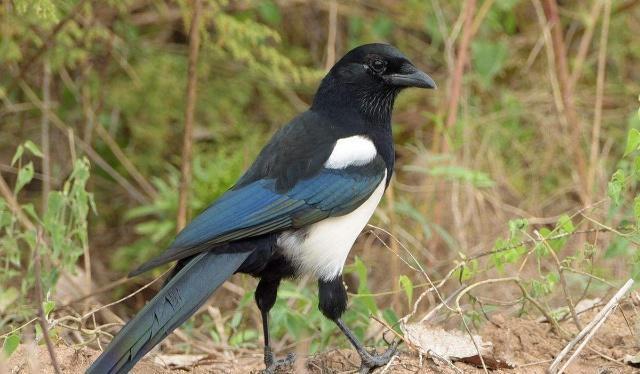
4. Jay
Jays are a bird of the order Corvidae. Their habitat is diverse, and they often appear in human activity areas. They like to build nests by large trees beside residential buildings. Jays are similar in appearance to crows, but their tails are longer, and the most significant difference is that jays have white spots on their bodies, which belong to the third-level protected animals, so we cannot capture them arbitrarily.
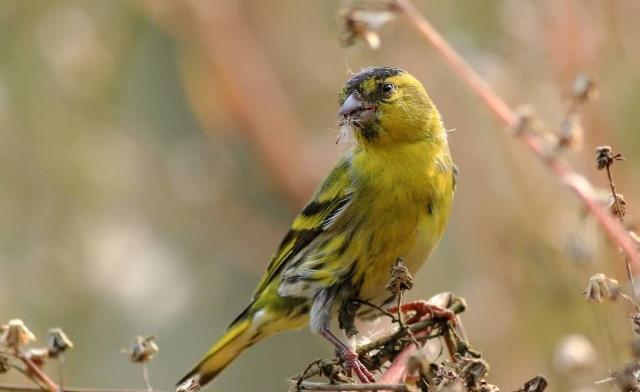
5. Yellow Jay
Yellow Jay is the same species as Magpie, its appearance is basically the same, but Yellow Jay is yellow. It is one of the famous caged birds in China. Its plumage is bright and beautiful, and it has a charming and melodious song. It is also easy to tame, so people like it. Therefore, it is caught and raised in northern and southern China in spring and autumn. Now it is a third-level protected animal. Wild Yellow Jays should not be captured.
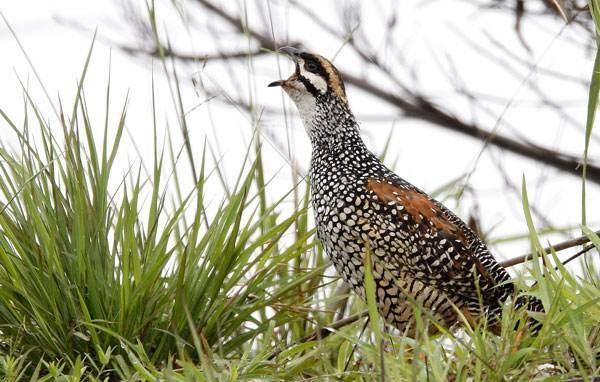
6. Partridge
Partridge mainly lives in shrubs and sparse trees in mountainous areas. This bird often sings on the top of the mountain and on the trees. Its length is about 30 cm, and its feathers are mostly black and white, with prominent eye-shaped white spots on its back, chest and abdomen. It is distributed in southern China and coastal areas, mainly in mountainous areas. There are many kinds of partridge, such as Sichuan partridge, which is a first-level protected animal and one of the world's endangered species. Therefore, don't meddle and don't be careless.
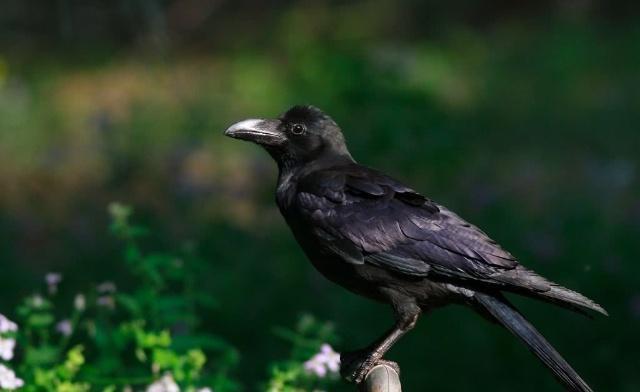
7. Crow
Crow is also known as ‘Old Gua’. Because its voice is very difficult to listen to, people always compare it to death and bad luck. Some superstitious villagers hurt crows. It is common to see them in forests, along roads, on cliffs, in rivers, on coasts, in fields, swamps and grasslands. It is common in rural areas and is a third-level protected animal, so we should not hurt or capture them.
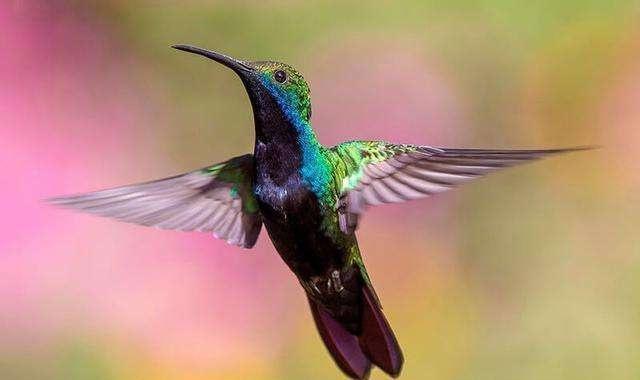
8. Hummingbird
Hummingbird is small in size and flies fast, so it is rare to see it clearly. Sometimes it is mistaken for moths because it is too small. Hummingbird consumes about 90% of its food from nectar, and the rest is from invertebrates, including flies, bees, spiders, beetles and ants. Their long and thin beaks are very suitable for sucking nectar. There are more than 300 species of hummingbirds, some of which are endangered species, so we need to pay attention.
The editor would like to remind everyone that no matter which birds are protected animals or not, we should not hurt or capture them. They are also a part of nature and have the same right to survive as humans. The reason why they are called protected animals is to remind us not to hurt them.” (Source: Oriental Information: Farmer’s Gossip)