Bee Diarrhea? Understanding the Multiple Causes of Bee Dysentery
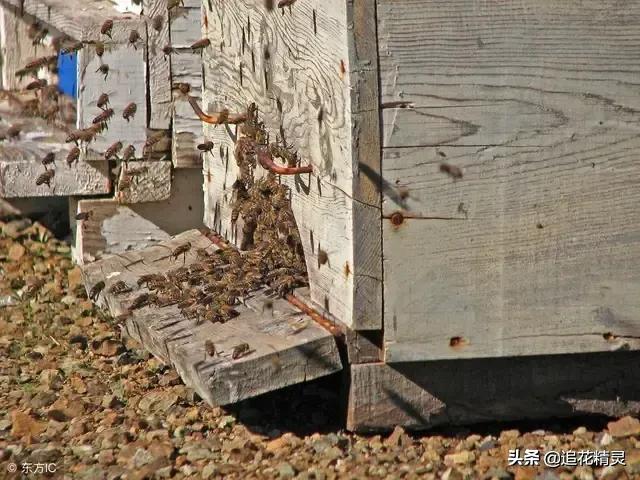
Now is the spring blooming season for bee colonies, and beekeepers want to work hard to make the bee colony prosperous. However, at the beginning of the cold and warm transition, bee colonies are also vulnerable to diseases. Some beekeepers who have just started feeding bee colonies have found that there are large amounts of honeybees crawling out of the hive entrances, and yellow excrement is scattered on the ground, which seems to indicate that the bee colony is suffering from illness.
The disease of honeybees with large amounts of diarrhea is called dysentery, also known as 'large belly disease', which is a digestive disease of honeybees. Dysentery is common in the winter and spring seasons due to cold and wet weather. During the early spring breeding season, dysentery can cause devastating damage to the bee colony. If dysentery occurs, the breeding bees will certainly fail, and the beekeeper's annual beekeeping efforts will basically be in vain. Some beekeepers are very anxious when they see their bee colonies excreting diarrhea symptoms, and they don't know where the problem is and how to control it. Today, we will mainly introduce the causes and methods of treating dysentery in honeybees.
How to judge whether honeybees have diarrhea and suffer from dysentery?
Before talking about dysentery in honeybees, we must first understand how honeybees excrete. It is important to understand the normal and abnormal excretion of honeybees. Only when we understand the abnormal excretion of honeybees can we judge whether honeybees are sick?
1. What is the normal excretion of honeybees?
Honeybees are very particular about excretion, they will not excrete inside the hive, nor will they leave excrement near the hive. Because excrement left in the hive will pollute the hive environment, causing bacterial growth and making the bee colony sick. Therefore, honeybees will never excrete in the hive, even in winter or when it rains for a long time, they will hold it in until they can fly out to excrete outside. Generally, honeybees will not excrete on the outside of the hive, even if it is a long period of rainy weather.
In long-term rainy weather or after the winter, when a large number of honeybees come out, if they are unable to excrete due to the weather conditions, they may leave excrement near the hive. The excrement is brown and spot-like, and the honeybees eat honey powder, which has no smell and little odor. It is not very dirty. When long-term excretion is impossible, it is normal for there to be excrement at the hive entrance. At this time, the honeybees entering and exiting the hive are normal, and there is no excrement on the hive entrance, which is just because the honeybees have been unable to excrete due to the weather conditions, and they will wait until the weather is good before flying out to excrete.
2. What is the abnormal excretion of honeybees, which is diarrhea, like?
If there is no abnormality in the weather, and honeybees can normally move out, there are a large number of yellow excrements at the hive entrance, the excrement is even accompanied by a sour and smelly odor, and there are honeybees with swollen abdomens crawling out of the hive. When the hive is opened for inspection, there are also a lot of brown excrement inside the hive and on the hive walls. This is when the bee colony suffers from dysentery.The characteristic of dysentery is that there are swollen honeybees crawling out of the hive entrance, and the excrement is yellowish and loose. This is a characteristic of dysentery, which is different from dysentery caused by weather conditions. It is mainly whether there are swollen honeybees crawling out, and the excrement entering and exiting the hive is unhealthy.If you have enough experience, you can also judge the cause of dysentery by the shape of the excrement.
Dysentery often occurs in low temperatures. In the Midwest and North, it is more common in the late autumn and winter and spring seasons, especially during the early spring breeding season. Although the temperature in Southern regions is not very low, long-term rainy weather can also cause dysentery. Therefore, dysentery is not simply caused by the bee colony's food being unpalatable. The causes of dysentery are varied, and it is necessary to understand them specifically to take targeted measures.
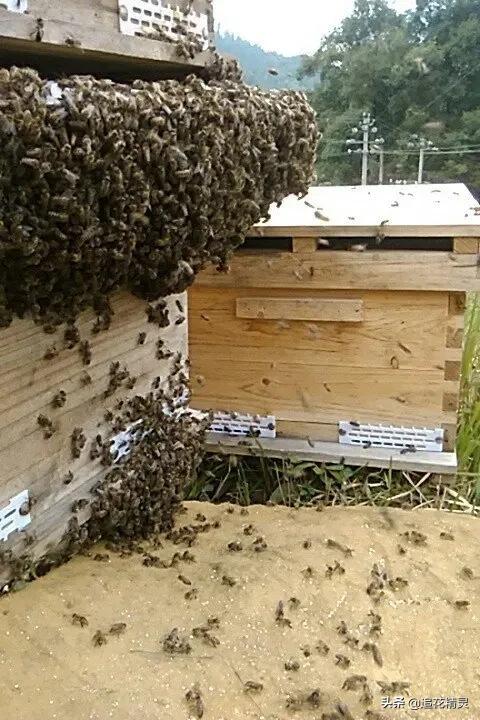
Causes and treatment of dysentery.
The main symptoms of dysentery in honeybees are bloating and diarrhea. It is easy to think that honeybees have eaten bad bee feed, which has caused digestive problems. However, after careful investigation, the causes are various.
1. Eating un-sealed honey.
Adult honeybees mainly eat honey, and when it is exhausted after the winter, beekeepers must store honey for the bee colony to eat. However, when feeding honey syrup, beekeepers blindly feed a lot of honey, causing the honeybees to not fully seal and mature the honey, these unsealed honey contains a lot of water and the sugar has not been converted, the honeybees have difficulty digesting and absorbing, which causes illness.
Unsealed honey will also absorb moisture and ferment, which is harmful to the honeybees. Therefore, when feeding honey syrup, beekeepers must ensure that the honey is sealed and mature before feeding, and feed in small amounts, each time they successfully mature the honey before continuing to feed.Some beekeepers want to save time and feed a lot of honey at once, or cook a lot of honey in a pot. This large amount of honey is difficult for the honeybees to mature. High temperature makes the sugar acidic, and it also makes it difficult for the honeybees to convert sugar. If the bee colony has honeybees that have not eaten sealed honey, the honeybees will take a long time to digest this un-sealed honey, which will cause dysentery.
2. Eating rotten pollen and unqualified pollen substitutes.
During the breeding season, pollen is also what honeybees need to eat. During the early spring breeding season, beekeepers must feed pollen and pollen substitutes to the bee colony. Pollen has a higher nutritional value than honey, but it is easier to rot. The pollen fed to the honeybees is basically fresh pollen that has been dried and sealed, if it contains a lot of moisture and is not stored properly, it is very easy to rot, which will harm the honeybees.
Sometimes pollen is insufficient, and beekeepers will use pollen substitutes or artificial bee feed to supplement pollen. If the pollen substitute is not of good quality, the method is not correct, and the ratio is not appropriate, or the artificial bee feed is of poor quality, it will cause the honeybees to have digestive problems and suffer from dysentery.
It is important to note that honeybees can use pollen substitutes or artificial bee feed to promote the breeding of honeybees, as long as the methods and feed are correct, it can indeed help the bee colony develop. However, honeybees are still wild and don't like to eat artificial bee feed. The pollen substitutes and artificial bee feed that honeybees can eat should not be given to mid-bees.
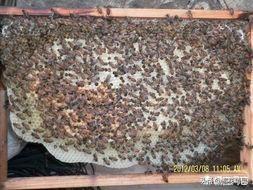
Mid-bees need to feed pollen, and they need to feed pollen in small amounts and with honey.
3. Honeybees cannot excrete for a long time.
Honeybees will not excrete in the hive, and they will not leave excrement near the hive. Because excrement left in the hive will pollute the hive environment, causing bacteria to grow and make the bee colony sick. Therefore, honeybees will never excrete in the hive, even in winter or when it rains for a long time, they will hold it in until they can fly out to excrete outside. Generally, honeybees will not excrete on the outside of the hive, even if it is a long period of rainy weather.
In the winter, honeybees can hold it in for a month or two without excreting, but if the honeybees cannot excrete due to the long-term cold weather, it is necessary to stop the autumn breeding before the last honeybees excrete, and in the winter, if due to long-term low temperature, honeybees cannot come out to excrete, you should choose a sunny weather to stop for a week or two, and place the hive in a warmer place, so that honeybees can have an opportunity to come out and excrete every week.
In early spring, when honeybees are busy, the hive entrance is open, and honeybees need to have an opportunity to come out andをexcrete. At this time, the beehive should not be alarmed, and the hive should not be alarmed.
If the honeybees are frightened by the weather, they will fly away, and in the winter, frightened honeybees will eat a lot of honey and get sick.
Okay, we've talked about everything. It is clear that there are many causes of dysentery in honeybees. We hope that by understanding the causes of dysentery in honeybees, we can take appropriate measures. Now, in early spring, the weather is cold and rainy, and honeybee colonies are suffering from dysentery due to weather and feeding management. I hope this article can be helpful to you, let's successfully complete the early spring breeding, and have a good harvest this year.