Worldwide, Less Than 1,000 Individuals: White-Headed Gibbons Reside in Guangxi, Tourists Pay 80 Yuan to Enter the Protected Area
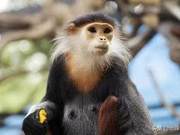
I know a lot about primates. As you may have seen if you've been to an animal park, today I'd like to introduce a peculiar primate that I encountered during my travels – the white-headed gibbon. As the name suggests, white-headed gibbons have white fur on their heads, and their diet mainly consists of leaves, hence their name. The white fur on the heads of white-headed gibbons is particularly peculiar, resembling the 'Automan' children talk about.
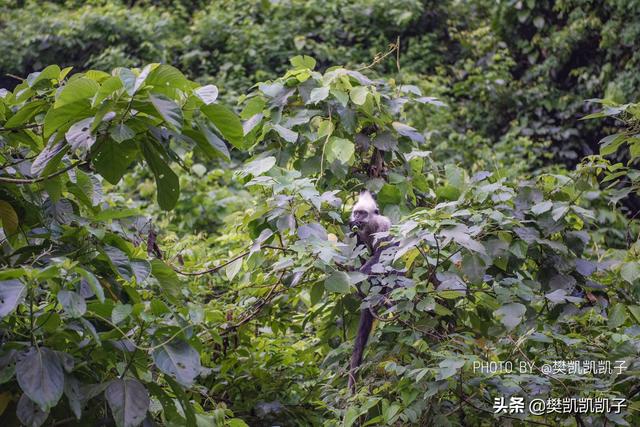
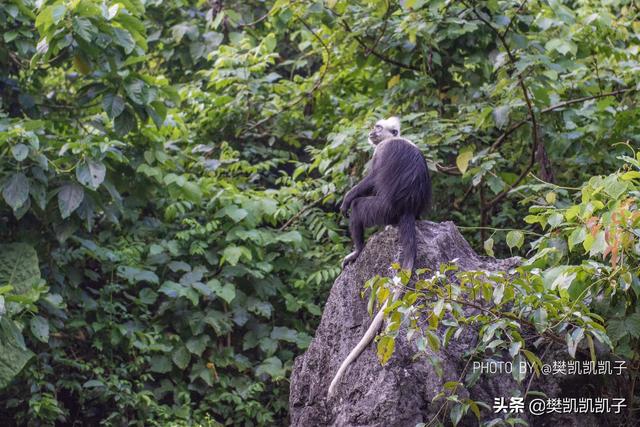
The white-headed gibbon population is very rare, currently numbering around 1000 individuals, and is mainly distributed within a very small triangular area between the Zuijiang and Mingjiang Rivers in southern Guangxi, China. The only area open to tourists is the White-Headed Gibbon National Nature Reserve in Chongzhou City. I was able to observe the white-headed gibbons there up close.
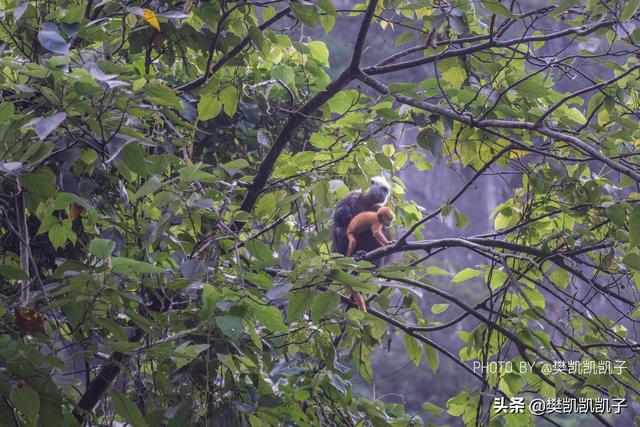
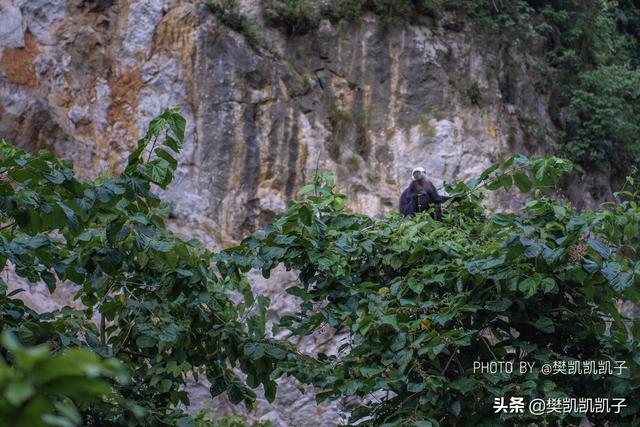
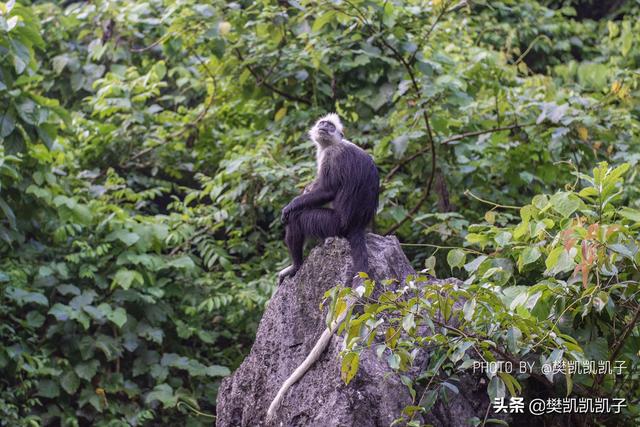
The scenic area is located 30 kilometers outside Chongzhou City, but there's a highway making it relatively convenient. The entrance fee is 80 yuan per person, and there are shuttle buses within the area. The park staff usually reminds you of the times when gibbons are most likely to come out to forage, which is also when they are most easily spotted, as their white fur is very conspicuous.
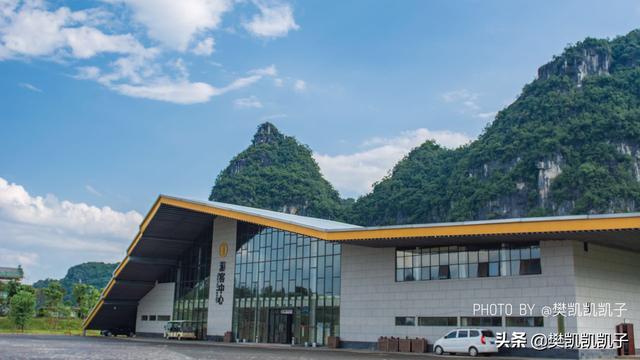
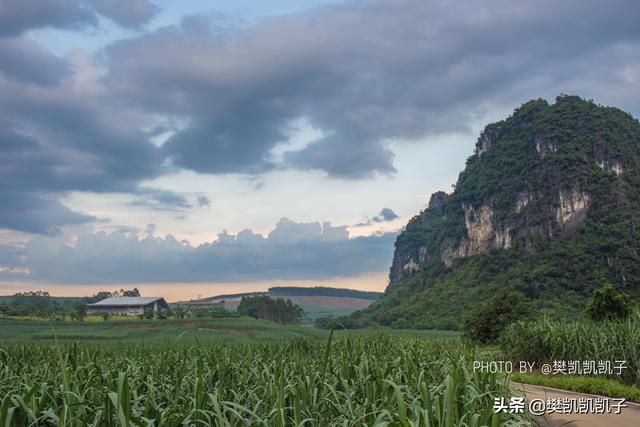
Within the White-Headed Gibbon National Nature Reserve, you can also see vast sugarcane fields – 'sugar cane,' covering a very large area. The park also maintains a very primitive natural ecosystem, a typical karst landscape. When we went, the park was relatively deserted, and according to the staff, tourist numbers are always low. Fortunately, we were lucky enough to encounter a gibbon troop foraging and returning to its nest.
Travel TipsThe White-Headed Gibbon National Nature Reserve is located in the border area between Chongzhou City's Jiangzhou District's Robai Town and Balian Town. Self-driving is the most convenient way to get there. The entrance fee is 80 yuan per person, and it's open from 8:00 AM to 6:00 PM daily. Photography enthusiasts should spend time observing, and don't forget a long lens. Additionally, because of the natural ecosystem, it's important to protect yourself from sunburn and mosquito bites.