The All-Powerful Spider – They Filled the Void of Spider Life in Water
Nature is fair, and every species has its unique survival skills to ensure the development and continuation of its population. However, some species groups often have some atypical individuals, which may not be very similar in appearance to other members of the same species, or even have different living environments and survival skills.
The all-powerful spider
Spiders are a very common 'neighbor' in our lives, they are widespread all over the world, and they have a variety of special abilities. We often see them waiting for prey in dark corners at high places, but if children think that all spiders are hunting by weaving nets in the air, that's a big mistake.In previous articles, the editor has introduced the mole spiders that hunt by digging holes in fields, and the flying spiders, which are truly 'up and down without limits'.However, these special skills are not rare in the nearly 40,000 different spider species.What is truly beyond imagination is the species that can hunt underwater – the water spiders and fishing spiders.
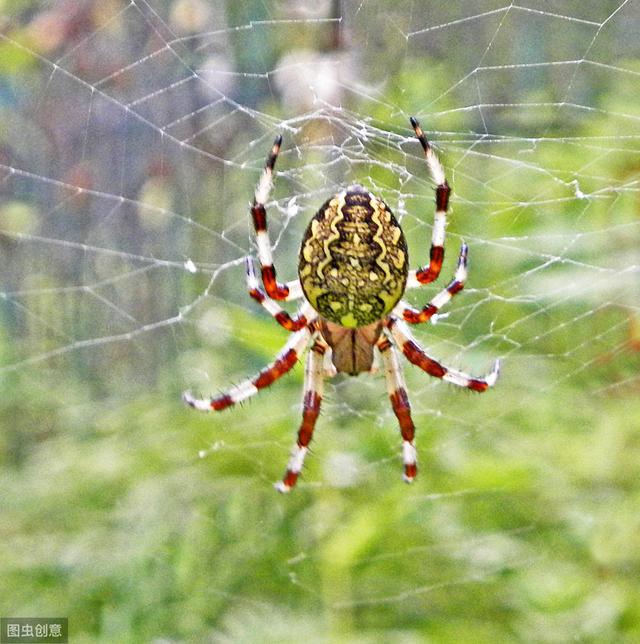
The only spider that lives underwater – the water spider.
The water spider is the only spider that lives underwater, they are not only outstanding hunters, but also superb 'architects'.In order to survive underwater for a long time, the water spiders will build nests among aquatic plants with spider silk, which looks like a three-dimensional bell-shaped bubble, filled with air. The water spiders' moulting, mating, laying eggs, eating, etc. are all done in this special nest.
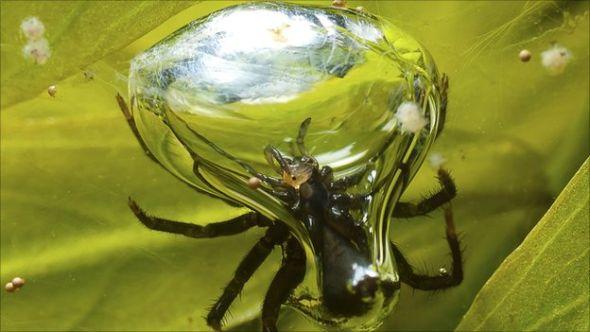
The surface of the water spider's body is covered with hairs that can absorb a large amount of air, so the water spiders will sometimes float to the water surface, using the hairs on their bodies to carry bubbles back to the nest to replenish the air in the nest. The magic of this bubble nest is not only for storing oxygen, but it also has the function of producing oxygen. When the water spider breathes in the nest, the oxygen content in the nest will continuously decrease. Once the oxygen content drops below 16%, the oxygen dissolved in water will automatically supplement into the bubble, maintaining the oxygen needed by the water spider in the nest. However, if the water spider continues to move and consume a lot of oxygen, they still need to float to the surface to replenish the oxygen for the nest.
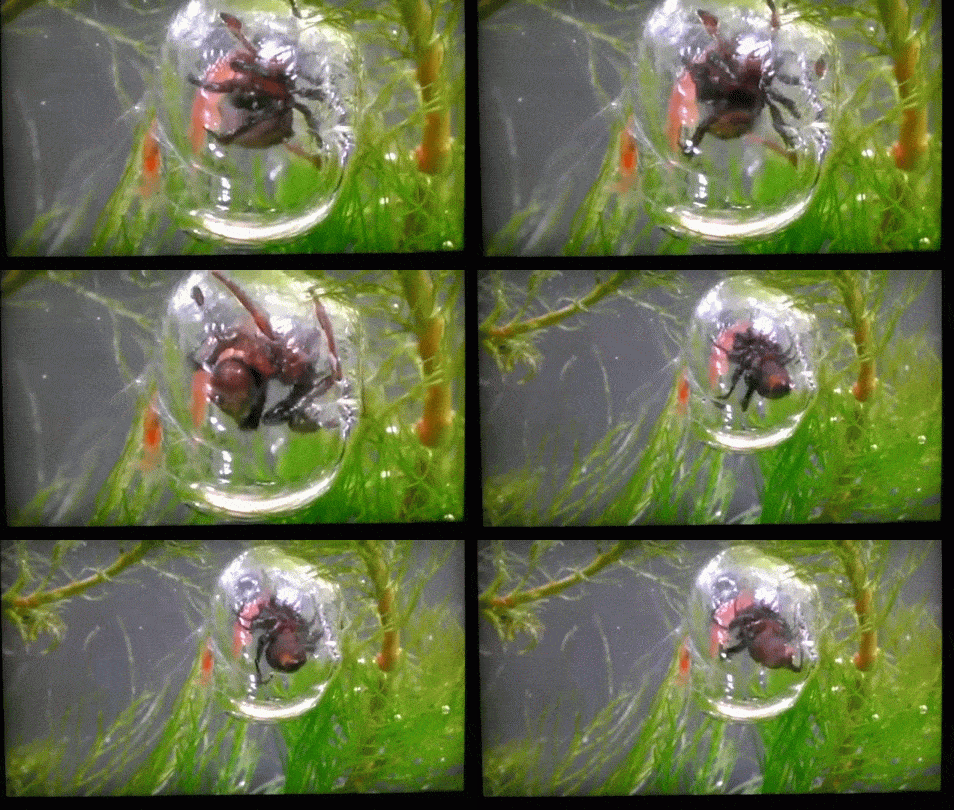
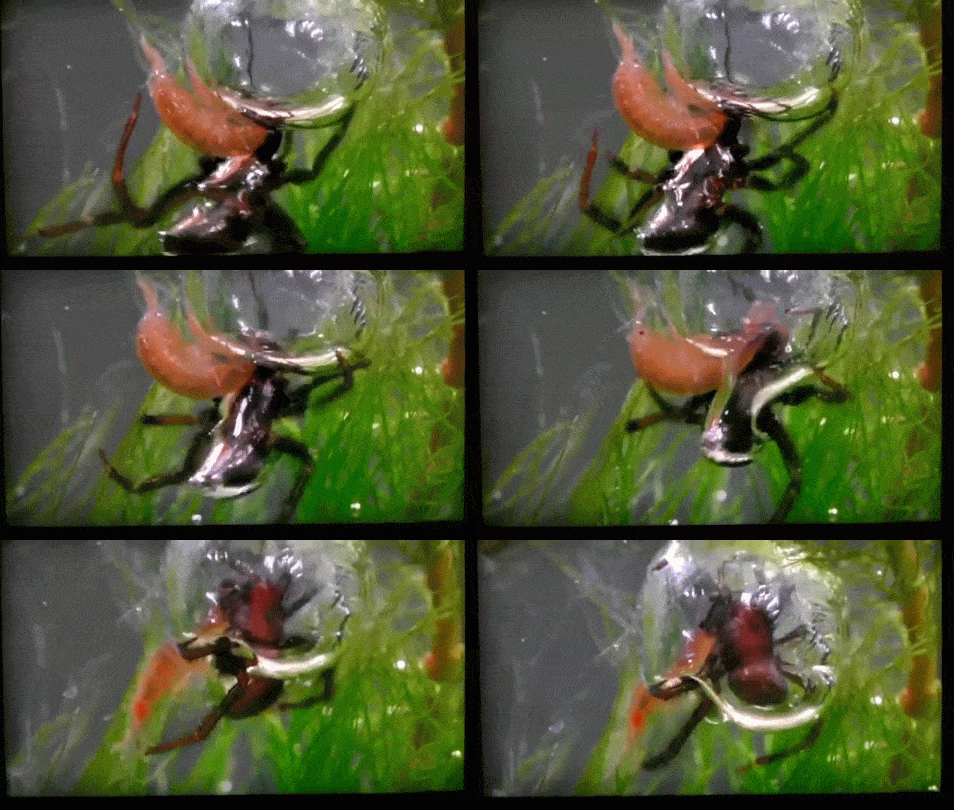
This nest is also called 'physical lungs' by people, because the nest is located between vegetation, it is also a good hunting and hiding place. The water spiders don't need to go out hunting by themselves, they just wait for prey to pass by and then seize the opportunity to catch prey.
The 'fishing master' on the water – the fishing spider
In addition to water spiders, there is also a spider species called 'fishing spider' or 'fish-eating spider' or 'running spider', which lives on the water surface and feeds on plankton and insects. Then how do they fish? Let the editor tell you slowly.
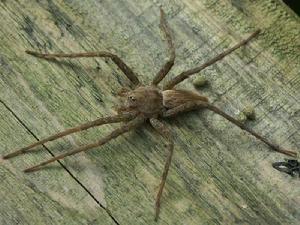
Unlike most spiders, the fishing spiders never weave nets, they instead have the ability to walk and dive to catch fish. They use the air in their leg hairs to dive up to 45 minutes. In addition, they have high-level fishing skills. When fishing, the fishing spiders use their long legs to gently tap the water surface, some insect-eating fish will think it is a bug entering the water, and the fishing spiders can happily welcome the automatic big meal.
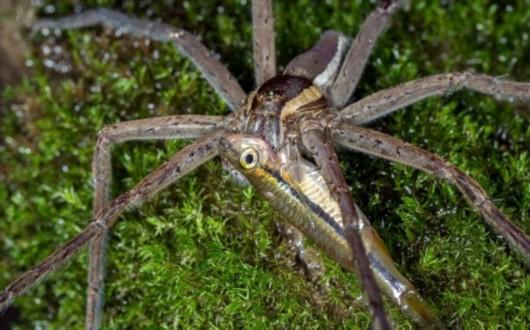
Most spiders have venom glands, and the fishing spiders are no exception. Once the prey is bitten, it will be paralyzed and lose the ability to resist for a short time, and the strong toxins make them powerful predators in the water.
Conclusion
After reading these two spiders, don't you feel that nature is wonderful? All living things have the instinct to survive and eat, and they will create conditions if there are no conditions. This is an important manifestation of biological evolution. Every living thing is trying to survive better, and as top-level creatures in the food chain, what reason do we have to be lazy?