Are Marine Fish Fasting? The Complete Solution with Detailed Steps!
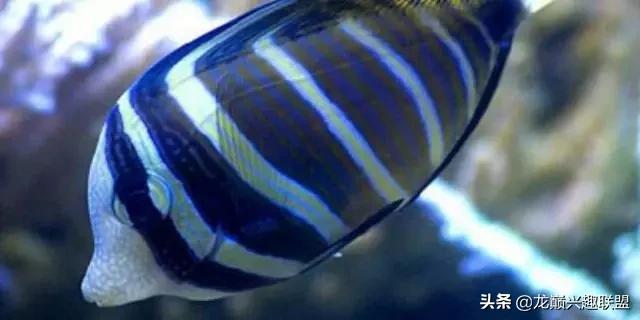
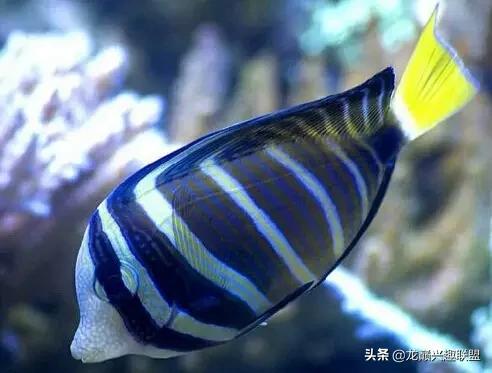
In a saltwater aquarium, after observing the health status of the fish during the purchase, the most concerned issue is whether it can open its mouth to eat.
Generally, these newly arrived fish in aquatic stores need about 2 days or a week to adapt to the environment and accept food.
This is mainly because these fish, when sold layer by layer through various dealers, may stop eating to avoid polluting the water quality in the packaging during transportation, and each dealer has their own way of handling new fish, so these measures are really harmful to the fish. In addition, the cramped packaging way during transportation makes these new fish already very weak and need time to recover. Therefore, the “opening” time is when they adapt to the environment.
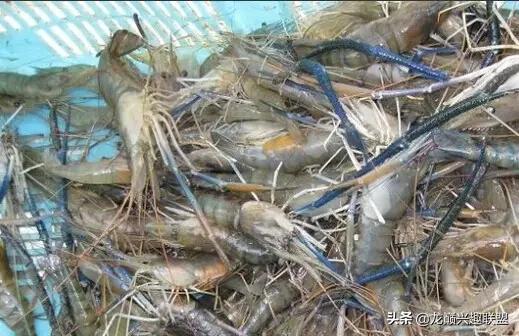
Live bait (such as water fleas, freshwater shrimp, etc.)
Frozen bait (such as freshwater shrimp, bloodworms, etc.)
Artificial bait (such as pellets, flakes, etc.)
Some homemade fresh seafood bait from the vegetable market (such as fresh shrimp meat, shellfish meat, etc.)
Fresh vegetable bait (such as spinach, lettuce, green vegetables, etc.)

Although there are many varieties, these baits are still limited, because natural baits cannot imitate nature. Therefore, some fish that only eat live bait cannot be raised for a long time, or require a lot of care. For example, seahorses, eels, triggerfish, etc. These fish mostly only eat very small live bait, and they don't have strong grabbing ability, so they become a problem even with most saltwater aquariums equipped with strong current and filtration devices, because if the amount of live bait fed is too small, they will likely be eaten by other mixed fish in the environment;
And if the amount of feeding is increased, in addition to considering the pollution caused by residual bait, it is also necessary to consider the pollution caused by excretion after the fish is full. Of course, there is a way to solve this problem, which is to raise them separately, which is very time-consuming and space-consuming... And some flatfish or triggerfish (or other species of fish) also feed on specific live corals or sponges as food, unless the breeder is willing to spend a lot of money to buy these species as food, otherwise it is difficult to raise them for a long time... So not every fish caught from the ocean can be raised in a saltwater aquarium for a long time, because if it doesn't accept food, it will eventually die.
The main reasons for the new fish not accepting food, in addition to the above mentioned status has not recovered and the problem of food objects, may include the following:
After considering and taking corresponding measures for these factors, even any of the four types of bait may be unfamiliar to a new fish. This requires guiding the fish to eat. When the fish adapts to the new environment and adapts to the mixed fish in the feeding space, the competition for bait among the same species stimulates it, and it will also have a try attitude, so the problem of opening its mouth may be solved. However, in the feeding process, it is necessary to consider that some fish are very “particular” and like one kind of unique bait. If they eat it for a long time, they will be malnourished, so it is best to use diversified baits (and take this opportunity to try to convert the feeding habits of live bait, frozen bait, etc. into more convenient, less polluting and more nutritious artificial baits). This increases the opportunity to choose bait, and makes the nutrition balanced;
Moreover, overfeeding, which is a momentary thought of the breeder, certainly makes it difficult for the fish in the aquarium environment to eat equally. However, residual bait is more likely to cause water pollution, even if the biological filter is very powerful, it cannot directly decompose these organic matter; so it is better to choose a small amount of feeding and feeding several times.
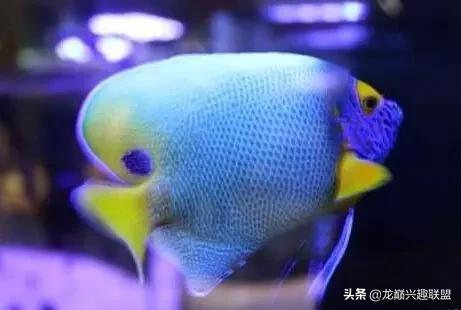
Under the normal bait feeding and fish health conditions, a fat fish does not necessarily mean a healthy fish, so it should also consider short-term fasting measures. After all, fish in the natural ocean also have times when they cannot find food, and in artificial breeding environments, they can find other small microorganisms in the aquarium stone, substrate, etc. in the absence of food for a short time.
However, this fasting measure can only be short-term. According to the introduction from the aquarium exhibition friends, basically, in their super large tanks, fish are fed at least one day a week, and this short day will not affect the health of the fish.
Click to learn more, share your fishing stories~
=finished=