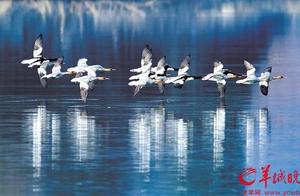
National Level Protected Animal Discovered in Huahai River, Flower Rock Creek!
Recently, a national Grade I protected animal, the white-necked long-tailed duck, was discovered in Huahai River National Forest Park in Dangcheng City, Hengyang, Hunan Province.
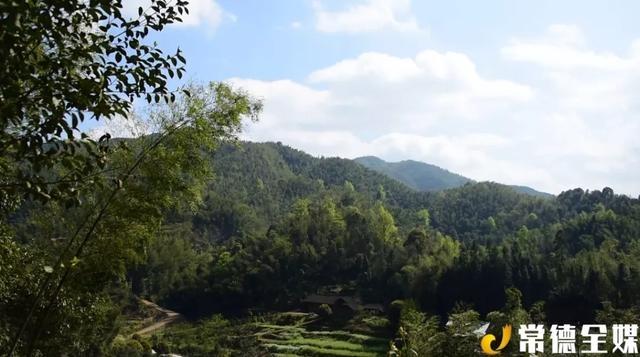
Huahai River National Forest Park, known as 'Forest Oxygen Park,' boasts lush vegetation and a superior natural environment. Every March, it produces a large quantity of spring bamboo shoots. Mrs. Mo Daguo, who lives in Huahai River Village, was digging spring bamboo shoots in her backyard bamboo grove, just as she had done in previous years.
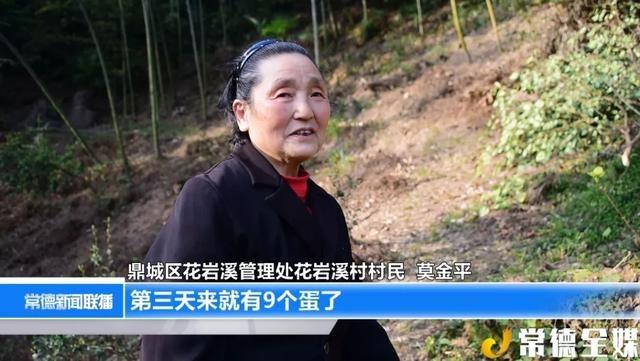
Huahai River Management Office villager Mo Jinping:On the first dayI saw 7 eggs, and on the second day, there were 8 eggs. I thought it was hatching eggs. On the third day, there were 9 eggs, so I came to check it every day.
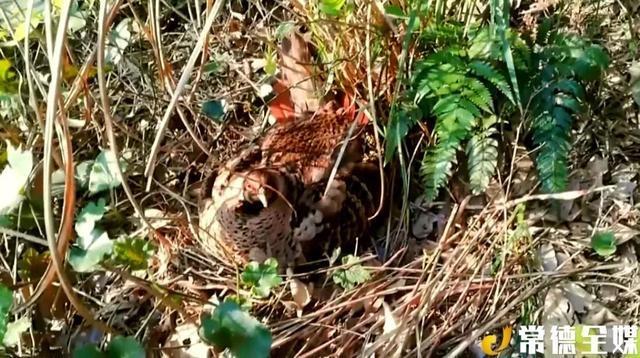
Seeing the mother bird hatching eggs, Mrs. Mo Daguo, fearing it would struggle to find food outside, would always bring it rice and chicken feed when she went up the mountain.
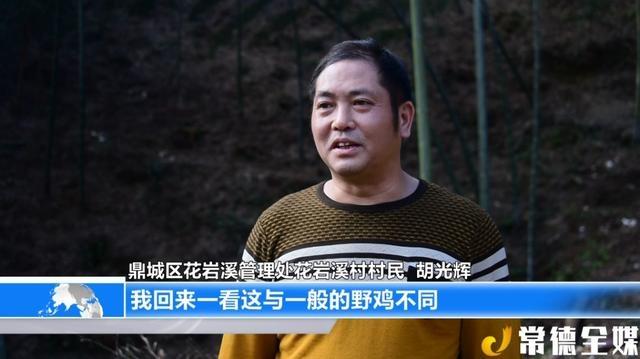
Over time, Mrs. Mo Daguo became closer to the bird, which no longer attacked or fled.Huahai River Management Office villager Hu Guanghui:
I looked and saw that it was different from ordinary wild chickens, so I quickly took a photo and sent it to relatives of the forestry bureau. Our township government also asked me to protect the birds.

After the photo was sent out, it was not known until it was actually seen that Hu Guanghui was frightened. It turned out that this 'wild chicken' was a national Grade I protected animal.Dangcheng Forestry Bureau Deputy Director Yang Fuping:
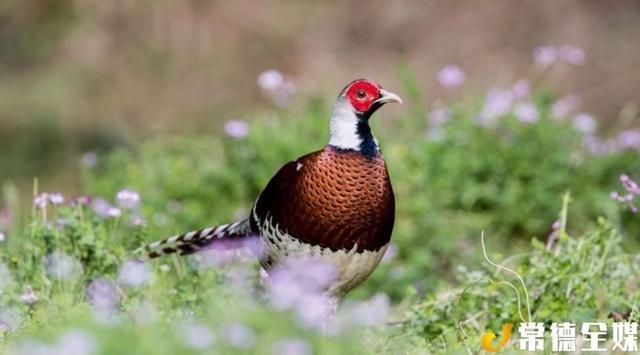
Through our expert identification, we found that this bird is a white-necked long-tailed duck, a very rare bird, and a national Grade I protected animal.
The male white-necked long-tailed duck has a gray-brown head, a white neck, a red face, and a chestnut-colored back, chest, and wings. The female is mostly brown-colored, with black throat and foreneck, and white abdomen. It is mainly distributed in southern Anhui, Zhejiang, Fujian, Jiangxi, Hunan, Guangdong, Guangxi and other areas south of the Yangtze River. Currently, the Dangcheng Forestry Department is closely observing and protecting it.
Content source: Changcheng Release