Do Animals Need Opposite Sex Partners to Reproduce? Not Always, 8 Animals Completed Reproduction by Themselves
In the animal kingdom, most species are sexually dimorphic, and under the cooperation of both sides, they can continue the genetic lineage. However, some species have overcome the need for cooperation and completed reproduction by themselves, which is what we often call asexual reproduction.
Asexual reproduction is a form of asexual reproduction, which is more common in lower-level organisms. For example, soft-bodied animals and segmented animals. Although it is rare in vertebrates, it exists with a probability of about 0.1%.
The reasons for animal asexual reproduction are complex. Sometimes it is simply a unique way of reproduction, it is innate; sometimes it is because male pursuers are scarce or nonexistent, so they have the ability to reproduce; and sometimes it is due to external stimulation, such as bacterial infection or artificial intervention.
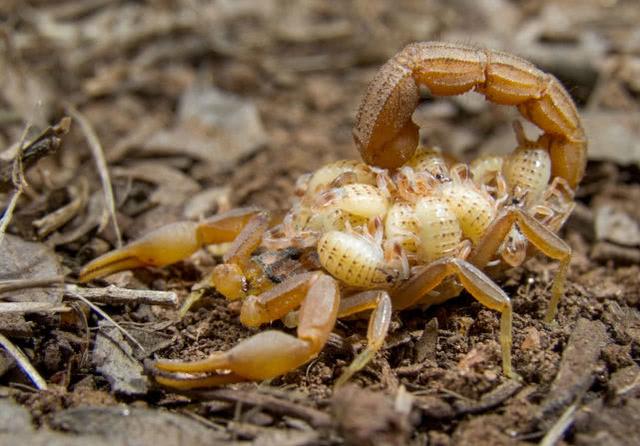
1Scorpions can produce dozens of baby scorpions in one time
Scorpions are arachnids, and are most famous for their venomous stings at the curved end of their tails.
But even more surprisingly, some can reproduce without partners.
There are 9 scorpion species that can reproduce asexually, and they can produce a large number of venomous baby scorpions. The number of offspring varies from two to dozens depending on the type.
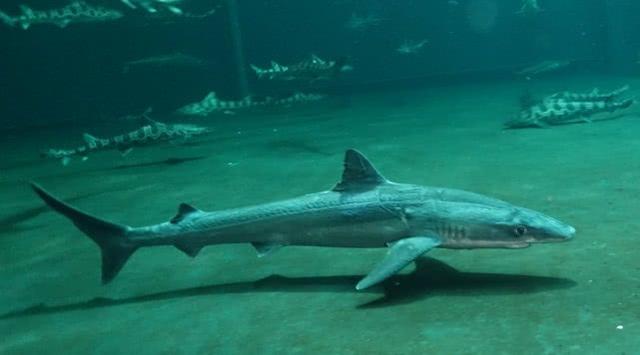
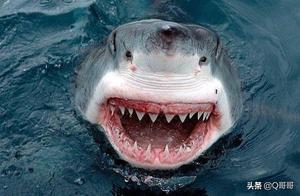
2The peculiar reproduction of sharks worries scientists
It is understood that some sharks can reproduce asexually, such as blackfin sharks, zebra sharks, white spotted bamboo sharks, and hammerhead sharks.
This phenomenon is mainly observed in captive environments. When female and male animals are isolated, female animals have the ability to transition from sexual reproduction to asexual reproduction.
This may be an evolutionary feature that allows a species to survive when mates are scarce, but researchers are worried that this may lead to a lack of genetic diversity, which may threaten the long-term survival of wild sharks.
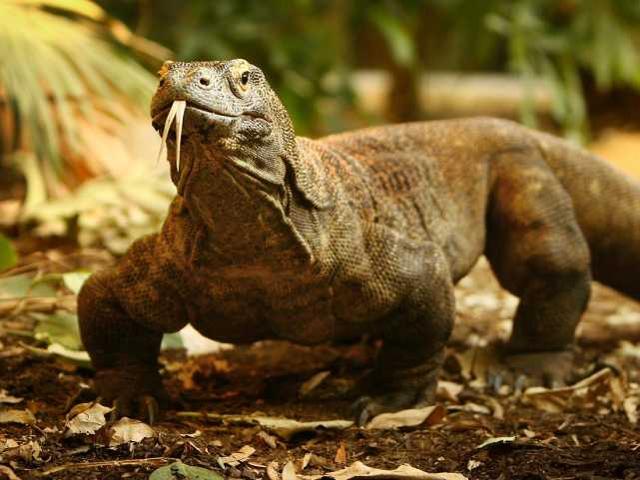
3The survival environment of the Komodo dragon determines their reproductive way
Komodo dragons and scorpions are both venomous, with sharp teeth like sharks and a miniature dinosaur-like appearance. They are a frightening species.
In addition to the reproductive ability of Komodo dragons, they may be the most fascinating species on earth.
In this species, asexual reproduction is considered to be an adaptation to the environment, and in some places, there are no mates to find, so they reproduce asexually.
Female offspring from asexual reproduction are not strictly clones, but rather the doubling of the genes of the female egg, passed on to offspring.
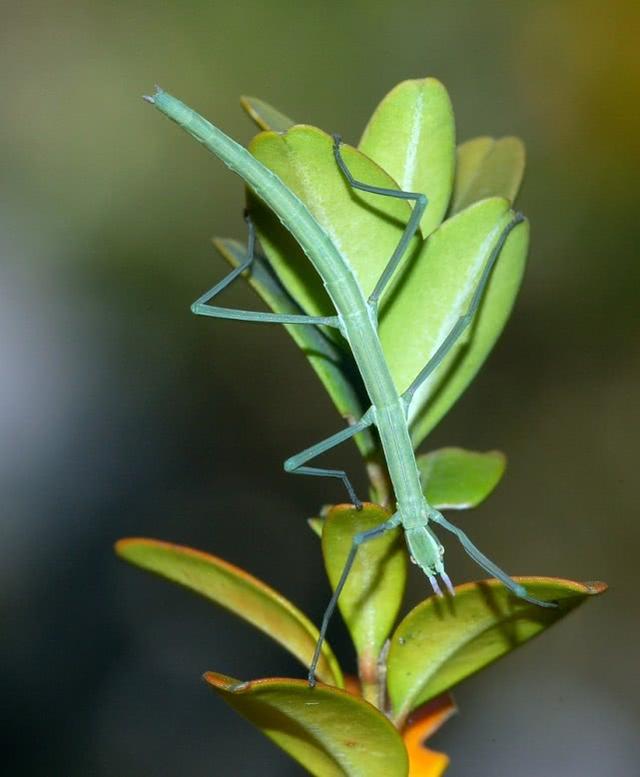
4Sometimes stick insects are clones of their mothers
Stick insects are powerful mimics, completely blending into their habitat in terms of color and body structure. This effective camouflage, along with other defensive features, is believed to have evolved to help insects evade predators.
Some species also have a remarkable evolutionary feature: they can reproduce offspring without another partner. Their offspring are sometimes clones of their mothers, and sometimes not, making stick insects even more elusive.
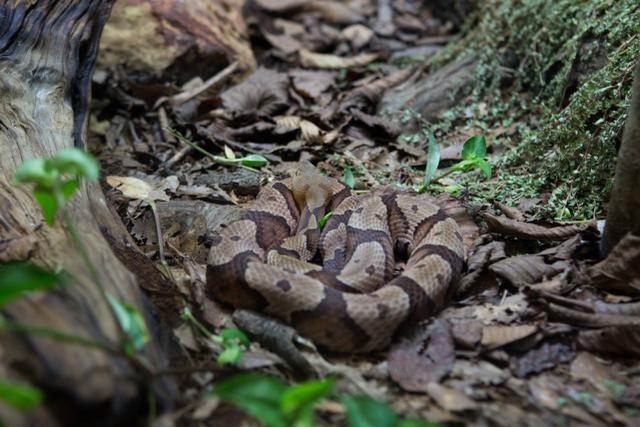
5The preference of bacteria for females leads to asexual reproduction of bees
Wolbachia bacteria have a preference for females and can turn male bee eggs into female eggs.
Female bees infected with this bacteria can reproduce asexually, and the next generation carries this bacteria and produces fertile females and non-fertile males. The infected male will be killed or become female.
The influence of Wolbachia infection is huge, and one day a completely asexual honeybee may appear.
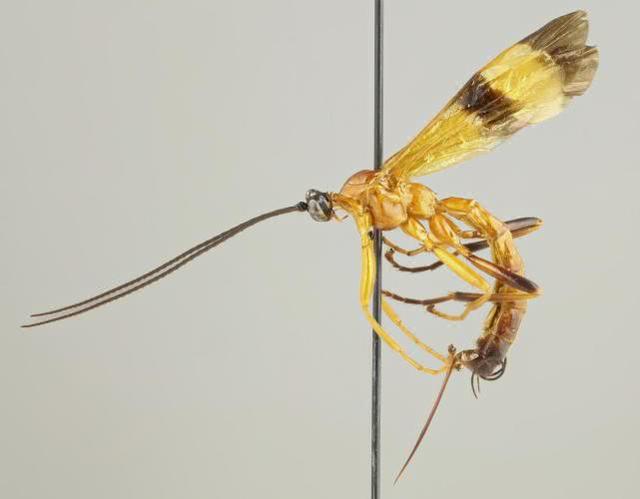
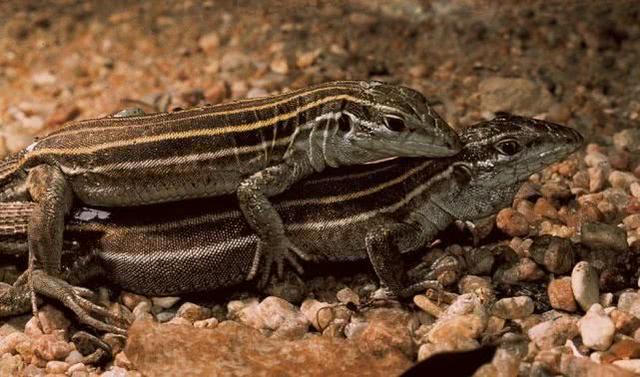
2 female sand aridity grass lizards
Sand aridity grass lizards are distributed in shrubs and deserts, and they are all asexual, and all are females.
Interestingly, despite the absence of males, they still exhibit similar mating behaviors. One female lies on top of another female, stimulating each other, and both will produce offspring that are exactly the same as themselves.
Scientists believe this is triggered by simulated reproductive stimulation.
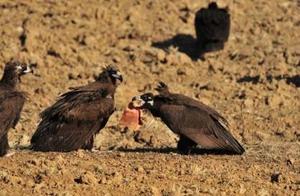
8Some chickens and turkeys have some unfertilized eggs develop into embryos
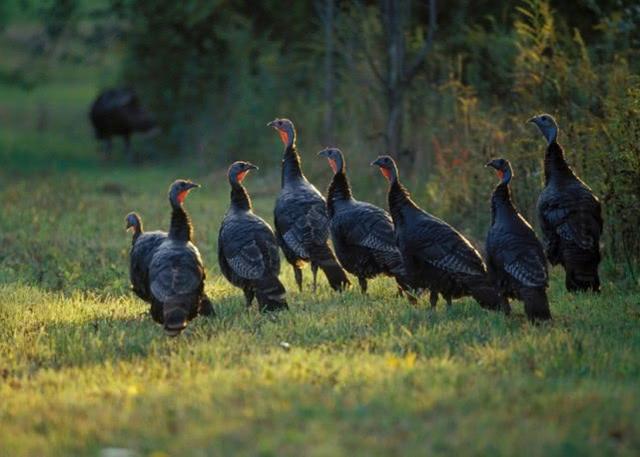
In some domestic chicken and turkey breeds, asexual reproduction has been observed.
As early as the mid-20th century, a study found that in some turkey eggs, 14% of unfertilized eggs developed into embryos.
Another study showed that in some breeds of hens, a similar proportion of asexual reproduction was also observed.
This phenomenon is obviously strengthened by genetic selection, which means that in some lineages of chickens and turkeys, asexual reproduction is more prominent.
8
2014%