Parrot Skin Itching and Hair Loss: Three Types of Mites May Be Involved, and Here's How to Easily Distinguish Them
No matter what pet it is, mites can invade. The main types of mites that parrots are prone to are three: mites, mite problems have plagued pet owners for a long time, and also affect the health of parrots. As pet owners, we cannot avoid this issue, and the key is timely treatment. Some irresponsible owners see their parrots suffering from mites, and after recovery, they recur and are difficult to cure, so they eventually abandon their beloved birds. This behavior is really regrettable.
If parrots show some abnormal symptoms, we can first identify which type of mites are affecting them, and then treat them accordingly. This is a long-term process that requires pet owners to be patient and relieve the parrot's condition to achieve a cure.During this period, parrots may experience mood swings and may become aggressive. Pet owners also need to protect themselves.
Mites can be found everywhere in life, such as bedding, pillows, and quilts if they are not dried for a long time, they may have mites. The fragrant smell of dried bedding is often considered 'mite-baked' by many people. Mites on pillows can cause pore blockage and acne formation. This is a silent 'killer' for countless young men and women. However, mites on these objects do not affect parrots and their mites do not affect human life.
Only three types of mites invade parrots as petsSome live in the skin (scaly mites), some bite and live on the skin and live on the feathers, and some live in the parrot's respiratory system (alveolar mites).
Living under the feathers, like the scales of the skin
Including those in the beak (the fleshy bump above the beak) and around the beak, and the gradually hardened skin around it. This scabs can also appear in the nostrils and the center of discharge from the digestive system and urinary system, as well as on the legs and feet. Scaly mites often live in skin that is not covered by feathers. If observed with a magnifying glass, mites will occasionally enter and exit the skin.
Large parrots are more likely to leave more scabs on their legs and toes, while they rarely have scabs on their faces and eyelids. In contrast, cockatiels are more likely to develop lesions in the face and have less impact on their legs and toes.
Parrots are often itchy and scratch the affected area as the infection develops and the area of scabs expands, mites can seriously damage deep tissues (such as growing the beak), and the beak may suffer permanent damage.At this time, the beak makes the parrot uncomfortable, and they wipe the area to show that they are not in a good condition, and they may not eat or chew with their beaks.As the infection progresses, the parrot's toes may become scabbed and twisted, leading to secondary infections, and some parts of the fingers and toes may stop growing.
Scaly mites sometimes have hidden reactions, some parrots are born with this type of mite, but because of their immune system, the mites cannot grow, but they can infect other parrots, leading to infection, which is why parrots of the same species have different symptoms. The main reason is that they live together.
Biting and attaching to the skin and living on the surface and living on the feathers is less common than other mites. Parrots use their feet and beaks to scratch themselves, which can stimulate the skin and cause feather loss.
If the case is serious, it may absorb the parrot's blood and cause anemia (red blood cells below the normal level). Red mites mainly parasitize parrot feathers and the space between them and hiding places, such as perches and corners of birdcages.In this case,
Parrots are usually restless and scratch at night and become tired during the day. These mites are not easy to find in pet parrots, especially in small birds like canaries. To detect these mites, we need to look for hidden gaps in the parrot's environment during the day.Alveolar mites are more common in smaller 'perching' birds, such as finches. In parrots, especially larger species, their occurrence is much lower.Alveolar mites affect parrots mainly through their respiratory system, such as increased labor or faster breathing. When parrots breathe, they may hear clicking or wheezing sounds. Parrots may cough and sneeze, open their mouths and shake their heads. There may be mild nasal secretions, especially in the presence of secondary bacterial infections.
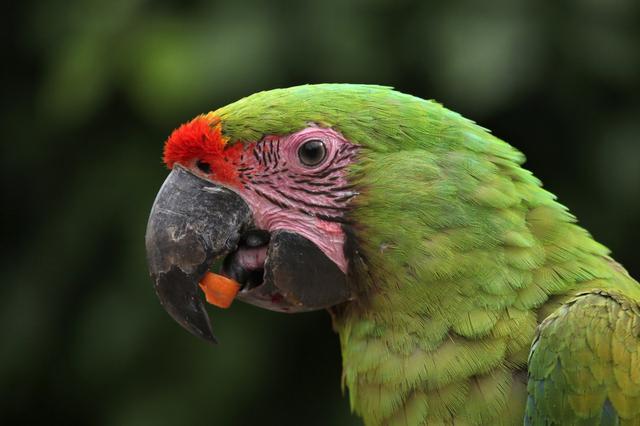
Because the respiratory tract is very narrow, severe alveolar mite invasion can block the trachea and make parrots suffocate. Some parrots are so affected by breathing that they refuse to eat, lose weight, and show general symptoms of illness and drowsiness.
If the infected parrot is added to the flock, these mites will spread between the parrots. Because these mites are hidden in the parrot's system, detecting respiratory symptoms is the only way to detect these mites.Initially, because the number of alveolar mites is too small, the infection may be asymptomatic. As time goes by (months or even years), the mites gradually multiply and increase in number, and then cause outbreaks.
What to do if parrots have mitesIf parrots have any of these three types of mites, it may indicate that the parrot's immune system is weak, the diet is too monotonous, and it needs to consider the parrot's living environment.
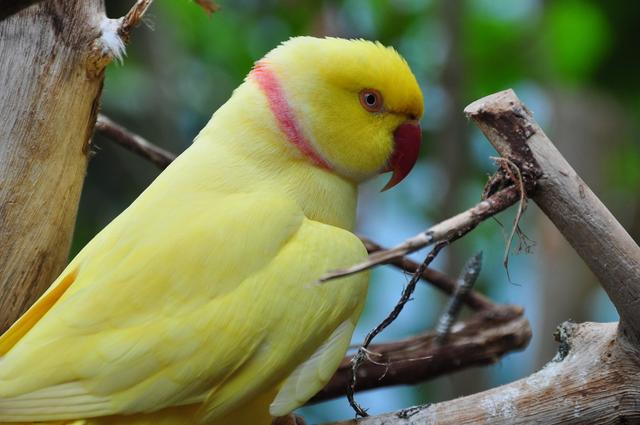
In most cases, mites can only be treated with medication or using olive oil to moisturize the affected area to stop the parrot from scratching.
Treating mites is a long-term process that requires pet owners to be patient, and mites are also easily recurrent, so the best way is to prevent them.
Do not use insecticides to treat mite problems, as high concentrations of insecticides are harmful to parrot health. If the parrot has mites, it is necessary to clean the birdcage specifically or replace the birdcage, which can accelerate the treatment of the parrot's mites. These three types of mites have the same treatment methods, and symptomatic treatment is key.Parrots are relatively susceptible to mites, because their feathers are more easily attached to cats and dogs, so mites are easy to hide in feathers and skin junctions, so pet owners need to think from the perspective of parrots, if parrots are infected with mites, is it related to themselves? Not paying attention to not cleaning the cage regularly, not feeding nutrient-rich food, these are the aspects we need to consider.