Pigs are often considered derogatory terms, but pigs are not as clumsy as they seem; pigs also have behavioral habits.
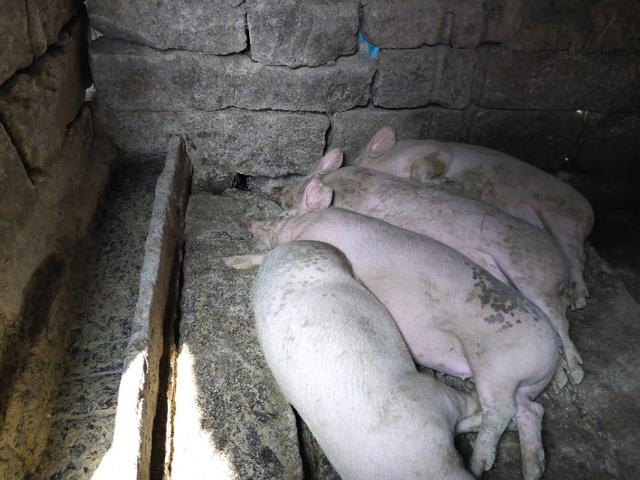
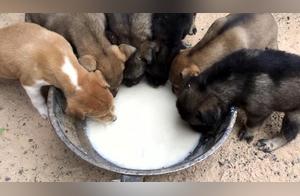
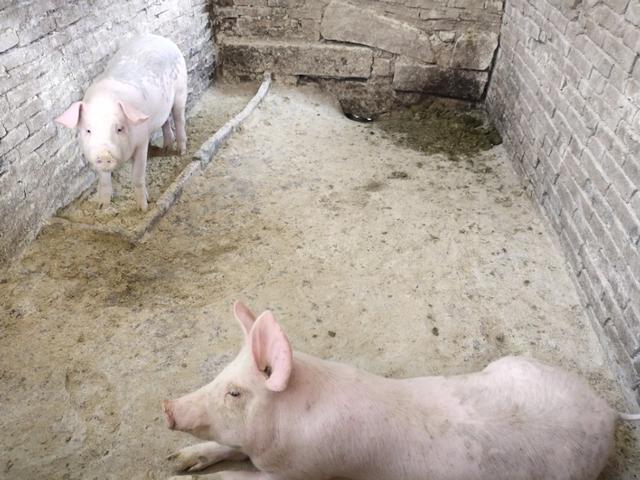
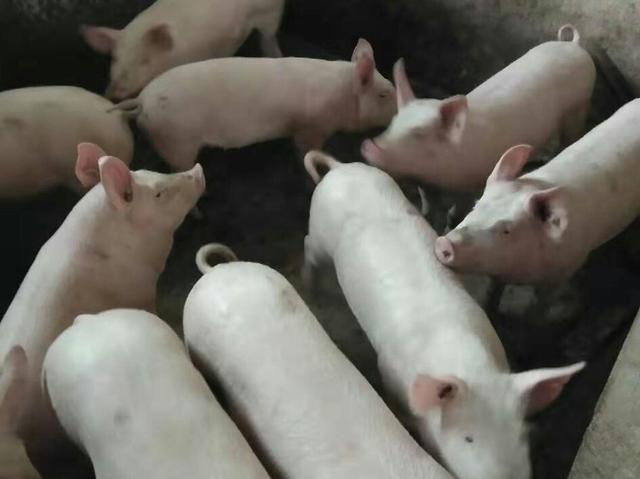
We often say: why can't we do even these simple things, it's simply like a pig. The word 'pig' is often used as a derogatory term in life, doing things badly is said to be a clumsy pig, sleeping too deeply is considered a dead pig. In fact, pigs are not as bad as we imagine, pigs are also animals that love cleanliness, not like us, they don't like to stay in dirty, smelly environments, but they like to sleep in dry and clean places. Pig's Love of CleanlinessPigs have fixed times and places for defecation and urination, generally they are prone to urinate and defecate in a dark and damp corner, such as when you bring a pig home and put it in a pigsty, if you drive the pig into a corner to poop and pee, as long as the pig poops and pees once in that place, it will recognize this place through smell to form a habit of pooping and urinating in a fixed place. However, some pigs break this habit, often pooping and urinating in their sleeping places or feeding places, this is because people have not formed a habit of pigs pooping and urinating in fixed places. Pig's SocialityPigs are social animals, regardless of any pig group, they rely on each other and are familiar with the smell to maintain harmony between pig groups, once a pig group mixes in a foreign pig, pigs will immediately attack if they smell the difference between the smells, which will cause pig fights, and it's hard to resolve, seriously damaging the pigs' ears and necks with many scars. Big pigs can bite and kill small pigs. The temperament of pigs is changeable, it may be social in a few days, and it may still chase and bite each other after a few days. Therefore, we should not randomly dismantle or merge pig groups when raising pigs, when dividing groups, we should divide pigs according to their size, strong and weak groups. Pig's Feeding BehaviorPigs have a wide range of feeding habits, it feels they can eat anything but not all food they will eat, pigs can also distinguish flavors and selectivity, pigs like to eat sweet foods such as sweet potatoes, pumpkins, carrots and other high sugar foods, regardless of what feed it eats, it likes fresh feed, if it's overnight or has a bitter taste, it will use its nose to push it out. Pigs also have competitive eating habits, when feeding a pig, it will come over slowly to eat, when there are several pigs, as soon as the feed is poured out, the pigs rush to the pigsty door to grab food and compete with each other. Therefore, group-raised pigs eat faster and more, and their weight gain is also faster. Pig's Positioning BehaviorIn group life, pigs have fixed positions, whether it's eating, sleeping, defecating, urinating, they have fixed locations. In pig raising, we should take advantage of this characteristic to train pigs to go to designated places to eat, sleep, and defecate, forming the habit of 'triangle positioning', which is beneficial for pigsty environment management, keeping the pigsty dry, and beneficial to the pigs' health. Pig's Burrowing Feeding BehaviorWhen pigs grow up, they like to dig with their noses, if you put a pig outside, it will use its nose to dig pits in the surrounding soil, this is because pigs have developed snout (called pig snout) and can use snout to dig and feed, so when building a pigsty, to prolong the use of the pigsty, the pigsty is usually built with bricks, stones and cement, to prevent pigs from damaging the pigsty. Pig's Heat SensitivityYoung pigs are cold-blooded, and fat pigs are heat-sensitive, especially fat pigs are heat-sensitive, because fat pigs have a thick layer of subcutaneous fat, which prevents a large amount of heat from escaping from the body. When pigs are at high temperatures, they will roll in wet places or water to cool down, and expose the wet side of their bodies to the air to dissipate heat. So in summer, pig raising should frequently water the pigsty to cool down, and two, to ensure the cleanliness of the pigsty, which is beneficial to the pigs' health. Young pigs have less subcutaneous fat, and their skin and hair are also less, they are afraid of cold and wet, so we need to keep young pigs warm and insulated. Knowing the behavior habits of pigs, we should take advantage of these habits to manage pigs, improving economic benefits.
“”