Confucius Temple of Qufu, Shandong: Confucius’ Tomb ('Carrying Sons and Grandchildren'), and Student Zigong's Grief Six Years After
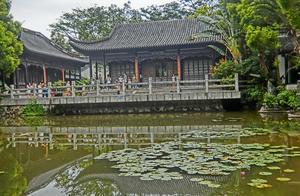
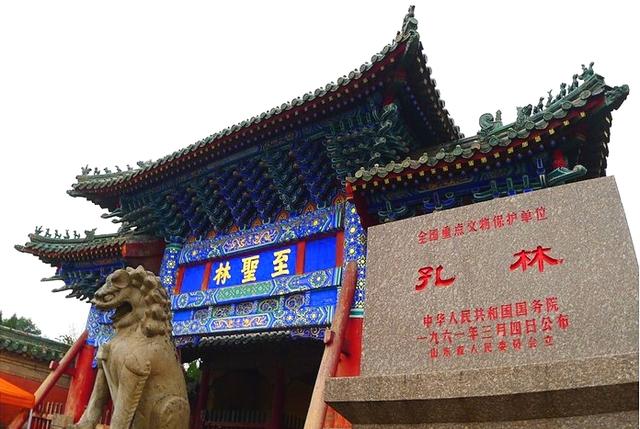
Travel to Confucius' hometown in Qufu, Shandong, and visit the core material heritage sites such as the Confucius Temple, the Kong Family Mansion, and the Konglin. These are must-see destinations for visitors.
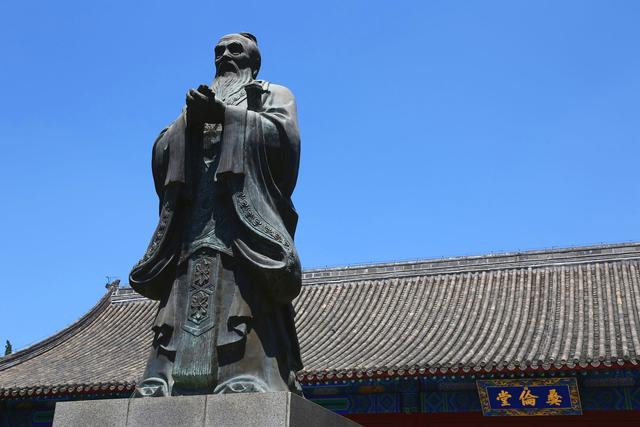
Qufu Ancient City is located in Jinan, Shandong, with a population of just over a million, yet it possesses a grand atmosphere and strong cultural cohesion and influence as the 'home of the Sage.' While the Confucius Temple, the Kong Family Mansion, and the Konglin are the core material heritage sites, Confucius's culture, transmitted through centuries, is what the city's residents are most proud of as their urban spirit.
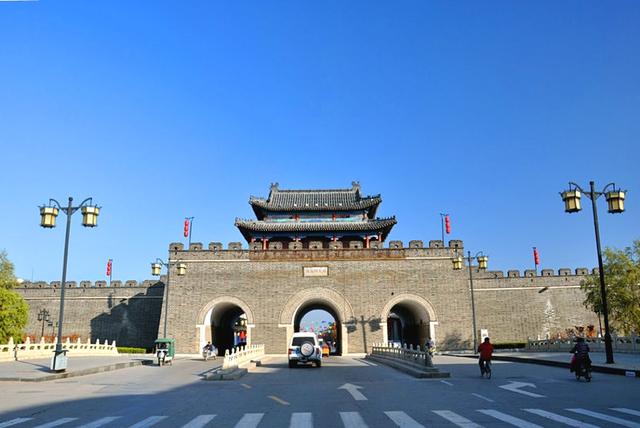
Qufu is a small city located in the south of Shandong Province. Mount Tai serves as its eastern barrier, and the Yi River and the River flow through the city. It is a historic city with a history spanning over 5,000 years, with human ancestors flourishing in the Qufu area since the early days. Four of the legendary 'Three Sovereigns and Five Emperors' of the Chinese nation left their traces here.
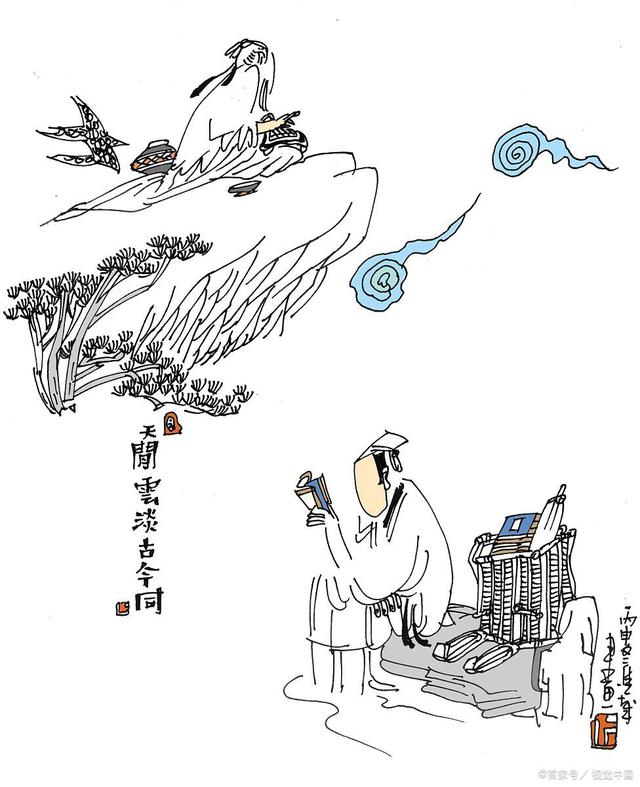
The Analects and Zifu said, 'Be cautious about the end of life and long-term ancestors, and the people's moral character will tend to be virtuous.' The careful handling of funerals and ancestral rites in Qufu, preserved intact, provide a source for tracing and rooting, making the culture rich in origin.
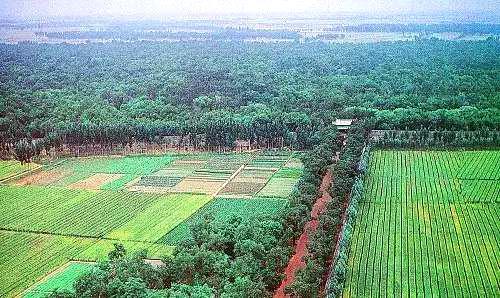
Today, Konglin covers an area of over 3,000 acres, with a wall circumference of 5591 meters, 100,000-plus tombs, 4003-plus epitaphs from the Republican era, 100,000-plus trees, including 4200-plus ancient trees and renowned trees, 116-plus ancient buildings, 85-plus sets of stone statues and instruments, and 100,000-plus descendants of Confucius and the Kong family.
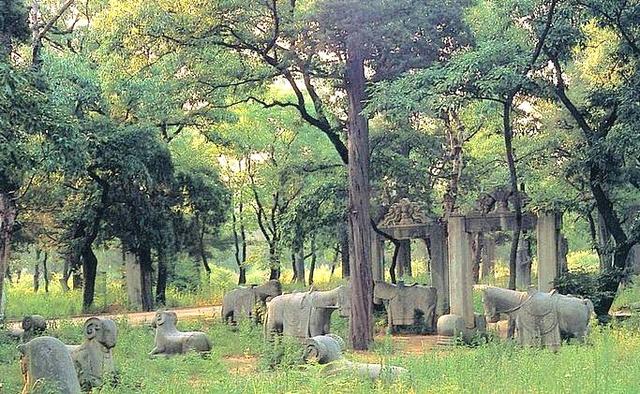
In fact, Confucius's tomb itself is not so prominent and is located low-key in the northwest part of the vast Konglin. The tombs of Confucius's son and grandson, Kongli and Kongqie, are interspersed with his tomb, creating a burial pattern known as 'carrying children and grandchildren.' This burial method is also a characteristic of the Lu people – descendants are expected to accompany their parents and grandchildren, symbolizing prosperous offspring.
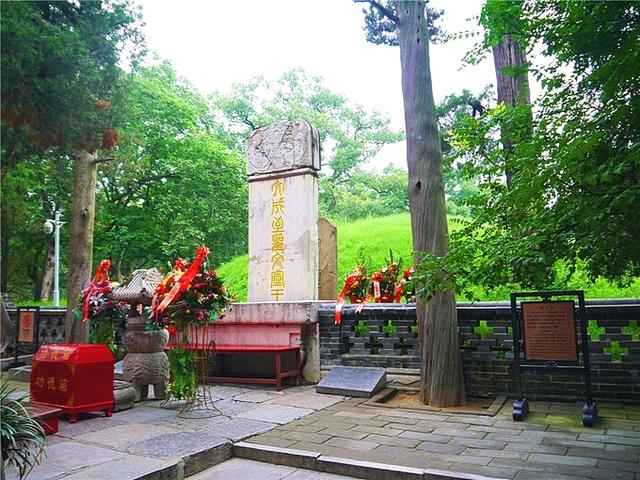
The tomb layout centers on Confucius's tomb, expanding in layers according to the seniority of descendants, while those Kong family descendants who violated clan rules or broke the law would lose the right to be buried in Konglin after death.
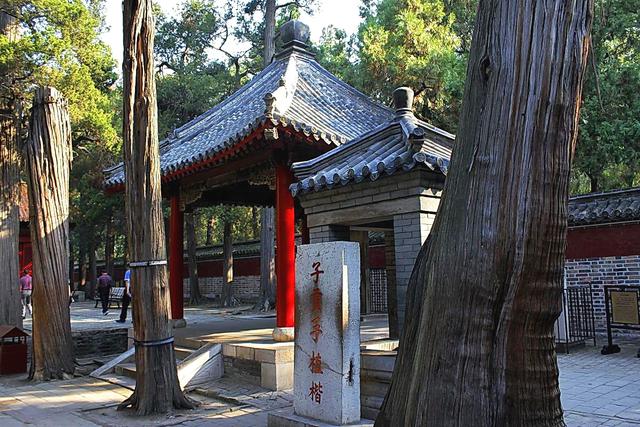
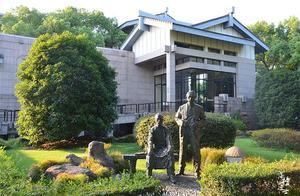
On the west side of Confucius's tomb, there are three small houses built to commemorate Zifu, one of Confucius's most talented disciples. Zifu was one of Confucius's most respected students, and the only one among his disciples who was particularly adept at business. After Confucius's death, his disciples observed a 'heart-mourning' period of three years, and Zifu lived in the tomb for six years. 'The Family Annals of Confucius' records, 'Since then, disciples and people of Lu have lived in the tomb like home, with more than a hundred families, and named the place Kongli.' To commemorate this event, a three-roomed house was built, a stele was erected, and it was inscribed, 'Zifu's Residence.'
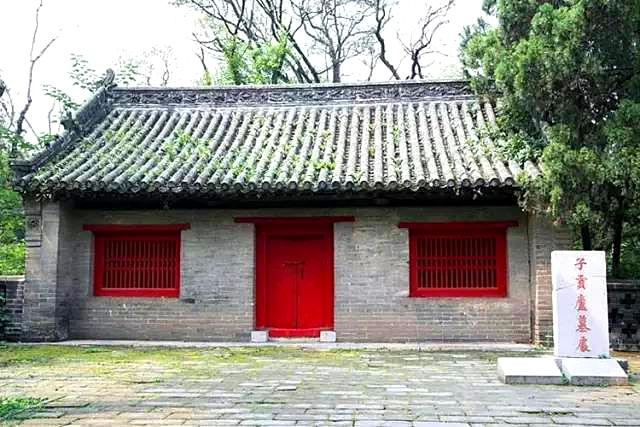
During Zifu's guardianship of the tomb, he introduced the tropical Kaishu wood to the tomb site, which grew into a mature tree and was carved into statues of his teacher, Confucius, and his wife,, to express his deep feelings and reverence.