The Misunderstood La Rong Cuo: Is There Truly No Life?
La Rong Cuo, which means 'toxic lake' in Tibetan, is just a stone's throw from Pangyong Cuo, the 'Sacred Lake'. Standing on the road, you can admire the scenery of the two lakes. Yet, it's just a stone's throw away that the treatment is so different.
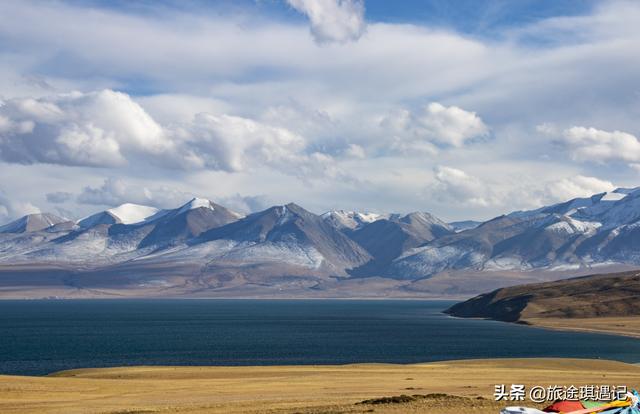
Pangyong Cuo is the holy lake in people's hearts, with the sacred mountain Gang Ren Bo Qi reflecting in its surface. There are many temples of various sects on the lake shore. The sacred lake is revered by Tibetan, Nepalese, and Indian people as the center of the world, and many people come here to bathe and circle the lake. The lakeside is dotted with white hats, and you can feel the sacred atmosphere.
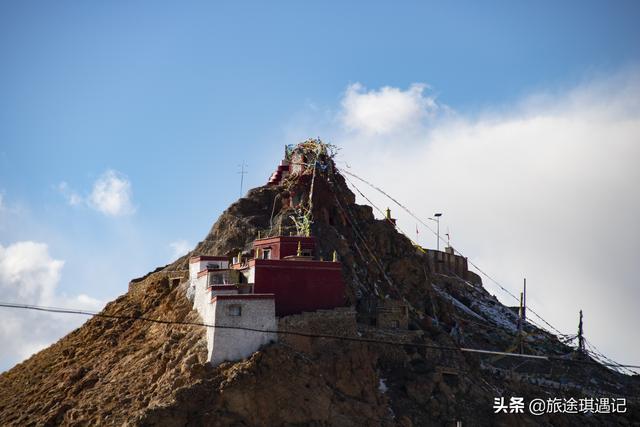
Let's turn to La Rong Cuo, which is filled with countless evil legends. It is said that no animals or people can live here, and it is said that there is a strong wind every day. If any creature comes to the shore, it will be swept into the dark lake water. Some say that there are demons living in La Rong Cuo, and this is the end of the world, the gate to hell. All these legends about La Rong Cuo aroused my interest, could La Rong Cuo really be so scary?
First, I looked at the relevant scientific materials to find out that the original Sacred Lake Ghost Lake was connected, but because of global warming and geological changes, the lake surface subsided, and the two lakes separated. The two lakes are still connected by a waterway, but the water of the sacred lake flows into the ghost lake, and the ghost lake has no outflow channel. With the passage of time, the sacred lake continuously receives snow water from the mountains, becoming clearer, and the ghost lake has an outflow channel, which has become a freshwater lake. The ghost lake has gradually become a saltwater lake through evaporation. The only difference is this.
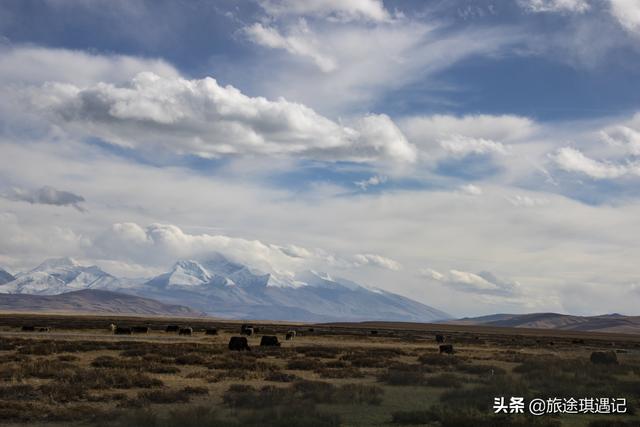
Whether La Rong Cuo is really as scary as the legend, you have to experience it for yourself. Pangyong Cuo and La Rong Cuo are the must-pass roads to Shangri-La. Now the roads are very well-paved, and the roads leading to the border were named as a new national highway in 2019. The first to see Pangyong Cuo from the Gang Ren Bo Qi mountain foot, heading south along National Highway 564, and then see La Rong Cuo first, no matter in spring, summer, autumn, or winter, you can always see the devout Tibetan people circling the lake, giving the lake a lot of legendary colors.
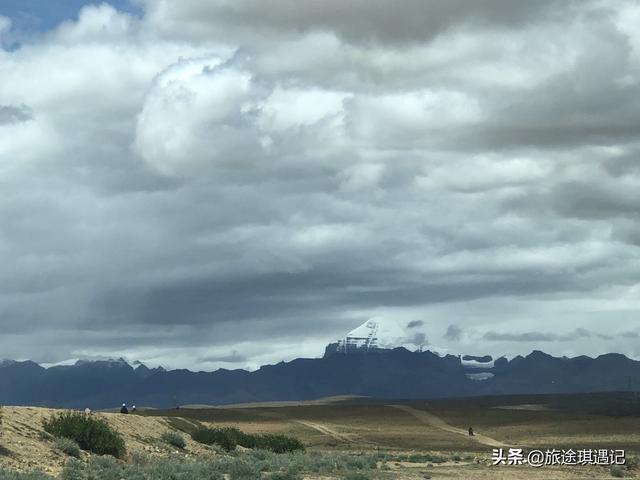
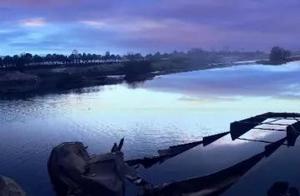
La Rong Cuo is vaguely visible, after crossing a hill, La Rong Cuo appears to us. La Rong Cuo looks more beautiful and bluer, and the blue is very deep, when a cloud covers the lake surface, it feels a little black. Going to La Rong Cuo is like walking on the beach, the sand and stones are very soft, if you're not careful, you'll be sucked into your shoes. The stones on the lakeside are all kinds of shapes, the most eye-catching is a piece of 'pig meat stone', which is naturally pig meat stone, it looks very appetizing, and some look like there are corals hidden inside, shining brightly. It's fun to pick up stones, and you forget that there are 4500 meters of elevation here, let alone how scary this place is.
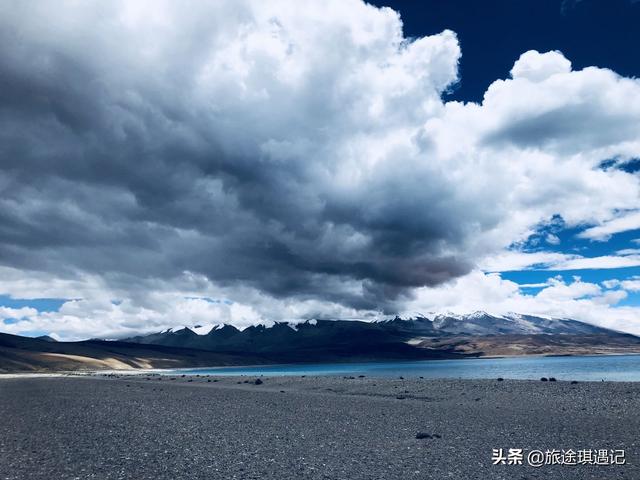
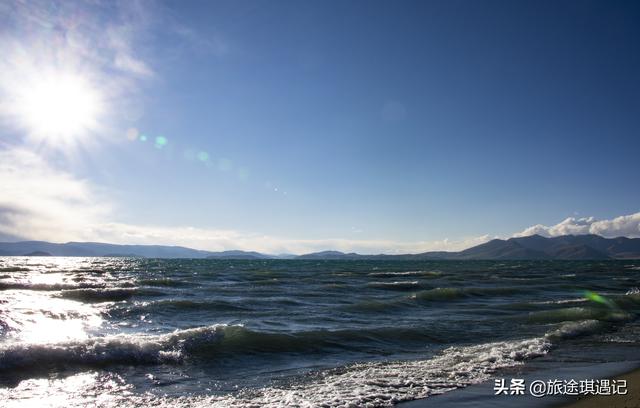
Going further along the lake, there is no one, there is no life, it's not an exaggeration to say there's no life. They say there's a strong wind, but it's more than Pangyong Cuo. Because La Rong Cuo is surrounded by mountains, Pangyong Cuo is surrounded by mountains, La Rong Cuo is more windy because of the different topography. And because of the wind, the surface of the lake is full of ripples, which is very spectacular.
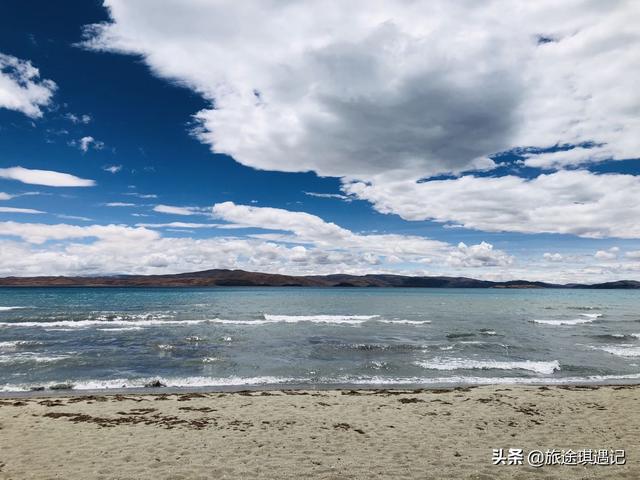

When I heard this, I thought it was obviously not scientific, because a saltwater lake plus the Tibetan people's beliefs, they would never drive their livestock to this place, but the wild animals don't know this legend, there are animal footprints on the shore of La Rong Cuo, and animals come to eat the wild grass on the shore. It's obviously not right to say that there's no life and animals here.
Out of curiosity, I decided to taste the water of La Rong Cuo to see if it was really 'toxic' as the legend said. I carefully scooped a handful and licked it, it didn't taste any strange flavor, just a little salty, a little bitter, compared to the saltiness of seawater, it's ten thousand miles away. It seems that the 'toxic' saying is just a legend. It's just a common saltwater lake in the plateau, and because of the small evaporation amount in the plateau, it's just slightly salty.

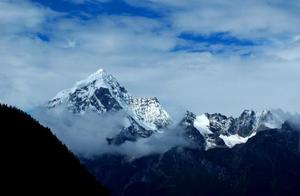
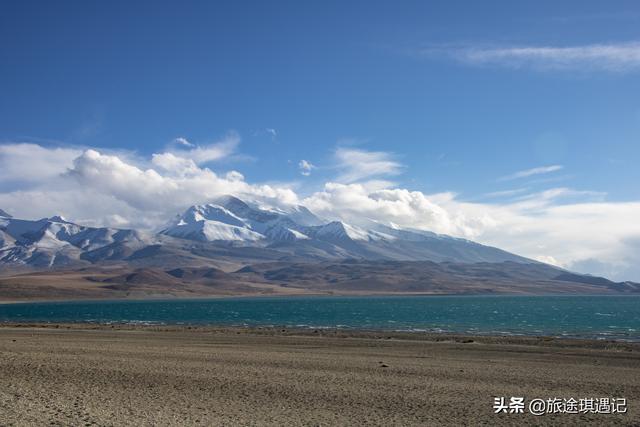
I think under the reflection of the snow mountains, La Rong Cuo is even more pure, without the noise of people, it's like a fairy tale world, unlike the end of the world, the gate to hell.

Then I continued to Shangri-La in the south, the surface of La Rong Cuo looked wider, with the changes in the clouds, the color of the lake surface was sometimes deep and sometimes bright, like inlaid gemstones in the mountains. The mountain Gang Ren Bo Qi is closer to La Rong Cuo, to take a panoramic view of the mountain and lake needs to go to the east shore or south shore, and to take a panoramic view of La Rong Cuo, you can just go to the observation deck next to National Highway 564, which is more convenient.

Looking south is the Himalayan Mountains, and looking north is the Gangdis Mountain's main peak Gang Ren Bo Qi, the mountain and the ghost lake are reflected in each other, which is not incongruous, and both are shocking.

The Tibetan people are a nation that focuses on the soul, La Rong Cuo was fabricated as 'ghost lake' is because of the people's belief in demons and ghosts, highlighting Pangyong Cuo's 'sacredness'. These beliefs and legends are an indispensable part of the journey.