Oxygen Reduction and Fat Loss: How to Train Effectively, and Are Low-Intensity Exercises Effective?
If you're truly interested in fat loss, you might want to take a look at this article. Why should we do cardio, and why shouldn’t we? If your goal is fat loss, what type of cardio should you choose? In fact, some people may feel that fat loss doesn’t require cardio, and to some extent, this is correct. As for why, you may need to keep reading patiently. But first, I want to say that besides fat loss, cardio also has some other benefits.
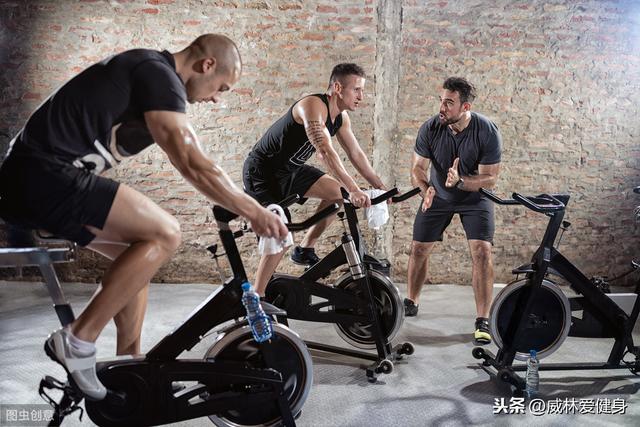
It’s beneficial for your heart and beneficial for your lungs. So avoiding cardio might be a wrong choice. I also want to explain why cardio shouldn’t be the primary tool for fat loss. Although cardio can burn calories, it also has some problems. Our primary tool for fat loss should be to understand our daily calorie intake, which is the only sustainable way to lose fat.
A scientific study well explained this point. They exercised a group of subjects, then asked the subjects to estimate their energy expenditure, and at the same time, let them choose and consume the same amount of calories as their estimated expenditure. Ultimately, they found that people overestimated the calories burned through cardio by three to four times.
And the calorie intake they chose was two to three times the actual required calories. This shows that the calories we burn are not as much as we imagined, but the calories we eat are more than what we actually need to supplement. After saying so much, is cardio really a tool to make us slimmer?
Of course, as long as calorie intake is high, we can ensure high-quality training and improve various aspects of physical fitness. Many people’s goals are not just fat loss, but also to maintain lean body mass. Doing a lot of cardio and limiting calorie intake can lead to a problem that over time, we will lose lean body mass, making our body condition worse than before fat loss. Our goal should be to improve body composition.
Now let’s talk about what types of cardio are suitable.
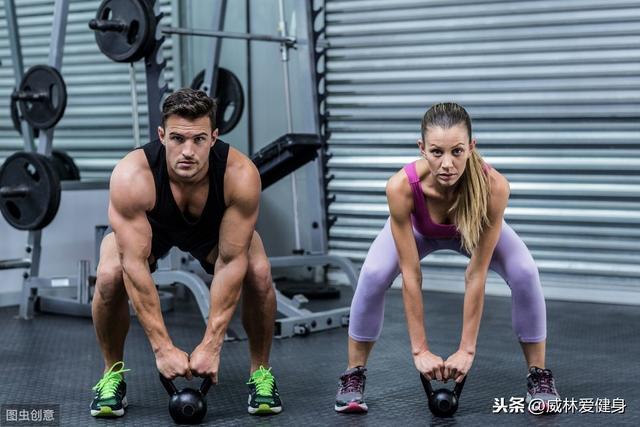
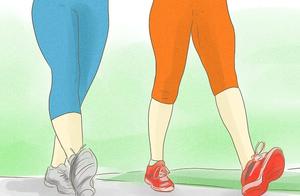
The most common one is low-intensity steady-state cardio. This means walking outside or walking or slow running on a treadmill. Another popular form is high-intensity interval cardio. Everyone is interested in high-intensity cardio because you can burn a lot of calories in a short time.

There is also something called EPOC, which means excess post-exercise oxygen consumption. In other words, after doing HIIT, the body continues to consume calories during recovery, which can create a larger calorie deficit. When you do a lot of high-intensity cardio, such as sprint running, you will feel very tired. The final cost is that NEAT decreases, which means non-exercise activity term, which refers to activities that we don’t consider to be cardio, such as walking and wandering or doing a certain exercise. These activities will not be considered training, and when we don’t do high-intensity cardio, we will reserve the remaining physical strength.
And if you choose low-intensity steady-state cardio, it will take more training time. But at the same time, you will feel more relaxed, you don’t need to spend time recovering. You can walk back and forth in the office for a few thousand steps, and then use a fitness tracker to record data. Recording daily steps is a good way.

Set a goal to walk 5,000 steps or 10,000 or even more steps a day. This will ensure that you have enough calorie consumption every day.
If you're in a fat loss phase, how should you do cardio?

If you start with walking uphill on a treadmill or slow running in the neighborhood, you may feel a bit difficult. If you haven’t done cardio much before, you’ll have trouble breathing. I suggest you start with a lower intensity, 3-5 times a week, each time for 10-15 minutes. Your body will gradually adapt, and after doing cardio, you will feel comfortable, and you will love cardio. So start slowly, don’t put too much pressure on yourself.

If you feel too tired before completing it, let it go, and try again next time. Of course, I’m talking about feeling too tired, referring to the physical inability of the body to withstand such training volume, not just the psychological feeling of laziness. But as long as you persevere, as long as your body is healthy, you will adapt to cardio training quickly. Your lungs will breathe better, and your heart will beat better. Doing cardio can improve our cardiovascular function.

What types of cardio are particularly good?
Personally, I recommend walking on an inclined treadmill. It has a smaller impact on the body, and it doesn’t affect our training as much as high-intensity cardio, so we don’t need long rest times. We can still train in the gym normally. Through walking cardio, we can create a calorie deficit.
What’s a good fat loss rate?