Is Freestyle Rotation Difficult? Start with These Four Movements
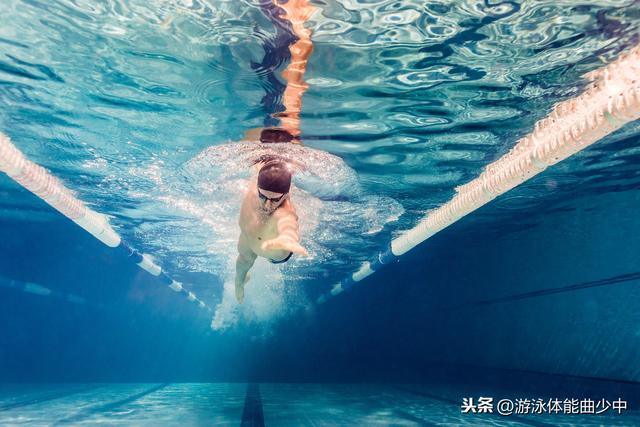
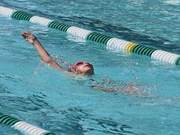
People often ask me about the trunk rotation angle in freestyle and backstroke. The answer to this question is simple: slow stroke a bit larger, fast stroke a bit smaller, or even no rotation. But once we know this simple answer, can we really achieve it? Can we achieve smooth and independent rotation?
Anti-rotation ability of swimming
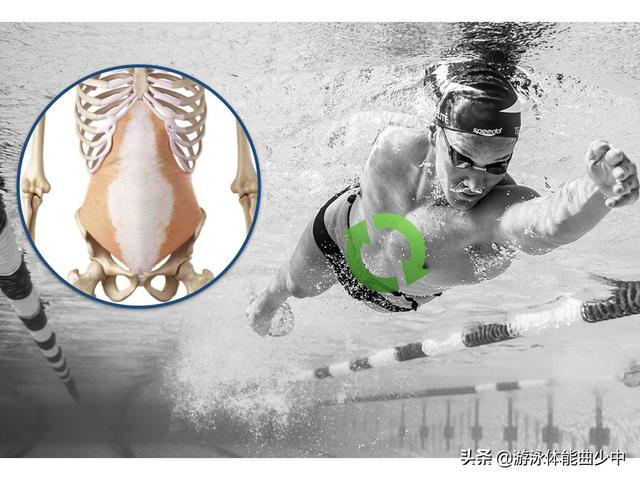
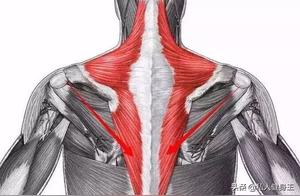
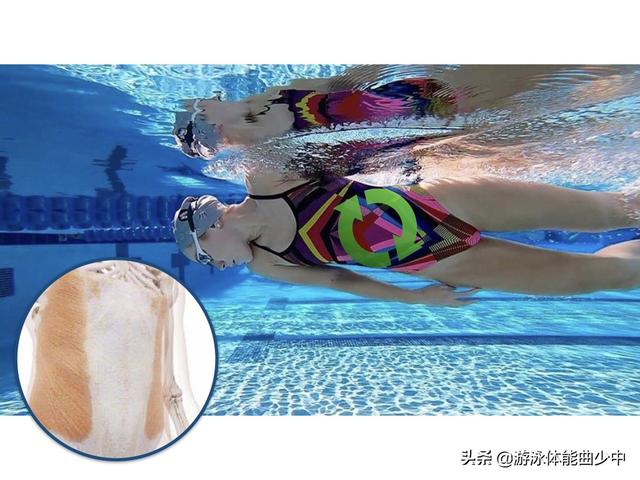
From a functional anatomy perspective, the deep, medium, and superficial abdominal muscles each perform the functions of stabilization and rotation.
For example, when we do slow freestyle, although we appear to be 'rotating', when the rotation reaches a certain degree, our deep abdominal muscles will automatically tighten to fix the vertebrae and protect the organs from injury.
While the superficial muscles have both rotation and 'stability' functions, ensuring we don't be pushed away by our upper limbs and lower limbs during quick entries, affecting streamline.
Who supports your anti-rotation function
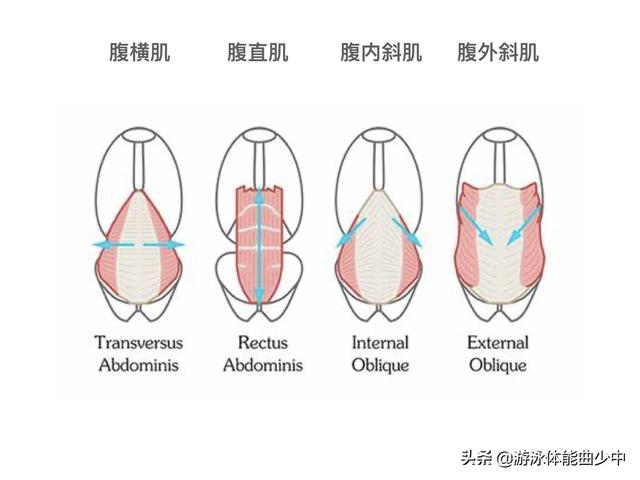
Rotation mainly occurs across the human horizontal plane, so let's explore the muscles responsible for this plane movement, helping us better understand what 'anti-rotation' (or rotation control) really is.
Deepest abdominal muscle
The function of the abdominal muscle is abdominal organ compression, as well as abdominal wall tension. The attachment area ranges from ribs to pelvis, with a large attachment area. This is exactly what we often say about pre-breathing and tightening the core. The stability base of jumps, butterfly pre-extension, freestyle rotation and other stretching movements is based on it. If its function is not enough, the action often looks inward a bit 'overstretched'.
Both lateral abdominal muscles
The inner abdominal muscle is located on the inner side of the abdomen, and its bidirectional contraction can increase abdominal pressure (imagine pinching your waist with your hands), a single-sided contraction can bend the trunk outward and rotate the spine towards the same side.
The outer abdominal muscle is the largest and shallowest muscle, it has the functions of compressing the abdomen, bending the trunk and rotation. It is extremely important for the standard movements we say in swimming to 'flex and extend' smoothly. Therefore, we say that swimming players with thin waists may not be quite right, unless their level is not high. We can see 'bucket' waists in world-class athletes.
Rotation stability practice methods at home and in the pool
Use a resistance band to practice at home and in the pool.
1. Single-knee kneeling forward push
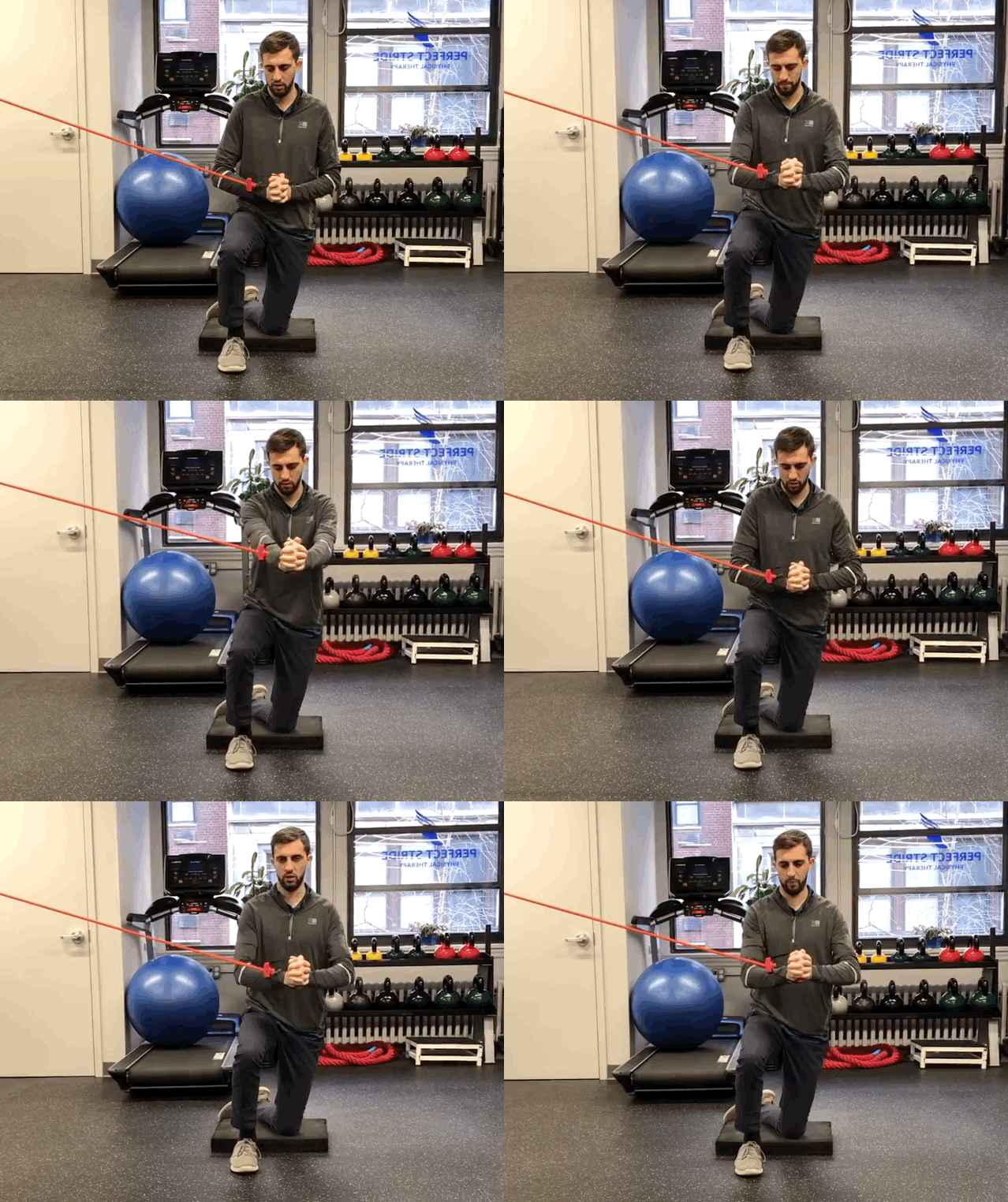
- Support the legs stably, with the (tǐbào - tibia) vertically on the ground;
- Tighten the core pre- (as mentioned above);
- Hold the resistance band in front of your chest, gently forward push to feel the abdominal contraction;
- After finding the feeling, slowly forward push, slowly retrieve;
- Do the action while breathing, about 10 times, remember to change legs and have another side.
2. Double-knee kneeling forward push
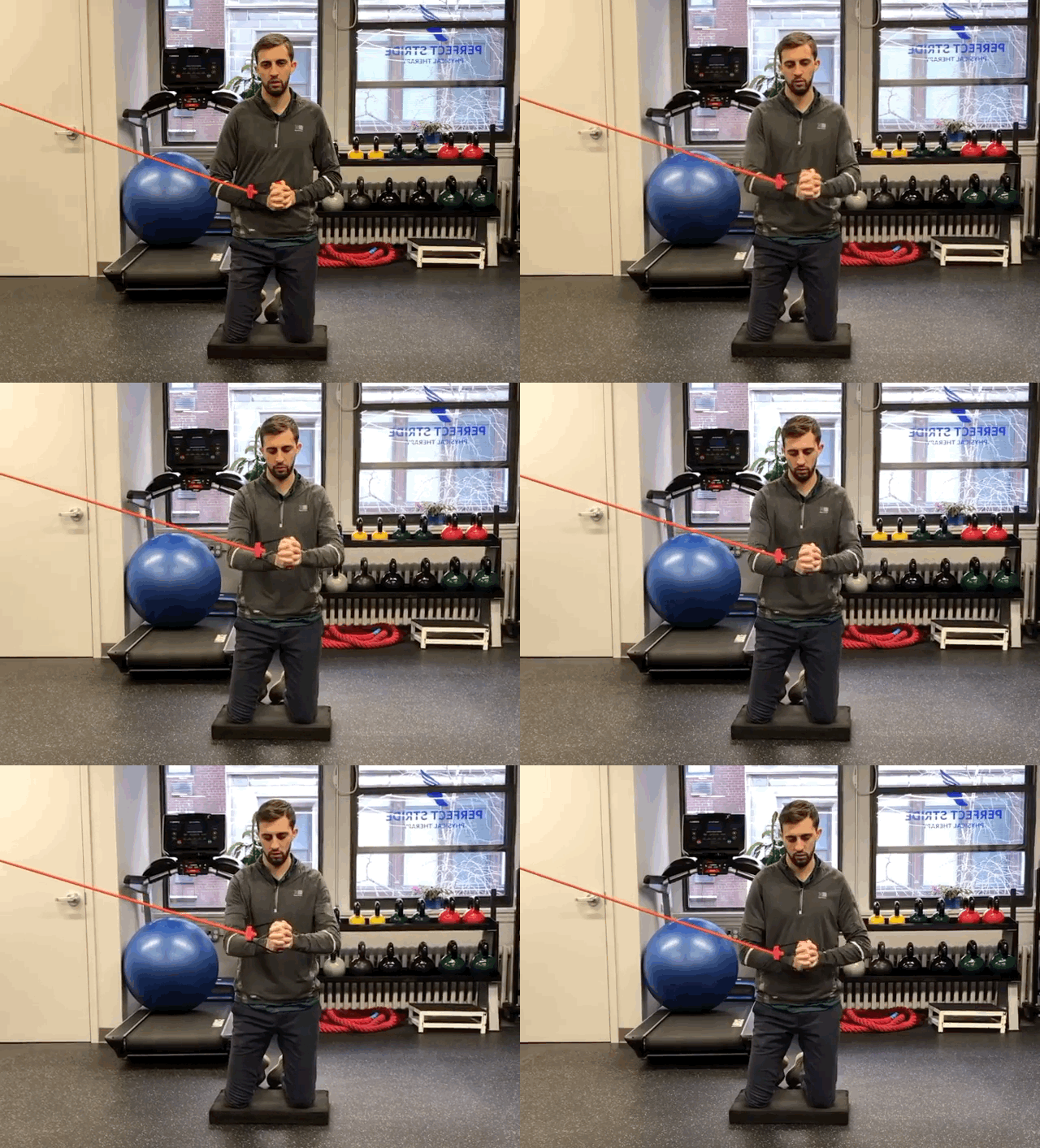
- When kneeling with both knees, the trunk load increases, requiring us to further tighten the core;
- The pelvis is slightly reclined, tighten the core;
- Forward push to find abdominal feeling,
- After finding the feeling, slowly forward push, slowly retrieve;
- Do the action while breathing, about 10 times, remember to change legs and have another side.
3. Hip extension forward push
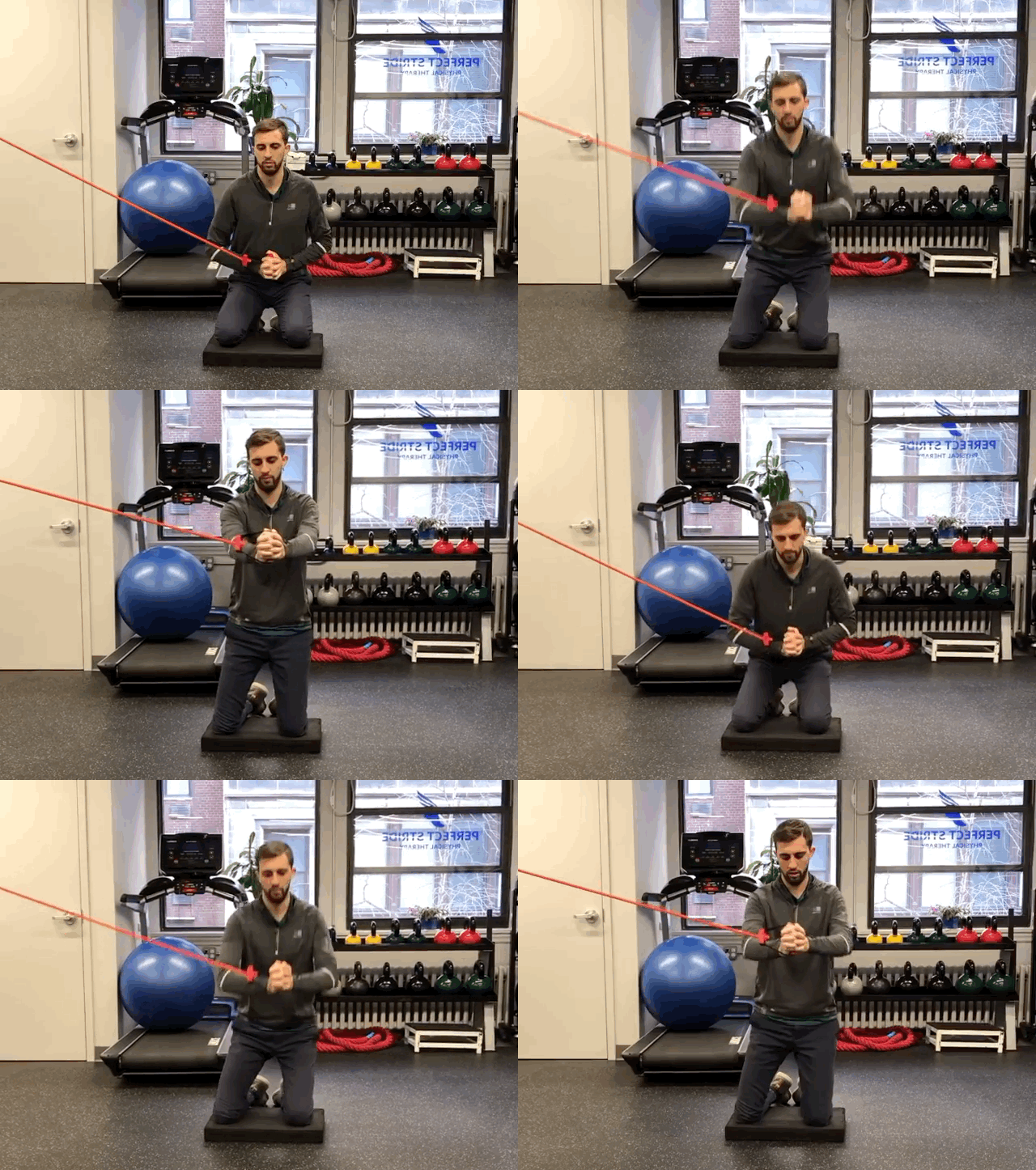
- Increase the hip extension action to further enhance the overall movement ability;
- When the hips are extended, the trunk extends, feeling like hanging the body;
- Arms are folded in front of the chest, hip extension, forward push with hands;
- After finding the feeling, slowly forward push, slowly retrieve;
- Do the action while breathing, about 10 times, remember to change legs and have another side.
4. Kneeling straight-arm extension
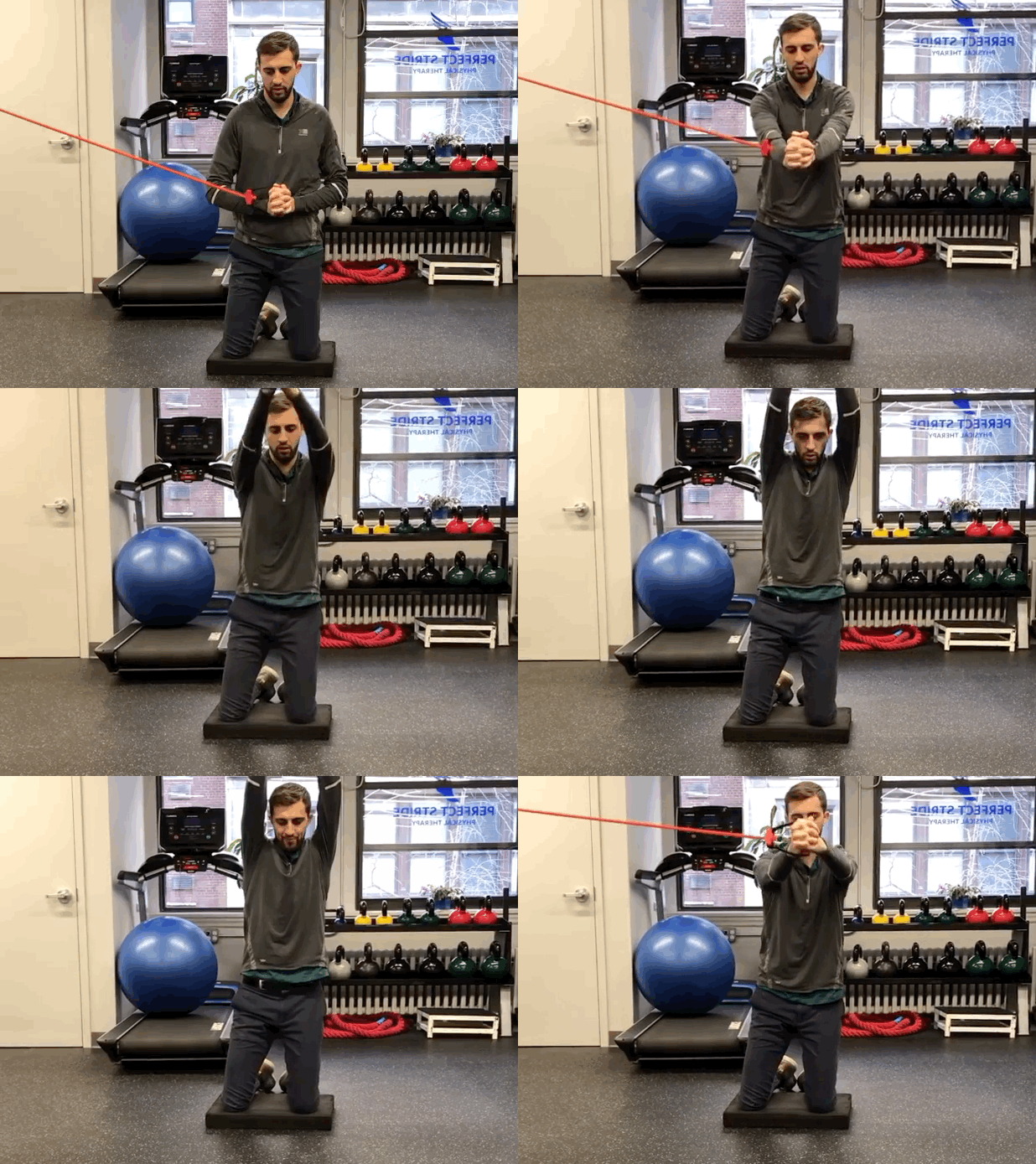
- Straight-arm extension is more like our underwater movement trajectory;
- This time directly extend your arms, maintain a tight core;
- In this state, perform arm extension, feel the control of the core;
- After finding the feeling, slowly forward push, slowly retrieve;
- Do the action while breathing, about 10 times, remember to change legs and have another side.
Summary
The core rotation control ability and rotation technical action are not only capable of being 'buried in the water' for practice, we need to know the relevant theoretical basis of these two points to form a solid foundation.
Welcome your comments, give your suggestions, thank you for your support.