Can Knees Go Beyond Toes During Squats? Uncover the Truth!
It's been a long-standing and controversial topic whether the knees can go beyond the toes during squats. Some say that when the knees exceed the toes, it increases the pressure on the knee, especially during squats, and can cause serious knee injuries. Also, it's difficult to target the glutes, and instead, it can make the legs thicker. Therefore, many people firmly believe that the knees should never exceed the toes during squats.
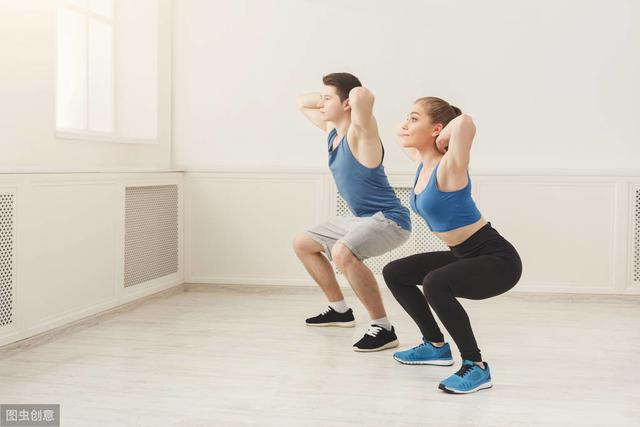
What is a standard squat?
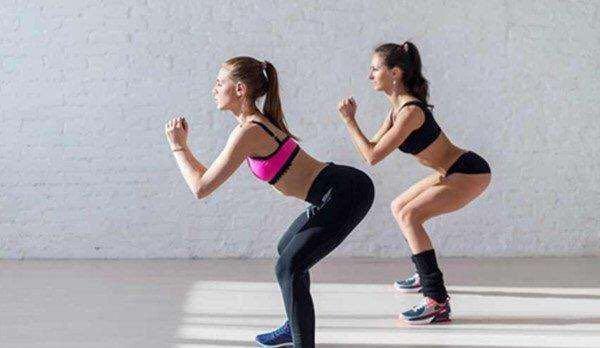
With your feet shoulder-width apart, and your toes aligned with your knees, the thighs should be roughly parallel to the ground, the back is straight, the body is tense, the head, shoulders, and upper body move vertically, without leaning forward or backward, the body's center of gravity must be kept between the feet, the calves and upper body have the same tilt angle, and the eyes are level with the front.
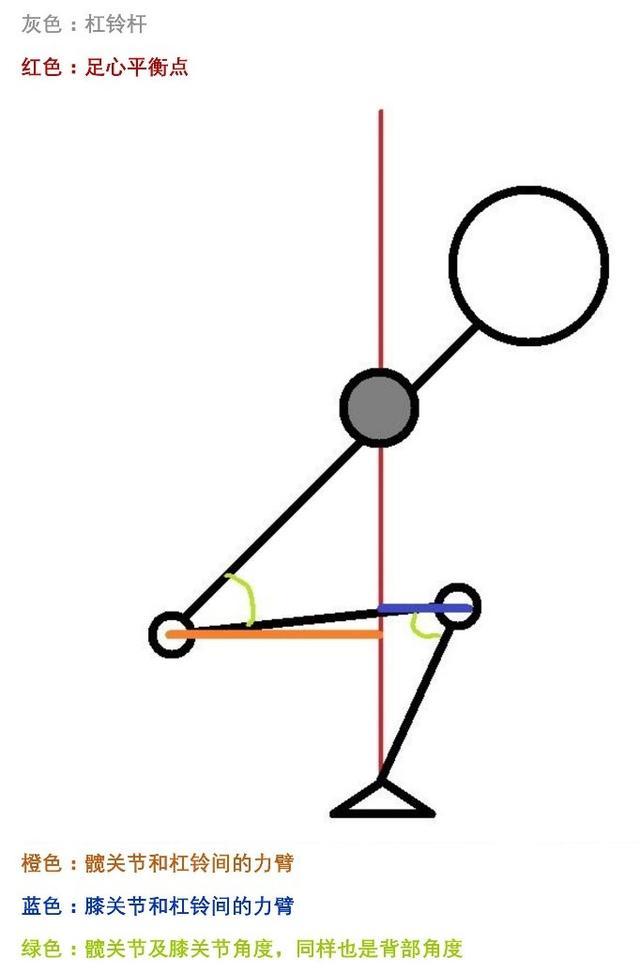
When it comes to squat exercises, we do a lot of them in everyday life, such as squatting to use the toilet, and some jobs also require constant squatting. You'll find that the knees are often above the toes. When the knees don't go beyond the toes when squatting, you can't do a standard squat, you can only do a half squat, a more hip-flexed half squat similar to a normal squat, but in the squatting process, the hips don't go down, but backward, keeping the hip joint farther from the body's center of gravity. This is suitable for bare-hand training. If it's weight training, the pressure on the waist will increase with the increase in weight. Many sports athletes and bodybuilding people perform squats with their knees exceeding the toes, especially when training the quadriceps.
Under what circumstances should you not squat with your knees exceeding the toes?
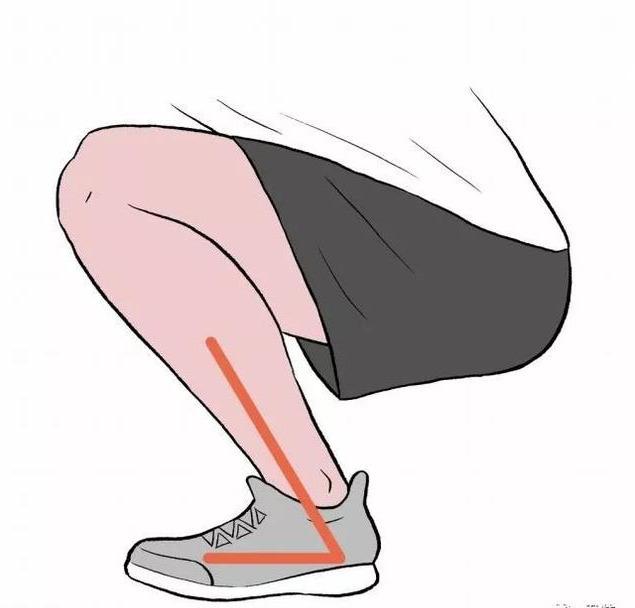
When the lower limbs' joints are stiff, such as the ankles, knees, and hips, if their joint angles cannot be achieved, performing squats with the knees exceeding the toes will cause compensation, such as pelvic winking, bending the waist. Many people often sit for a long time and rarely walk, and the flexibility of their feet decreases, with the angle between the instep and the front of the calf being outside 60 degrees. When you cannot reach 60 degrees, the knees will exceed the toes when squatting. In addition, people with poor posture, severe knee hyperextension, and those who weigh more than 200 pounds, especially those who are losing weight, should not perform squats with their knees exceeding the toes, and they need to adjust their function first.
Scientific evidence has proven that healthy athletes' knees are safe when the knees are beyond the toes at the lowest position during a squat. To make the hips fully descend, the knees must be above the toes at the lowest position during a squat.#Spring Sports Power##My View of Spring#