For Yoga Beginners, Master These Basic Poses to Practice Yoga Better
If you are a yoga beginner, some poses are essential for you, you can practice them in class or alone at home. Yoga poses have 80,000+ and 300+ are commonly practiced, it is not easy to narrow the range, but some poses are very suitable for beginners to practice. It can even be called a basic body posture for beginners.
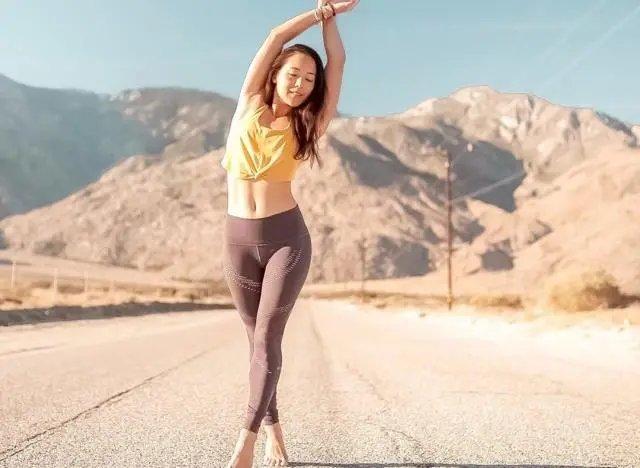
The following are 10 most important yoga poses for beginners. Note: You don't need to follow the picture exactly, you can adjust according to your body needs. If you can't maintain a pose for 5-10 breaths, it's still a great beginner yoga sequence.
1. Mountain Pose
Mountain Pose is the foundation of all standing poses, it gives you a feeling of being firmly grounded and stable. It is the most basic and important pose in yoga, many poses are based on Mountain Pose, it helps us establish the foundation under our feet, the strength of the legs, the stretch of the torso, and the balance of left and right and front and back.
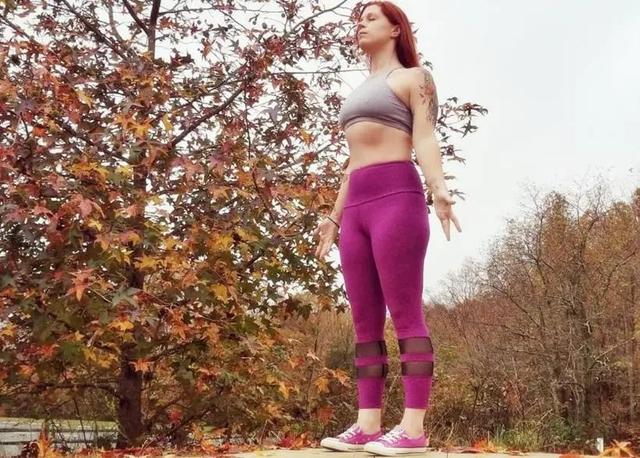
With feet together, spread out all ten fingers, raise the knees through the quadriceps, and raise the inner thighs. Raise the chest and press down with the top of the shoulders to move the abdomen upward or backward. Feel the shoulder blades approach each other and open the chest, but keep the palms facing inward. Imagine a rope pulling the head to the ceiling, maintaining even breathing for 5-8 breaths.
2. Downward-Facing Dog
Downward-Facing Dog is a common yoga pose that can stretch and strengthen the whole body.
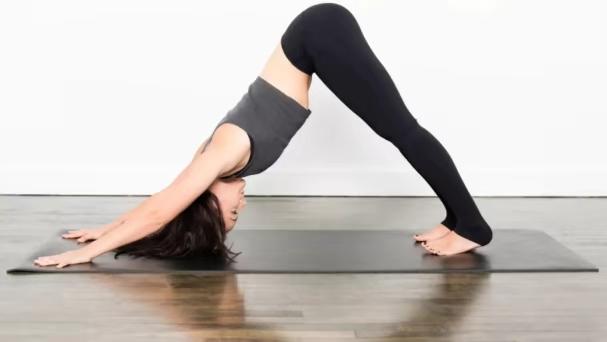
Place hands above wrists, knees above hips, limbs down. Lift the hips off the floor. If the hamstrings are too tight, keep the knees slightly bent, otherwise try to straighten the legs. If needed, walk forward to increase the length. Press your palms firmly and let your elbows turn inward. Tighten your abdomen, keep your legs engaged to move the torso towards the thighs. Maintain for 5-8 breaths.
3. Plank Pose
Plank Pose works the whole body. Strengthens the abdomen, is a great way to learn to maintain challenging poses, can help us maintain challenging poses.
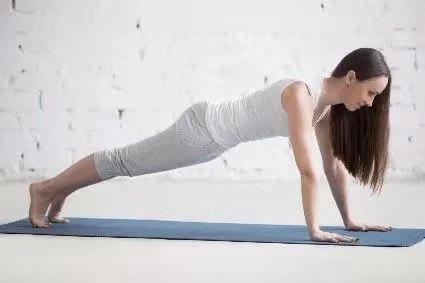
Get into a hands and knees position, with your toes spread apart. Press down with both feet, then lift your hips off the floor. Keep your arms straight and look at your hands to further open your chest. Maintain for 8-10 breaths and then lower your hips.
44. Triangle Pose
Triangle Pose is a wonderful standing pose that can stretch the sides of the waist, open the chest, and strengthen the legs.
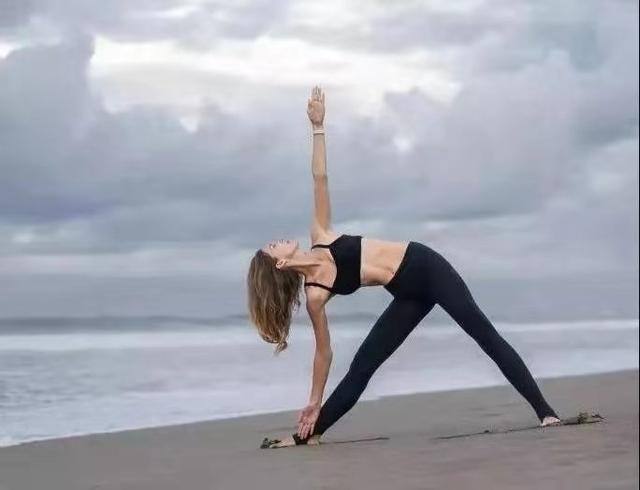
Stand with feet apart. Extend your arms. Rotate your right foot 90 degrees, rotate your left foot about 45 degrees. When you bend towards the side of your right leg, let the quadriceps and abdomen engage. Place your right hand on your ankle, calf or knee, and extend your left arm towards the ceiling. Look at your hand, maintaining for 5-8 breaths and then switch sides.
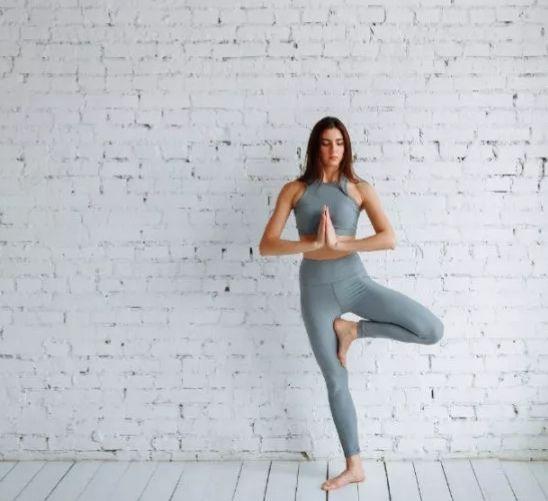
5. Tree Pose
For beginners, Tree Pose is an excellent standing balance pose that can help you focus and maintain alertness, and learn to maintain body balance when standing.
6. Warrior 1
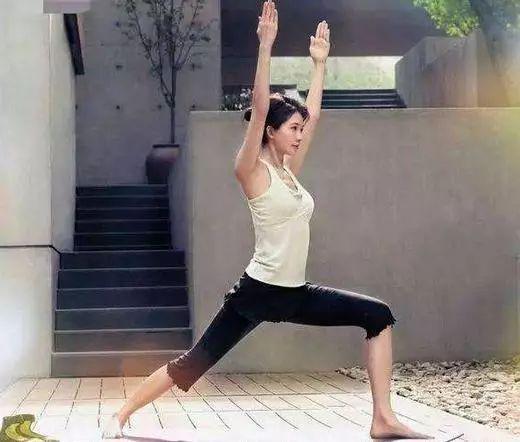
In yoga practice, Warrior poses are essential for building strength and endurance. They fill us with confidence, stretch the hips and thighs, while strengthening the whole lower body and core, as well as the upper body.Warrior 1 can stretch the whole body (four limbs, hip flexors, waist muscles), while strengthening the legs, hips, core and upper body.
Stand, step back one step, bend your front knee at a 90-degree angle, and extend your back leg straight, raise your chest, and then raise your arms up, palms facing each other. Maintain for a few breaths and then switch sides.
7. Warrior 2
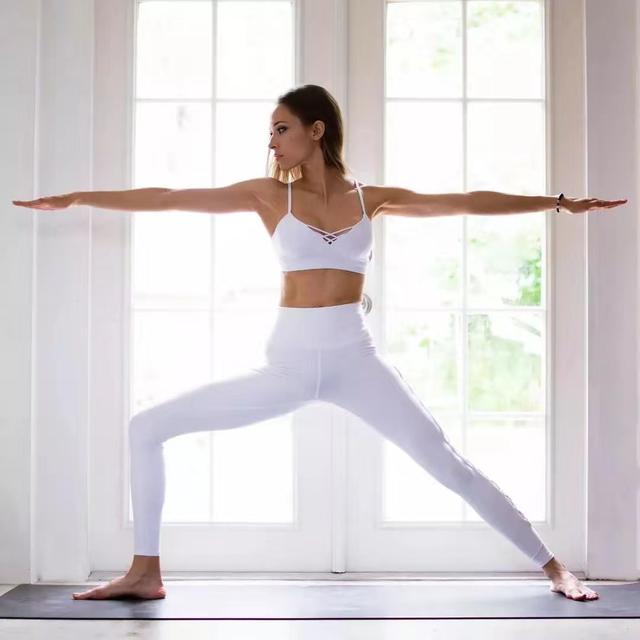
Warrior 2 is a wide-opening pose that can open the inner thighs and groin. It's a good preparation pose for many sideways stretching poses (including Triangle Pose and Half Moon Pose).
Stand with your feet apart. Turn your right foot 90 degrees, and your left foot 45 degrees. Bend your right knee until it is above your right ankle, while keeping your torso between your hips. Your arms stretch out to the sides, gazing at your right hand, maintain for 8-10 breaths and then switch sides.
8. Seated Forward Bend
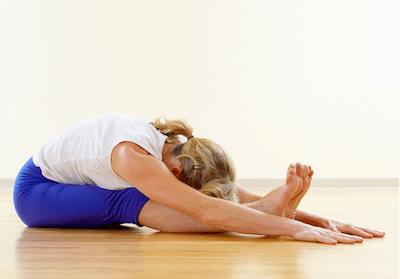
This is an important forward fold pose in yoga, which can stretch the hamstrings, lower back and upper back as well as the sides. Seated forward fold is a perfect forward fold for beginners to open their bodies and learn to relax through uncomfortable poses with breathing.
If you feel severe pain, you need to exit. But if you feel tense when folding forward and can continue to breathe, you can slowly start to relax. You can also let your knees slightly bent.
Sit with your legs together, with your feet not turned inward or outward, your hands on the sides of your body. Raise your chest, start from your hips, and then fold forward. Engage your lower abdomen, then imagine your belly button moving towards the top of the thigh. Once you reach the maximum limit, stay for 8-10 even breaths. Make sure your shoulders, head and neck are relaxed.
9. Bridge Pose
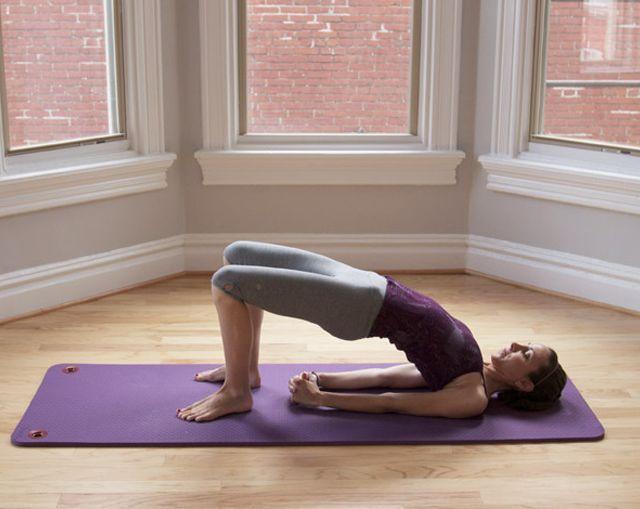
The backward bending arched pose is a good backbend pose for the forward bending arched pose, it can stretch the front body and strengthen the back body.
Lie on your back, with your legs spread apart and wider than your hips. Press down with both feet, then lift your hips off the floor. Keep your arms together, and then press your fists down to the floor, which can further open your chest. Maintain for 8-10 breaths and then lower your hips.
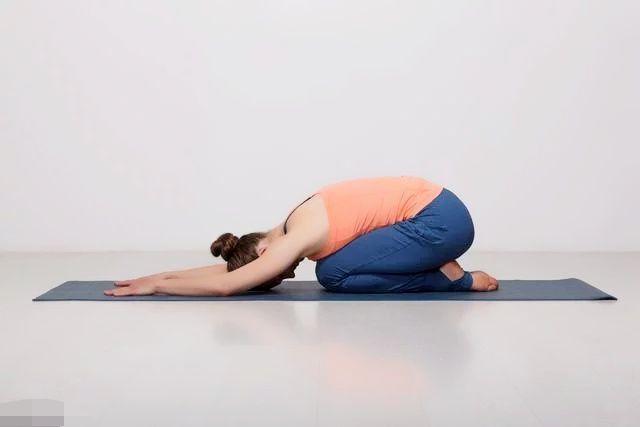
10. Child's Pose
Everyone needs a good rest position, Child's Pose is not only good for beginners, but also a good resting pose for yoga practitioners of all levels.
When you feel tired in Downward-Facing Dog, you can use it before going to bed or when you need to rest and relieve stress.
From hands and knees position, bring your feet together and then lift your hips off the floor, and extend your arms forward.
Put your head down on the floor (or yoga brick or blanket) and relax your whole body. Just as you want, stay there!