Incorrect Grip Hinders Technical Progress! Issues Such As High Ball Not Being Far Enough, Backhand Not Being Far Enough, And Insufficient Conversion Between Forehand And Backhand Need To Be Addressed.
Incorrect grip hinders technical progress. Issues such as high ball not being far enough, backhand not being far enough, and insufficient conversion between forehand and backhand need to be addressed. What kind of grip can help you generate better power?
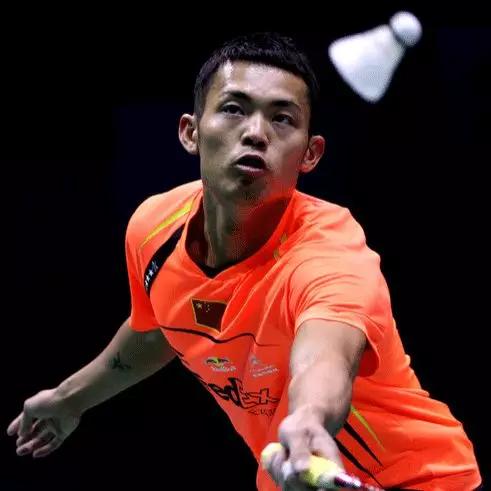
Common three incorrect grip methods
Knife-like grip. It’s like holding a knife, with the heel of the palm aligned with the narrow side of the handle, and the fingers gripping the handle.
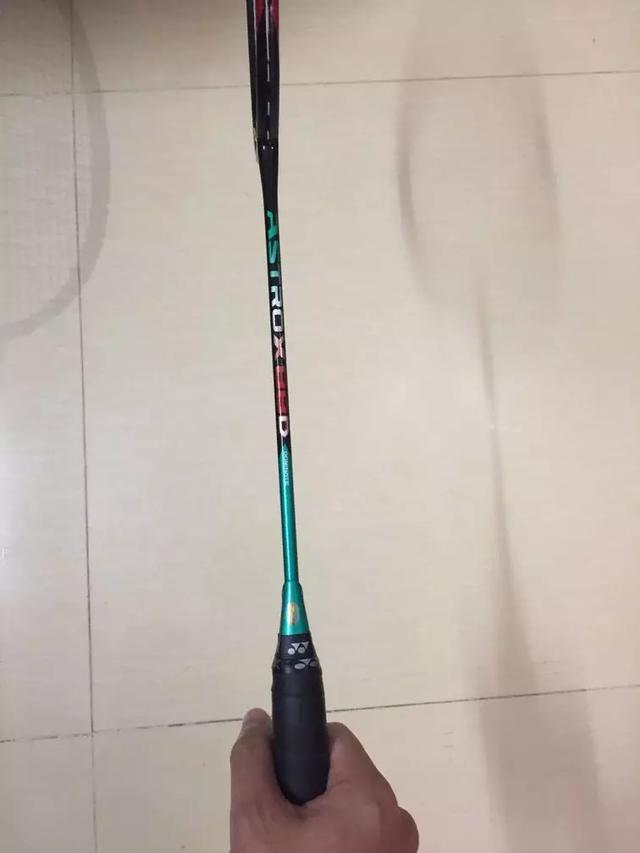
Flycatcher-like grip. It’s like holding a flycatcher, with the heel of the palm aligned with the wide side of the handle.
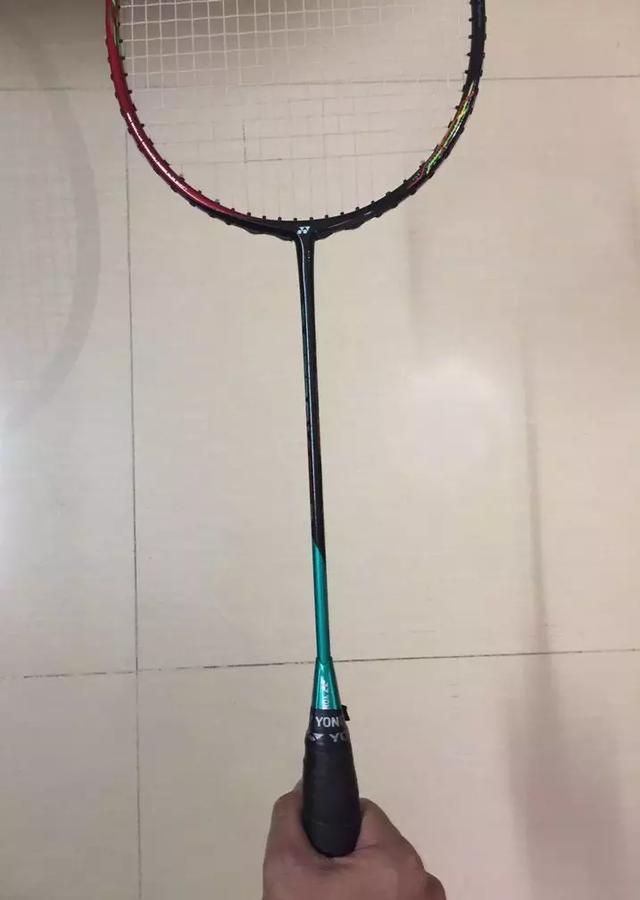
Female flycatcher-like grip. A variation of the flycatcher grip, with the index finger extended and touching the wide side of the handle.
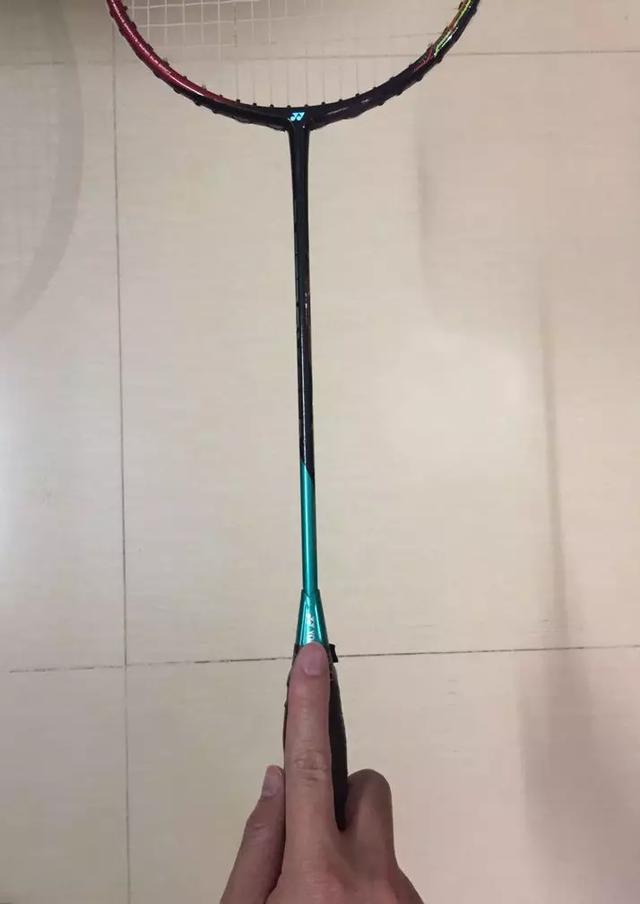
Forehand and backhand grip and power generation
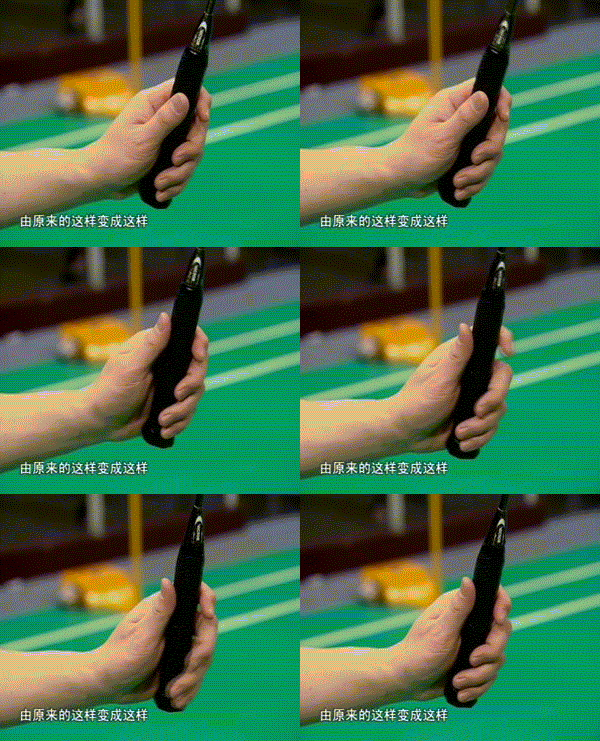
Forehand grip:Many beginners, the grip is like a flycatcher. This cannot generate good power, especially when playing drop shots, pushes, and angled shots. The correct forehand grip is as follows, simply put, it’s similar to shaking hands, with the thumb naturally placed on the wide side of the handle, lower than the index finger, the palm is open, the heel of the palm is open, the three fingers are kept at a certain distance, and the two fingers are tightly clenched at the end of the handle. Note that the position of the index finger is important.Using the inner side of the index finger to touch the side rib of the racket to generate power
Backhand grip:The thumb inner side is placed on the diagonal side of the wide side of the handle, slightly higher than the index finger, the palm is open, the heel of the palm is open, the index finger and middle finger are naturally placed on the opposite wide side, the little finger and ring finger are tightly clenched.
In terms of power generation, it is necessary to say more. The backhand grip requires the use of finger force.This action is similar to the gesture of giving a thumbs up. Many beginners simply use the force of the wrist to turn outwards. Only by using the force of the thumb can you generate power for the backhand ball.It is important to note that the grip should be loose. The tighter the grip, the harder it will be to generate power. Whether it’s a forehand grip or a backhand grip, you need to leave space between the palm and the racket. This space is the key to power generation.
Three important technical grip methods
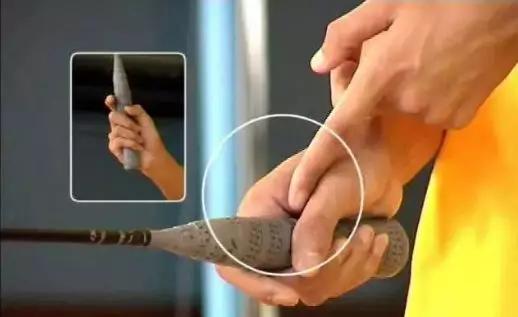
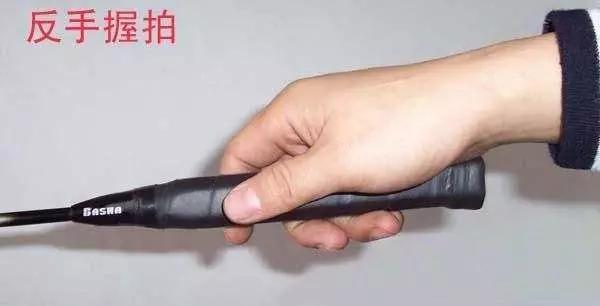
High ball grip. The index finger is bent back, the index finger middle segment joint is in front, the fingertip is inside, the thumb is in the middle of the three fingers and the thumb.
Kill shot high ball grip. The thumb is in the front, all four fingers are inside, the back four fingers generate power with bent fingers, increasing the burst power of the kill shot. When playing forehand shots, high balls, or kill shots, we need enough power, and the grip needs to be considered to generate better power. Professional athletes turn the grip into an incorrect grip method – fist grip during racket turning. The most representative is Lee Sang-dwoo, who still uses a normal grip when turning the racket and turns the index finger down to touch the middle finger into a ‘fist’ at the time of impact, tightly gripping the racket.
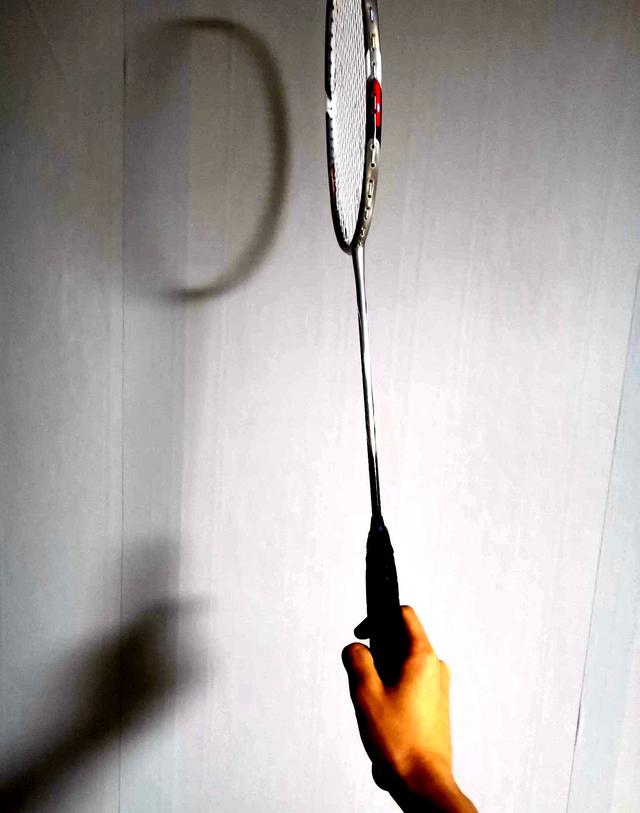
Defensive backhand grip. The index finger is bent back, the thumb presses on the side rib of the handle! Note that it’s the rib, not the narrow handle or the wide handle, but the connection between the narrow and wide handle! Commonly used for returning backhand balls in a passive defensive position.
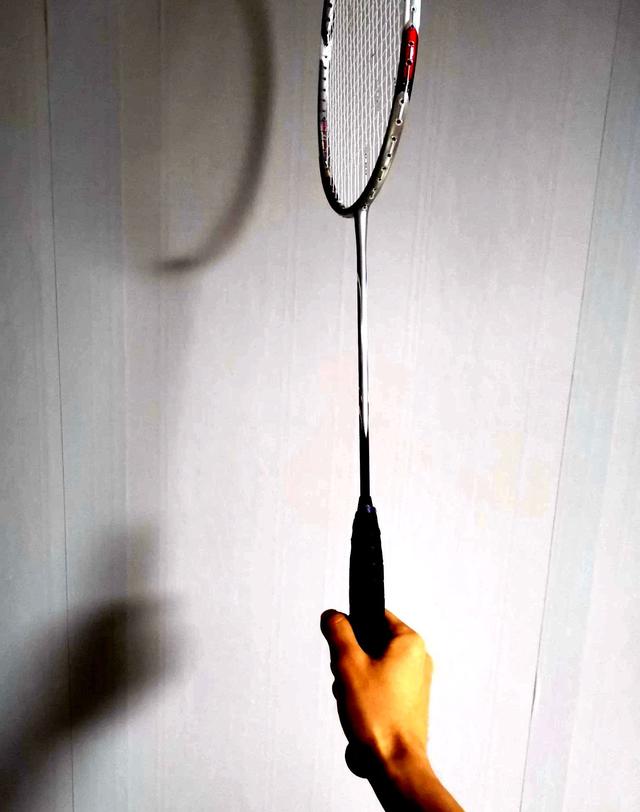
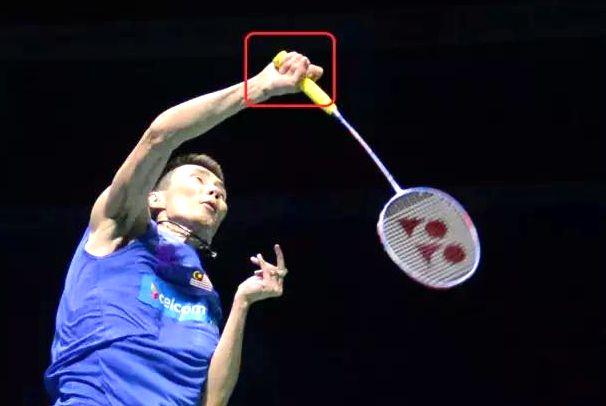
Catching a ball ‘flycatcher-like’ grip is practical
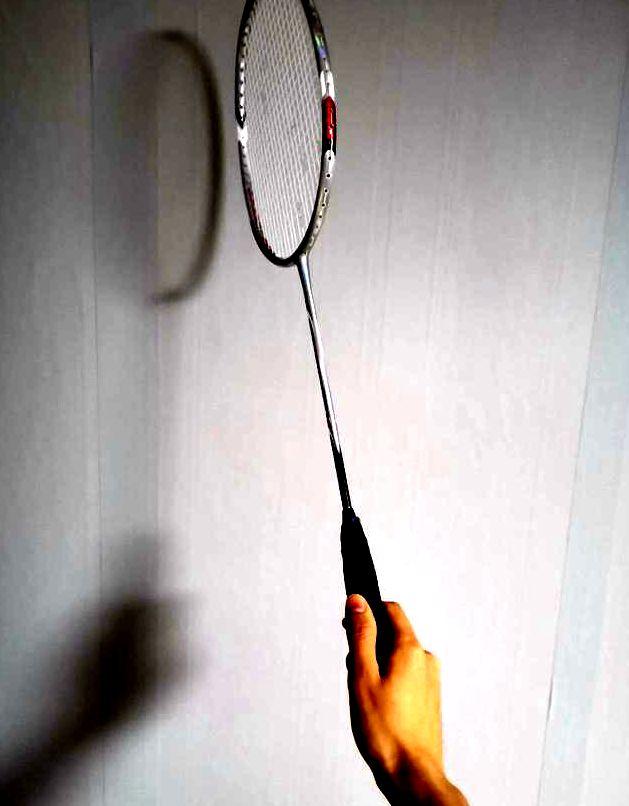
As we said before, the ‘flycatcher-like’ grip is an incorrect grip method, but why is it still considered practical? The flycatcher grip is not suitable for other ball handling, and it’s not convenient to switch between forehand and backhand. However, in a pre-game defensive catch for double plays, it is very practical because this grip generates more power for the ball.
In the forecourt backhand area, you can grip like this
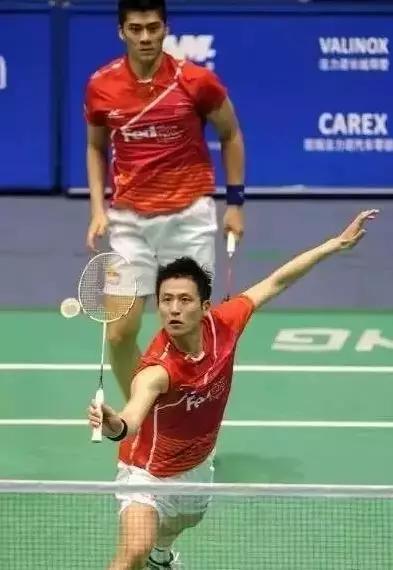
When facing backhand balls in the forecourt, it often appears that the ball passes behind us. If you still grip like before, it will be difficult to generate power. You can move your thumb to press on the narrow side of the handle, although it doesn’t look regular, it’s very practical.