Nutrition is More Important Than Exercise for Seniors
Eating is more important than exercise.
'The heaven and earth depend on food' 'Life is in movement'', 'Eating and exercise are both indispensable to life.'
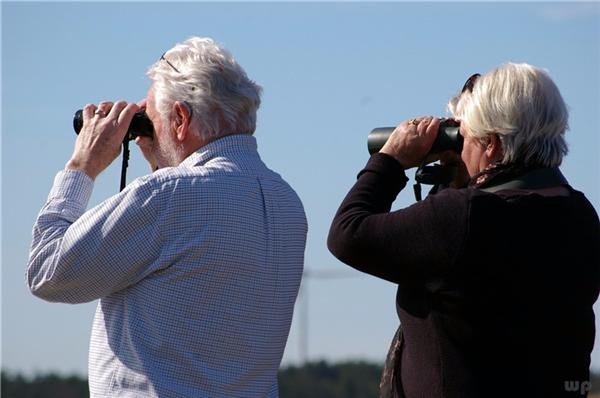
Look around, many middle-aged and elderly people exercise actively every day: walking, running, climbing, practicing Tai Chi, dancing, you can see their figures in streets, alleys, parks and lakes...
According to the principle, a more active exercise should reduce the illness, but the current situation of some elderly people is: when they start exercising, they are less sick and their physique is stronger for a few years. But as they get older, they are actually more and more sick and still visit the hospital often, especially cardiovascular diseases. They are 'committing their faults' while exercising.
What is the reason for this?
Eating is more important than exercise. Those who exercise still get sick are often those who do too much exercise and neglect food therapy.
1. Blood stasis and deficiency
As people age, blood stasis and deficiency is a common problem for the elderly.
Many middle-aged people also have these symptoms due to the pressure of work.
Various organs have served for decades, and they have also worn out a lot.
2. Weakened digestive and absorption capacity
Another characteristic of the elderly is that their food intake decreases, and their digestive and absorption capacity of the stomach and intestines also decreases. In addition, their sleep time is reduced, which leads to a decline in immunity and illness.
3. Insufficient blood supply
As people get older, they are prone to blood stasis and deficiency, and their limbs are short of blood supply, so middle-aged and elderly people are relatively sensitive to cold and wear more clothes.
After exercise, the limbs become warm because of the sufficient blood supply. However, internal organs, especially the heart and brain, which have a high demand for blood supply, are relatively short of blood supply. Prolonged exercise can cause symptoms such as dizziness, palpitations, shortness of breath, and excessive sweating, which indicate that the heart and brain are deficient in blood.
Exercise does not increase blood volume, but redistributes blood. It is important to remember that nutrition is more important than exercise.
Nutritional balance can reduce illness and increase lifespan. A reasonable and abundant diet can strengthen the body, replenish blood, and ensure that all organs have sufficient blood supply, reduce the occurrence of cardiovascular diseases, and prolong life.
Middle-aged and elderly people should exercise moderately in addition to, and the focus should be on food therapy to replenish the body, especially pay attention to the following points:
1. Eat soft, rotten, and easily digestible food.
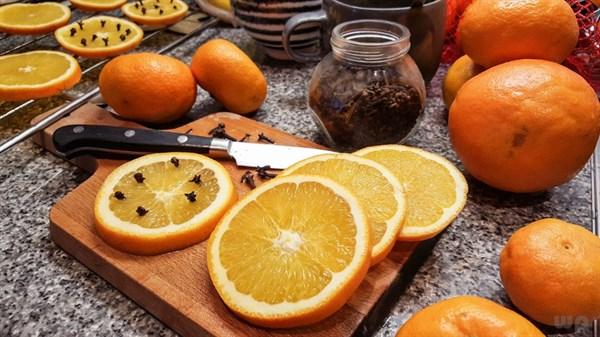
2. Eat one orange or one grapefruit, or one apple every day.
3. Drink 1-2 bottles of milk and 1-2 eggs every day, and ensure there is pork, fish, shrimp, and chicken meat every week.
Eat mutton in winter, and fish and shrimp are mainly sea fish and sea shrimp. Sea fish and sea shrimp have high nutritional value and less pollution.
Rotate various meats every week to ensure that all nutrients are complete. In terms of vegetables, choose seasonal vegetables and less off-season vegetables.
At the same time, less cold and cold food. The elderly have weak spleen and stomach, and cold and cold food can damage the spleen and stomach.
4. Eat more porridge. Often cook porridge with red dates, jujubes, walnuts, white fruits, yam, chestnut, empty lotus seed, pine nuts, and cook in turns.
5. Middle-aged and elderly people drink tea also need to pay attention. In autumn and winter, bitter melon tea, bitter almond tea, honeysuckle tea, Forsythia tea are cold teas, try to drink less.
4
5