Increase Hip Joint Range of Motion, Easily and Effectively Improve Frog Swimming Leg Technique
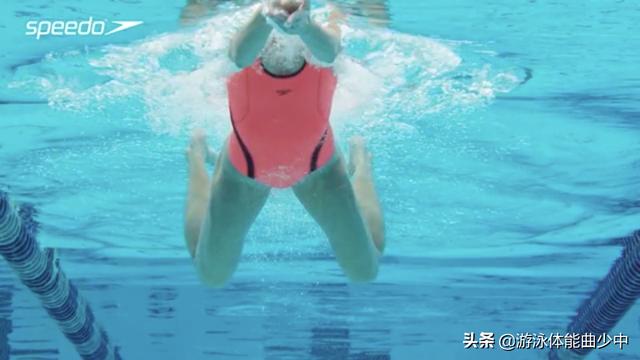
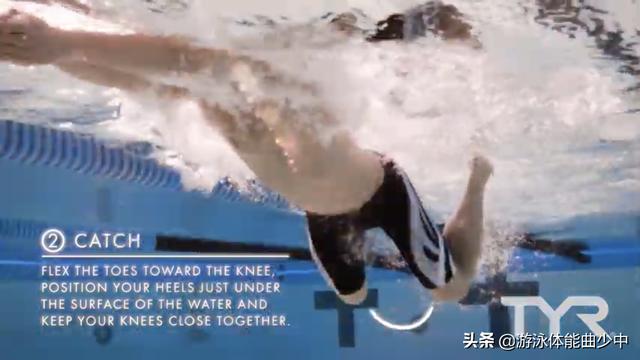
Frog kick legs are the first content to learn in the initial frog swimming. Due to individual differences, problems appear differently, some people upward extend the surface of the water, some extend too low, and some are unbalanced in left and right. For how to do frog kick leg extension technique, there are many tutorials, but standardized content may not be able to solve practical problems. This time, after analyzing the situation, we provide some corresponding practice methods, which are hoped to help your frog kick leg technique.
The standard of frog kick leg is whether we master the joint angle of the lower limb.
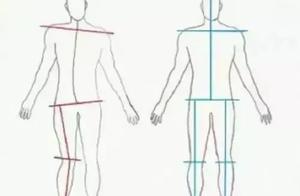
The movement trajectory and angle of propulsive force in frog kick leg are complex to measure in space, but it is necessary to find a relatively standard to quantify the technique. For example, the leg retraction distance in the sagittal plane (side view) and the hip flexion angle in the frontal plane (rear view) can all reflect our relative technical action standard.
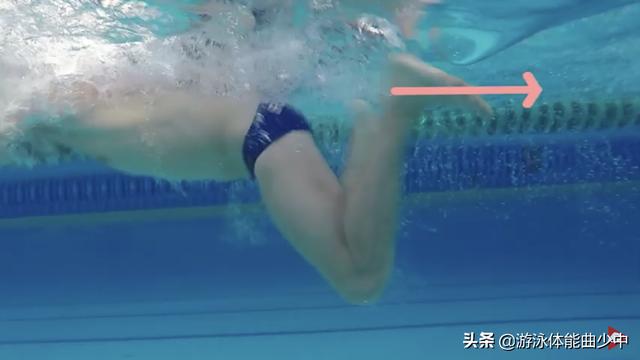
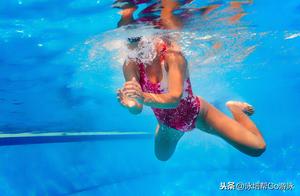
From the side view of frog swimming, the angle between the trunk and the thigh is about 135 degrees when retracting the legs. Some top athletes try to control it to a smaller angle to reduce the cross-sectional resistance.
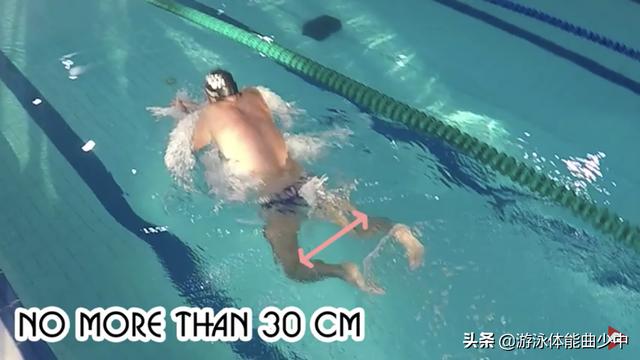
When viewed from the back, a good choice is that the knees of the two legs are close to 30 centimeters. If the amplitude is too large, it will make it difficult for our recovery phase to create water, the recovery cycle will be longer, which is not conducive to action connection; if the amplitude is too small, it cannot satisfy the outer turn of the small toes and ankles, reducing the propulsive force area.
Therefore, to make reasonable frog kick leg technique, we still need to pay attention to the relative standard. More importantly, whether we can complete these standards depends on whether our hip joint can support.
The joint angle of the lower limb depends on the flexibility of the hip joint.
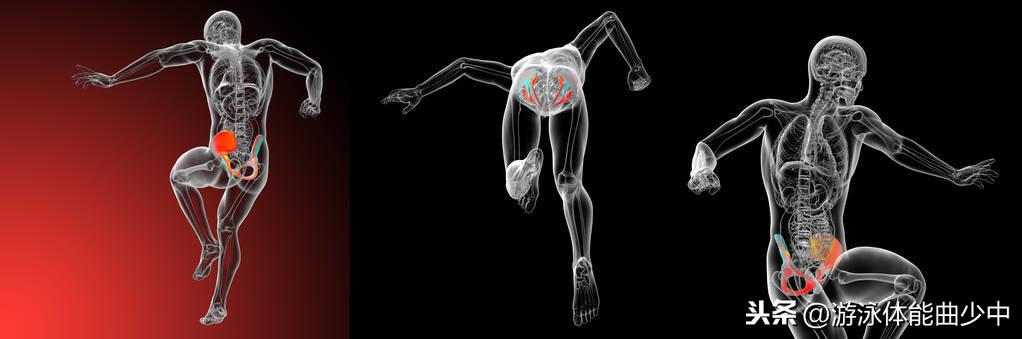
The lower limb movement starts from the hip joint, and the amplitude of the near-end determines the overall amplitude. If our hip joint does not have enough activity space and amplitude, the tibia and foot ankle joint also has no sufficient play space. Controlling the muscle movement of the hip joint has many, and according to different planes of motion, they function.
For example, if the hip flexor muscle is too tight, we will easily over-extend the thighs, increasing cross-sectional resistance; and many boys have developed their hips, and they easily lack hip flexion, kicking the legs out of the water.
Again, from the back view, if our external rotation ability is limited, it is difficult to maintain the amplitude of 30 centimeters or more, which will lead to the knee and ankle joint not being able to make the correct technical action.
Methods to unlock hip joint activity.
We talked about the problem, and we still need to find a way to solve it. Below, we will start with the different hip joint angles to do exercises, improve the hip joint activity, and improve the basic movement ability of frog swimming.
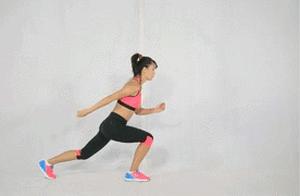
Loosen the hip joint muscle on the front side.
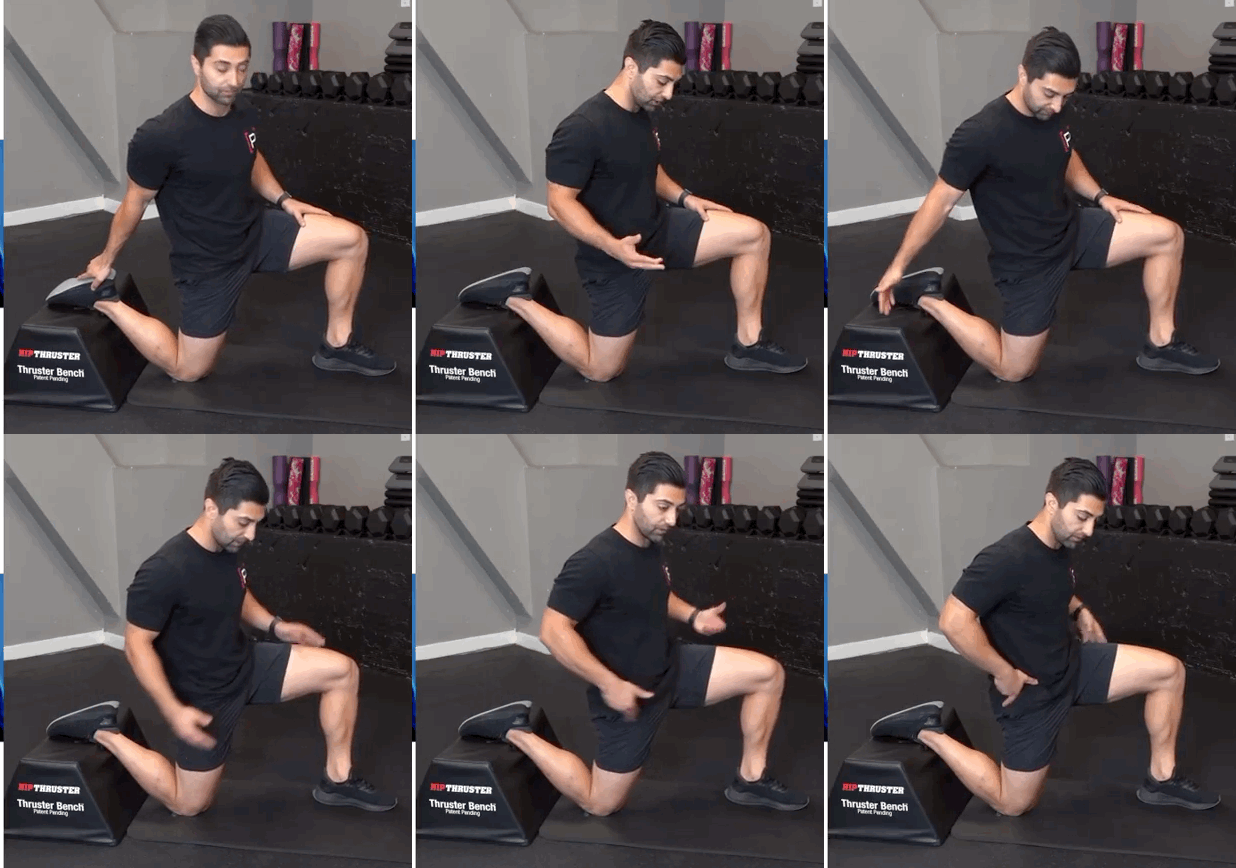
- Single knee kneeling position, find a prop with the foot's heel;.
- Hold your breath, tighten the core;
- The pelvis is slightly tilted back, feel the pull of the hip joint on the front side;
- Shift the center of gravity slightly, increase the pull sensation;
- Avoid excessive pain, 3 to 5 breaths can switch legs.
Loosen the hip joint muscle on the back side.
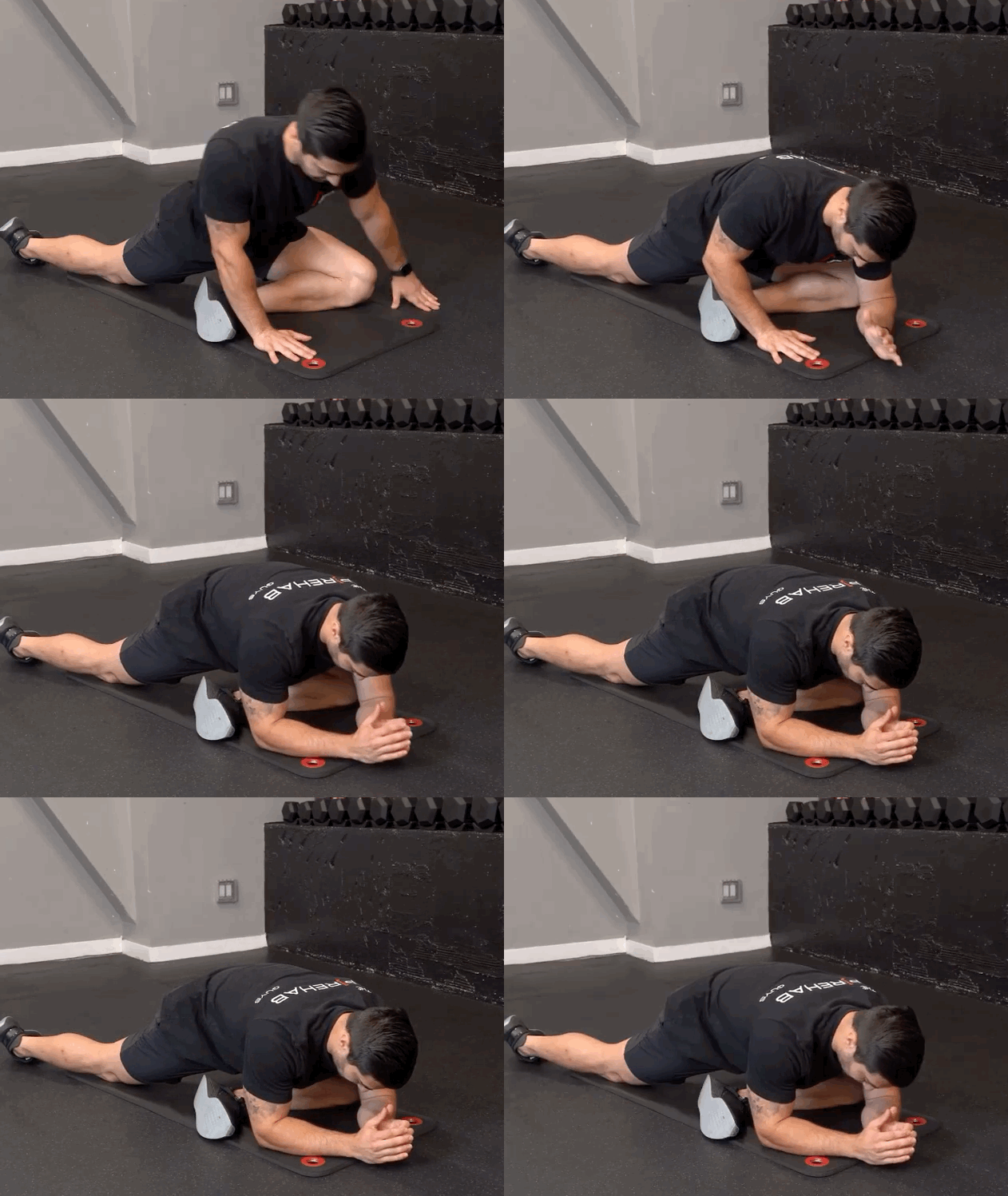
- Single 'pants' bending, the knee joint is in front of the belly button;
- The pelvis is kept horizontal, avoid twisting (at this time may have a stretching sensation);
- Keep your breath, slowly lower the navel, increase the stretching sensation;
- Avoid pain, 3 to 5 breaths can switch legs.
Loosen the hip joint muscle on the inner side.
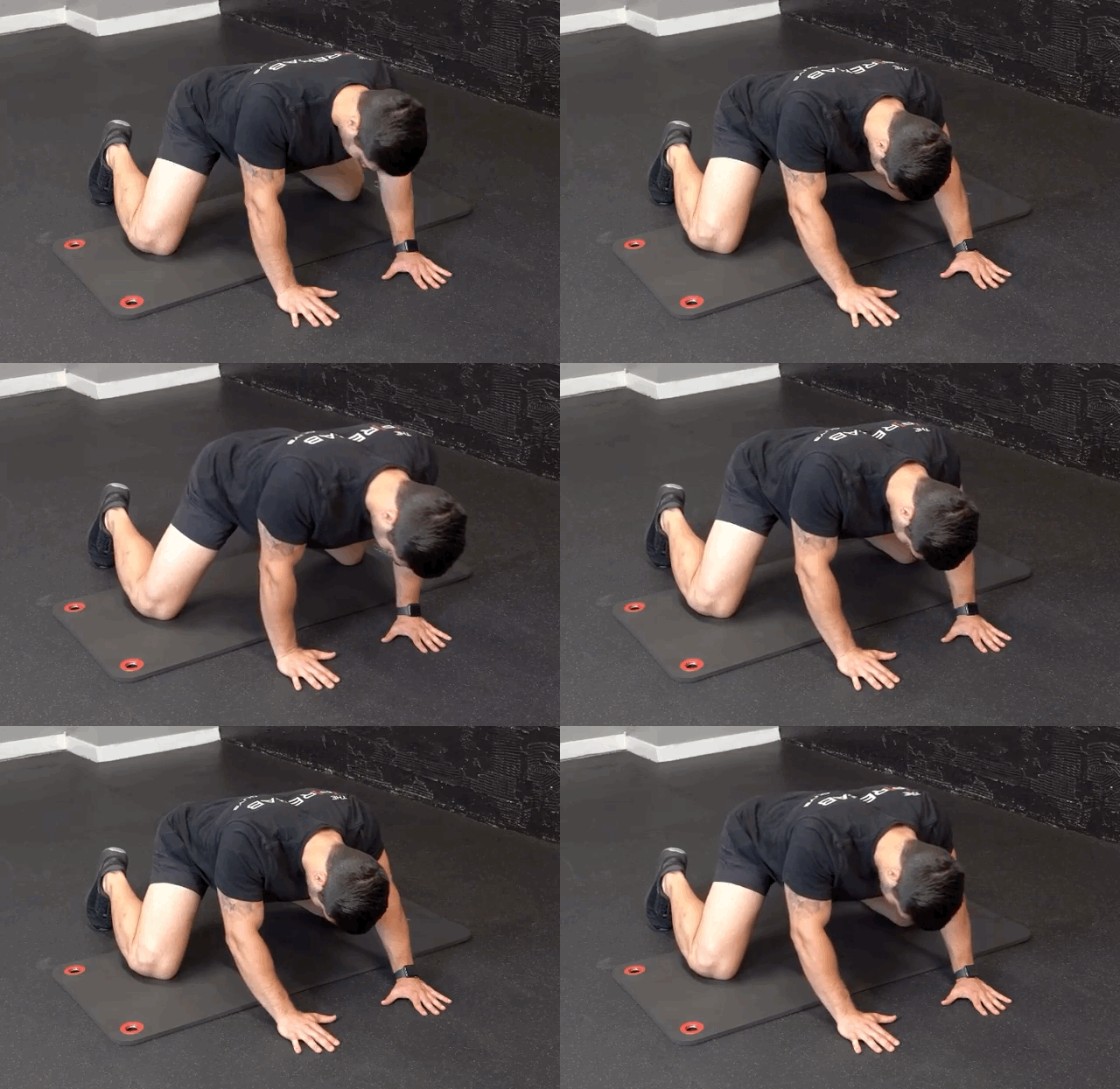
We can also call this action 'frog squat'.
- Four-point support slightly wider than the shoulders;
- The inner thigh muscles have a stretching sensation;
- You can do static, such as feeling that the loosening can shift the center of gravity slightly;
- When stretching, avoid excessive pain, keep your breath;
- 3 to 5 breaths can switch legs.
Loosen the hip joint muscle on the outer side.
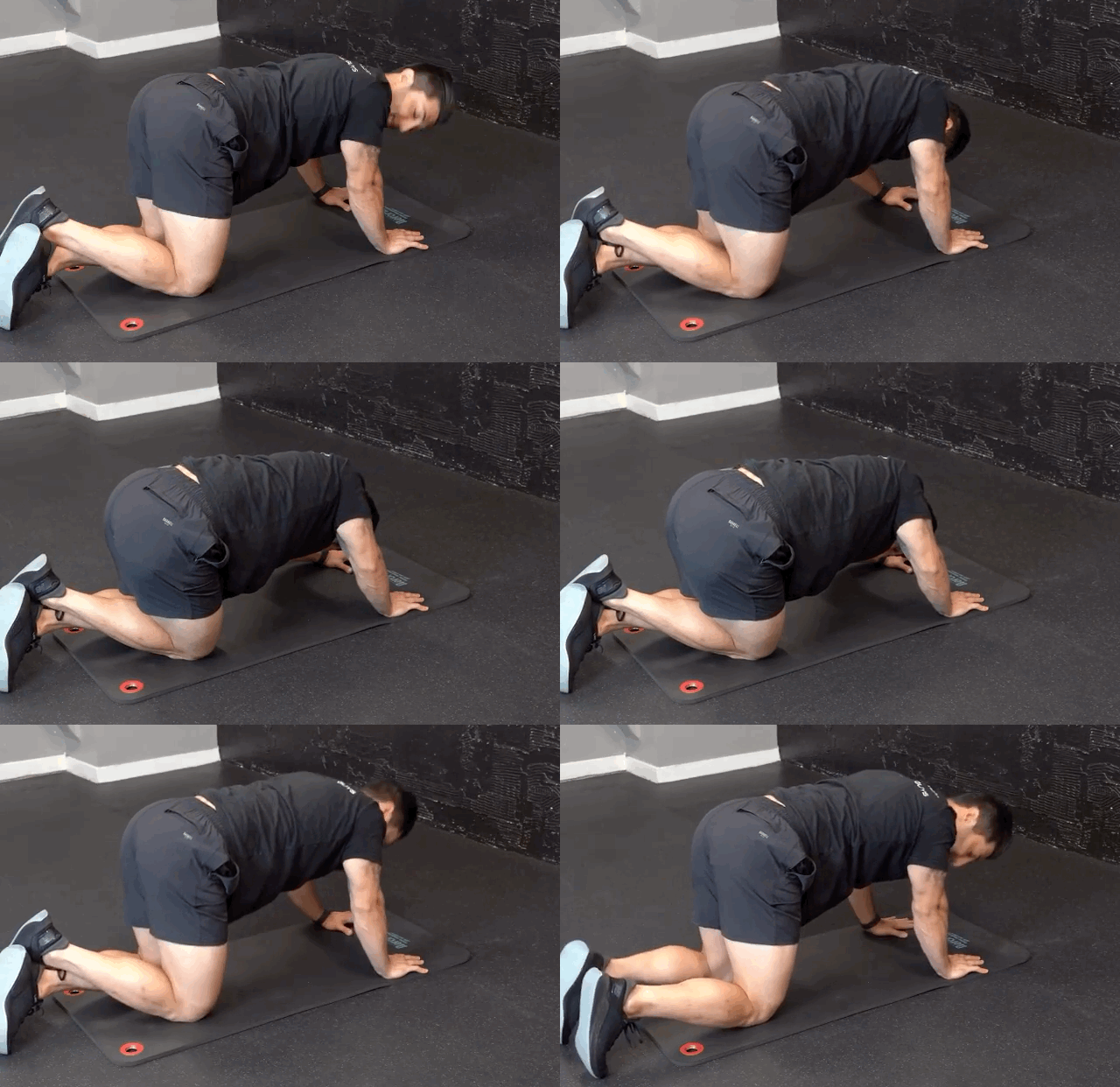
- Four-point support, put one foot on the other side's lower leg;
- The trunk is extended, the center of gravity is slightly shifted to the pulling side of the hip joint;
- The buttock muscle has a clear stretching sensation, avoid pain;
- Keep your breath, 3 to 5 breaths can switch legs.
Summary
The methods to practice hip joint can help to relax the muscle at different planes, and if the muscle has a good length-tension relationship, it helps us to maintain the correct angle when doing frog kick leg technique. Whether we are learning frog swimming for the first time, or frequent training friends, or even relatively professional teenagers, these exercises can be done every day.
The key to improving the frog kick leg technique is to maintain the flexibility of the hip joint, let's try it!