Master These 2 Steps to Eat New Year’s Eve Dinner Scientifically: Stay Healthy and Lose Weight
This year's Spring Festival is special. We need to work together, and we also need to avoid moments of 'working together'. As much as possible, we should stay at home during the Spring Festival, reduce gatherings, wash hands frequently, wear masks when going out.
In such a situation, it's inevitable that we will gain weight during the Spring Festival. So today, let's start from the point of scientifically eating the New Year's Eve dinner to prevent fat accumulation!
Everyone will feel that the theory is too dry and difficult to understand, so this article, let's focus on the key points of scientifically eating the New Year's Eve dinner, even if you're only staying at home and eating and drinking, it won't make you gain weight!
It's a matter of eating, to achieve healthy slimming, you need to comply with the following5 principles:
- As much as possible, eat fresh and natural foods, avoid highly processed foods with low nutritional value;
- Food should be diversified, don't just eat one kind of food, ensure the intake of various natural nutrients;
- Minimize calorie intake, maximize nutrient intake;
- In each food category, choose low-sugar, low-fat foods.
- Choose appropriate cooking methods to lock in food nutrients while avoiding excessive oil, salt and sugar intake;
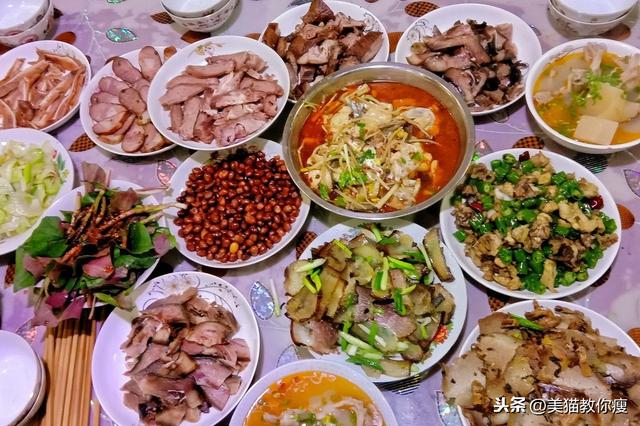
New Year's Eve dinner
So, how can we choose suitable food for ourselves at the New Year's Eve dinner?
First, quickly distinguish the high and low calorie foods
Many products on the market have labels indicating the calorie content, I won't elaborate on this; we will mainly talk about how to judge the calorie content of natural ingredients; although many natural foods are natural, they have different calorie values depending on the category. For example, 100g of nuts has a calorie content of 500-700, while 100g of leafy vegetables has a calorie content of only 10-30. How to know the specific calorie of food, you can check:Master the slimming meal principle in 5 minutes, break the calorie content of food, eat a good figure!
If you think it's too troublesome to know the calorie content of food, we can use the following 4 rules to judge
The first rule: the greater the content of water, the lower the calorie value;
Different vegetables have different water content, and vegetables with high water content have the lowest calorie content. For example, winter melon, cucumber, lettuce etc. have a calorie content of about 10-20 per 100g. While potatoes and sweet potatoes, which contain starch, have a slightly higher energy value, about 60-80 calories per 100g. Eating too much of these foods can increase satiety and help us eat less.
However, if these vegetables are processed, the calorie content will be multiplied. Such as beef made into beef jerky, sweet potatoes made into sweet potato chips, fruits made into fruit chips, they are filtered and dehydrated, the dry goods are more, the calorie is also higher; so we should try to avoid processed foods.
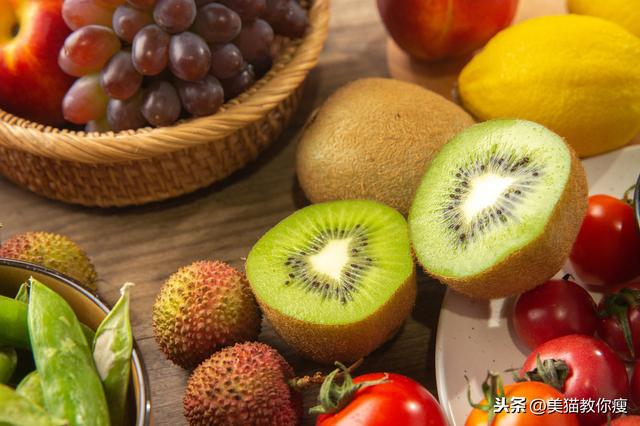
Choose foods with high water content
The second rule: vegetables, juices, sweetened beverages, the higher the carbohydrate content, the higher the calorie content
Vegetables, juices, sweetened beverages have low fat and protein content, and their calorie content mainly comes from carbohydrates, including sugar and starch. For example, fruits with higher sweetness have different calorie content. For example, grapes, especially sweet varieties are 20%25% higher calorie than more sweet varieties; Similarly, sweetened beverages contain a lot of sugar, so it's best to avoid them.
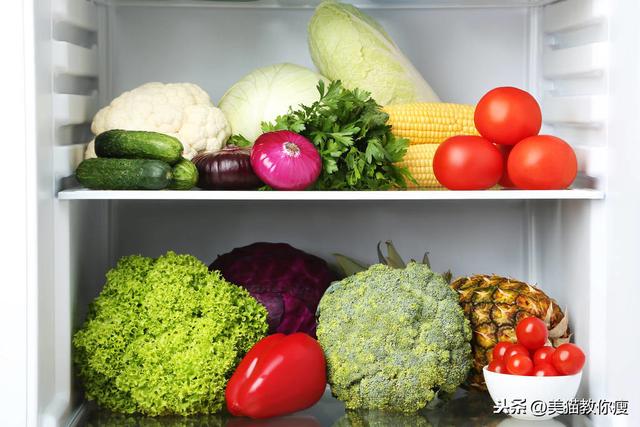
Same fruit, more sweet and special sweet different!
The third rule: similar dry matter, the higher the fat content, the higher the calorie
1 gram of protein and starch (sugar) has a calorie value of 4 calories, while 1 gram of fat has a calorie value of 9 calories. So, if the protein and starch calorie content are opposite, we should choose the one with less fat. For example, soybeans and peanuts have similar protein content, but peanuts have 15% more fat than soybeans, so peanuts are higher in calories than soybeans; Therefore, when cooking, we should try to reduce the use of oil.
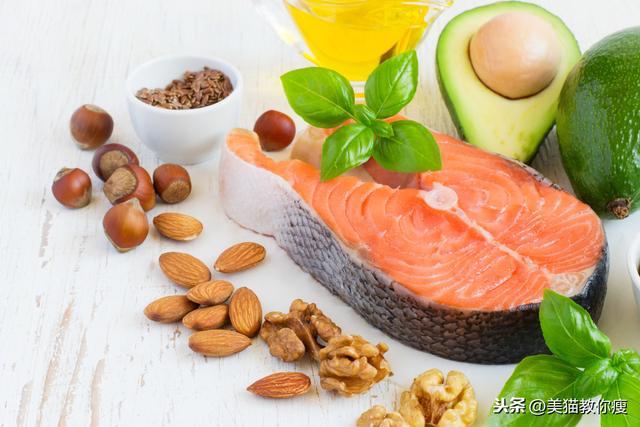
The fourth rule: when the calorie content is the same, the higher the absorption rate, the higher the calorie
In addition to dietary fiber, which can slow down digestion and absorption, resistant starch is difficult to be digested. Resistant starch is often included in the energy calculation of food.
What is resistant starch? It refers to the part of pure starch in the human small intestine that cannot be easily digested. Resistant starch is directly fermented into the large intestine as a fermentable dietary fiber, becoming the 'food' of beneficial bacteria in the large intestine, producing short-chain fatty acids. These short-chain fatty acids can inhibit harmful bacteria, help prevent cancer, and can also control cholesterol levels. Whole grains, starchy beans, and potatoes contain a part of resistant starch.
However, after processing, the dietary fiber is removed, the absorption rate is often very high, such as rice, steamed bun, biscuits, bread, puffed food, etc.
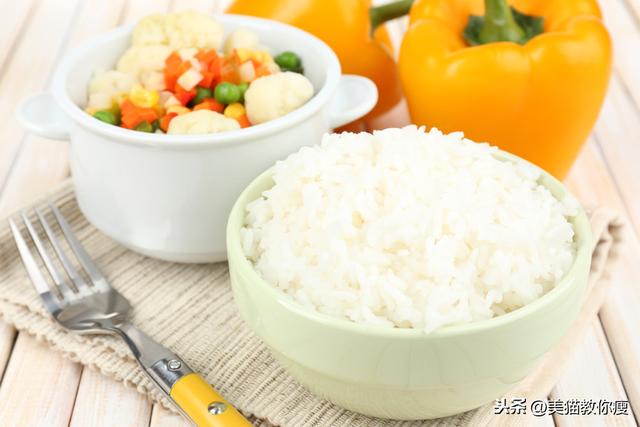
This way, you can understand why fitness coaches recommend choosing coarse grains instead of white rice during weight loss.
Dietary fiber accompanies a small amount of fat into the large intestine and is finally excreted from the body. Phenolic substances in food can also reduce the activity of digestive enzymes, helping a small amount of starch, protein and fat enter the large intestine and avoid being digested and absorbed by the human body.
Fresh and natural foods need to be chewed, and if the chewing is not very fine, the digestion and absorption rate will be slightly lower. For example, hard nuts such as almonds and walnuts cannot be completely chewed, and the digestion and absorption rate will be lower. Studies have shown that the actual calorie absorbed by the human body is not as high as the calculated value.
Second, according to the 5 principles and 4 rules, eat
We all know that controlling calories means calorie, and people are fat because they consume more calories than they burn. If we consume less calories, we can avoid this problem.
However, many people think that reducing or not eating at all can make us lose weight, but this goes against the original intention of healthy weight loss. In fact, the correct saying of 'eating enough can have the energy to lose weight' is correct, but the correct meaning is 'sufficient nutrition can have the energy to lose weight'
As the first principle says, many highly processed foods not only have low nutritional value but also have high calories, such as smoked meat, smoked fish, roasted meat etc. processed products, we should try to avoid, we can choose fresh and natural foods such as fresh seafood, poultry, vegetables to obtain nutrients; according to the principle of food selection, we should try to 'indulge' in every category of food; ensure balanced nutrition.
If fresh and natural foods are few, then we need to comply with the 4 rules and 5 principles, focusing on choosing foods with low sugar, low fat and low calorie in appropriate categories; otherwise, try to eat less.
If you cook by yourself, we should choose simple cooking methods such as steaming, boiling, stewing, try to preserve the nutrients of fresh ingredients, and use the principle of less oil, less salt, less sugar to cook, which can avoid excessive calorie intake, and eat healthily and nutritiously.
Finally, we don't need to constantly restrain ourselves, during the Spring Festival (suggested on the last day or in the middle of the day) choose one meal to indulge in, and let yourself indulge once.
454