Weight loss is not about reducing weight, but about reducing body fat percentage! How to scientifically reduce body fat percentage?
Many people fall into a common misconception when trying to lose weight, believing that losing weight is the sole goal.
However, even if you reach a weight of 100 kilograms or more, it cannot guarantee a standard, perfect physique. The culprit behind obesity is fat; the more fat you have, the more bloated your figure will be, and the more muscle you have, the firmer your body lines will be, and the more robust your physique will be.
Muscle, water, bone, and organs all contribute to body weight. We need to analyze weight loss dialectically – what is causing it?
For example, water is an essential molecule for the body. If you drink 500ml of water in one go, your weight will increase by 1 kilogram, but does that necessarily mean you are gaining weight? Conversely, sufficient water promotes the body's metabolic circulation, facilitates urination, and relieves constipation, all of which are powerful aids in weight loss, not obstacles.

Research shows: people who drink plenty of water tend to lose weight faster by 20%.Muscle determines the body’s metabolic rate and is an important tissue for protecting joints and bones and maintaining body strength.
More importantly,Muscle doesn't take up volume; muscle is 3 times smaller than the same weight of fat.
Fat molecules are spherical and have a small density and large volume, which will make your figure appear bloated. When there is too much fat, it will attach to the surrounding organs.
Fat molecules secrete harmful substances and can affect your health, and also lead to obesity.
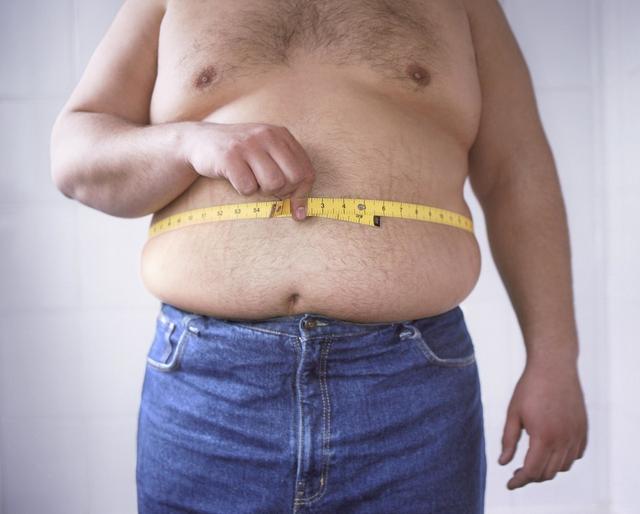
Therefore, weight loss is not about reducing weight, but about reducing body fat percentage!
A certain amount of fat is beneficial to the body’s health, but when women’s body fat percentage exceeds 24% and men’s body fat percentage exceeds 20%, you are considered obese, and fat can easily harm your health.
So, what methods can be used to reduce body fat rate?
Do we use dieting to reduce body fat rate? The answer is yes! However, dieting will also cause a large amount of muscle to be broken down.This reduces muscle mass while losing weight, which will greatly reduce the body’s metabolic rate. After recovering your diet, you are likely to become prone to obesity and have a high probability of rebound.

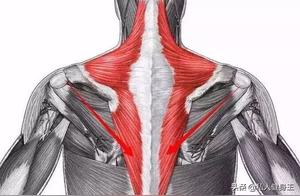
Instead, a scientific weight loss method should increase the body’s fat burning and avoid muscle loss as much as possible.Therefore, combining strength training with cardio is a training method that the author recommends.
Strength training can increase muscle mass, thus maintaining a vigorous metabolic state. Cardio can consume a large amount of body fat, depending on the intensity.The addition of strength training can effectively avoid muscle loss and even improve the body’s muscle dimension, and the two are mutually beneficial.
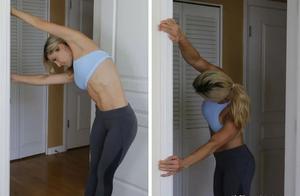
Specific exercise for weight loss:30 minutes of strength training + 30 minutes of cardio exercise, with 5 minutes of stretching and relaxation training before and after exercise.

Strength training project recommendations:
Squats, bench press, push-ups, lunges, pull-ups, triceps extensions, rowing, overhead press, deadlifts, etc.Cardio exercise project recommendations:
Running, jogging, high knees, leg raises, jumping rope, HIIT training, swimming, playing ball, hiking, climbing stairs, etc.