Not Just Tennis Players Have Golfer's Elbow? Get Rid of Pain with These Techniques
Tennis elbow, also known as lateral epicondylitis, was initially named due to its prevalence among tennis players. However, over time, this condition has become more common than just among tennis players; it's also frequently seen in housewives, carpenters, and cement workers.
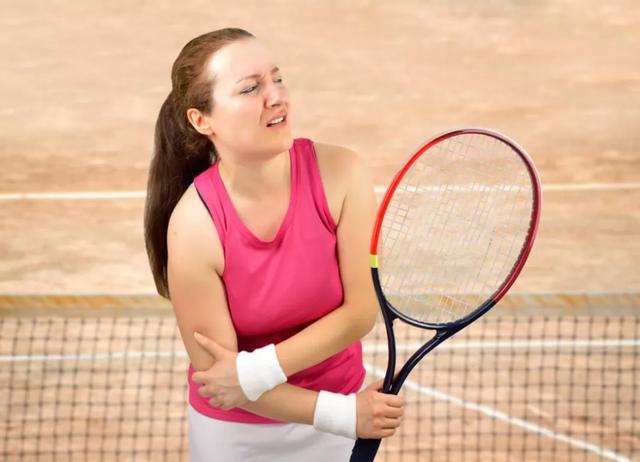
Understanding Tennis Elbow
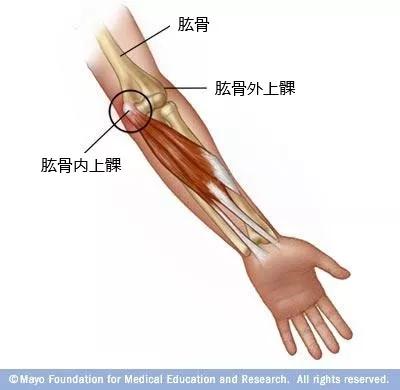
Tennis elbow, scientifically termed lateral epicondylitis, results from repetitive forceful bending and straightening of the elbow joint, coupled with frequent arm rotation, leading to chronic muscle strain and inflammation or damage of the tendon attaching to the lateral epicondyle of the humerus. This causes swelling, pain, hypertrophy, and adhesion.
The pain is generally located at the lateral epicondyle, sometimes radiating to the forearm, upper arm, and wrist.
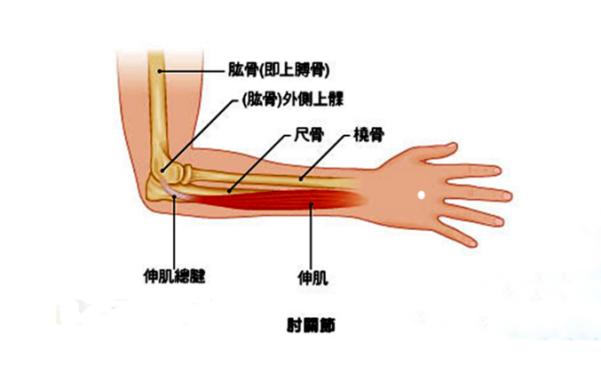
The lateral epicondyle is connected to many tendons, including the common extensor tendon, which controls finger extension.
Muscle strain and excessive tendon friction can cause chronic muscle strain. Therefore, actions like twisting towels or holding children can potentially trigger tennis elbow.
Tennis Elbow Symptoms
Initially, it manifests as pain in the outer side of the elbow joint after labor, lasting for a long time, with sharp pain upon pressing, and intensifying with time. It's exacerbated during arm flexion when lifting, but not during arm extension when lifting.
Morning stiffness that alleviates with movement, and pain intensifies in cold weather. As most people are right-handed, it is more common in the right elbow. It affects people who perform strenuous work.
Pain inhibits movement, causing the elbow joint to reduce its range of motion, combined with joint fibrosis and adhesion, further reducing joint mobility. This can lead to muscle atrophy, as well as weakness in lifting and gripping, and even dropping objects.
How to Test for Tennis Elbow
Cozen's Test
Patient sits with the elbow slightly flexed, with the examiner fixing the patient's elbow joint with one hand and applying resistance with the other hand, causing the patient to resist extending, pronating, and ulnarly flexing. If pain occurs at the lateral epicondyle, it's a positive test.
Mill's Test
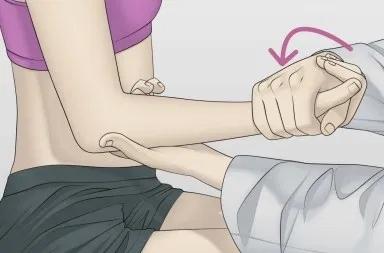
Patient sits with the examiner flexing the patient's wrist while extending the patient's elbow and pronating the forearm. If pain occurs at the lateral epicondyle, it's a positive reaction.
Additionally, imaging tests like X-rays to check for bone spurs, inflammation, or other damage are beneficial. It's important to differentiate tennis elbow from other conditions like cervical spondylosis or shoulder disorders causing referred pain.
Tennis Elbow Rehabilitation
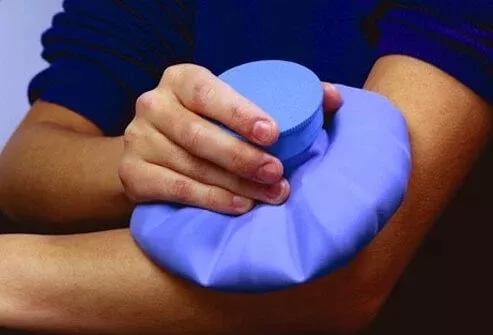
When pain occurs, the first step is to stop activities that exacerbate the pain, avoiding further pain, and ice packs can provide relief. Apply ice packs for about 20 minutes at a time.
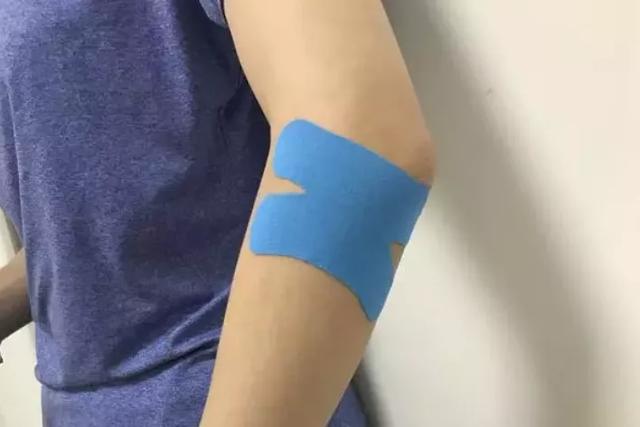
After icing, an M-shaped plaster patch with the center point located at the pain point and then radiating outwards can be used to relieve pain. A K-shaped patch can also be used.
After pain subsides, rehabilitation exercises are needed to improve symptoms and restore joint function. First, relax the muscles and promote blood circulation by gently massaging the muscles of the forearm, then use a push-pull method to clear blood flow from distal to proximal.
Stretching the Extensor Tendon
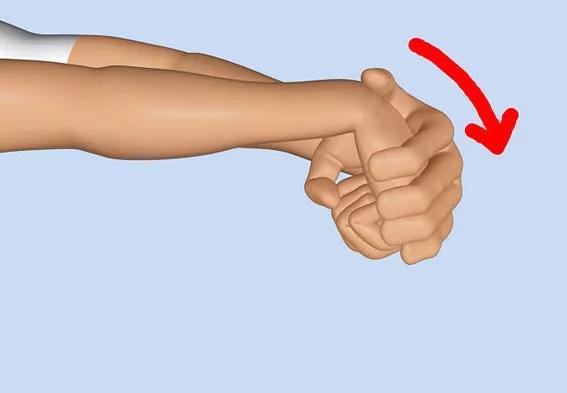
After pain subsides, slowly stretch the extensor tendon. While extending the elbow joint, slowly flex the wrist joint for 15-30 seconds per set, 3-5 sets.
Wrist Flexor Exercises
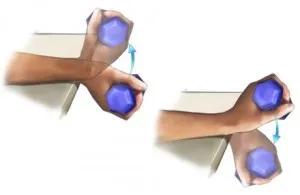
Use a dumbbell or water bottle, fix the arm, and perform a wrist resistance flexion movement, paying attention to slow return movements to exercise the wrist flexor muscles; 15 repetitions per set, 5 sets.
Finger Extensor Exercises
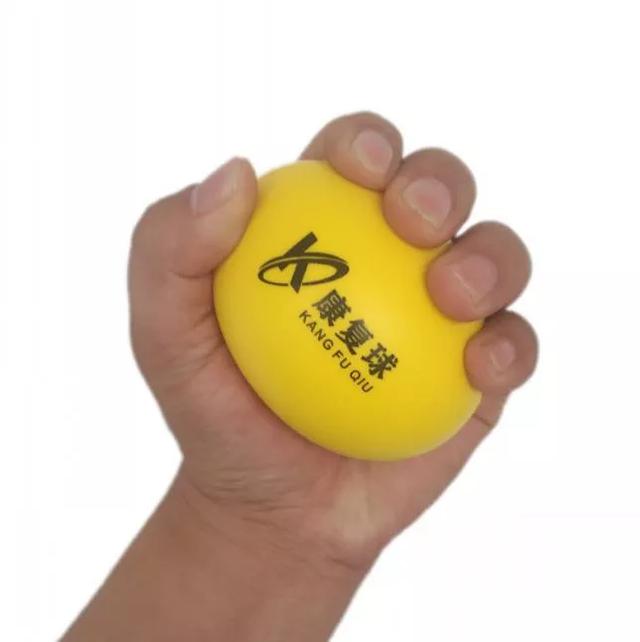
Hold a soft ball in your hand and use your fingers to grip the ball; 1 minute per set, 5 sets.
Forearm Pronation Exercises
Use a dumbbell or weight, fix the forearm, and perform forearm resistance pronation; 15 repetitions per set, 5 sets.
Elbow Flexion Exercises
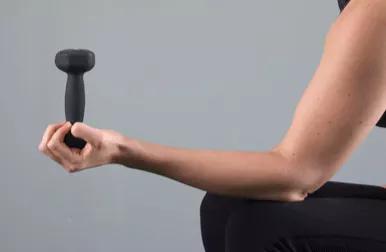
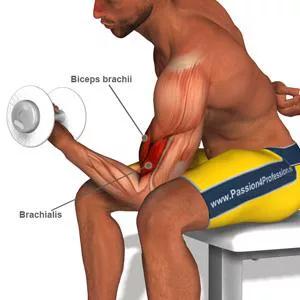
Use a dumbbell or weight, fix the elbow joint, and perform resistance elbow flexion, with slow return movements to train the concentric force; 15 repetitions per set, 5 sets.
Finally, tennis elbow is caused by bad habits such as incorrect swing techniques and overwork. Improving sports techniques and work methods can effectively prevent tennis elbow. Relaxation and training are also essential for relieving sports fatigue.