How to Maximize the Effects of Bodyweight Training?
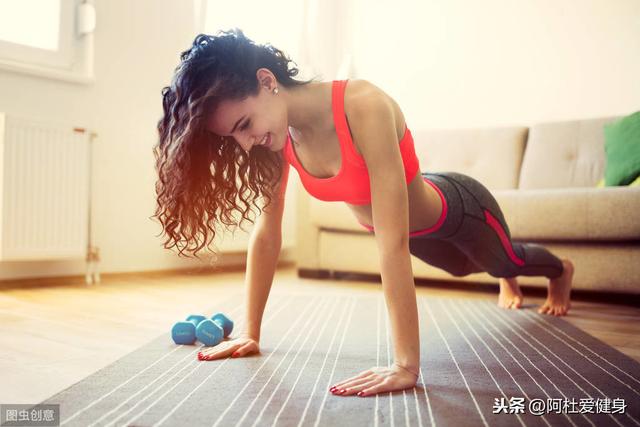
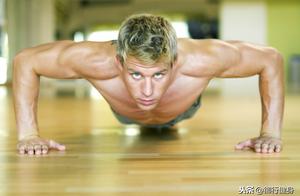
For experienced fitness enthusiasts, self-weight training is less effective than weighted resistance training in standard exercises (such as squats, push-ups, push-ups, crunches, etc.). For example, when you do a push-up, about 60% of your body weight is under stress. If you weigh 180 pounds, that means you're doing more than 100 pounds of bench presses – which is a warm-up weight for most people, but doesn't mean self-weight training is completely ineffective.
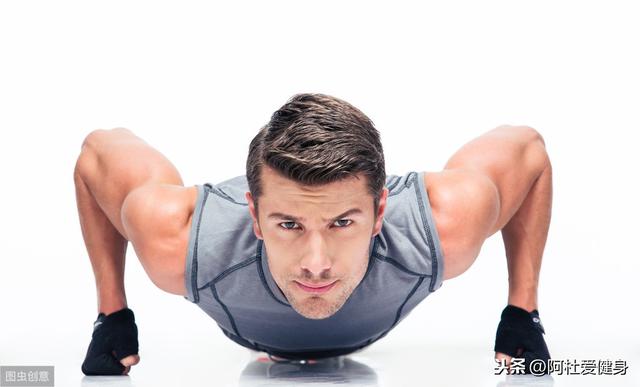
Light-weight, high-intensity training will obviously result in smaller gains in muscle mass, but self-weight training still has an effect and can slightly increase muscle mass. However, the key is that your self-weight training must enter the pain zone, if you want to increase muscle, you need to bring lactate, which will cause the release of growth factors. This can be achieved through high-frequency failure, or you can use the following methods

Overcoming Isometric Holds
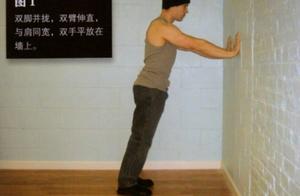
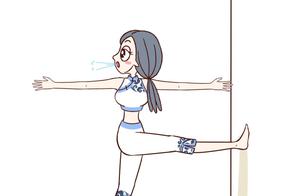
An isometric hold is one in which no joint movement occurs while contracting the muscle, and 'overcoming isometric holds' refers to pushing or pulling a fixed object. Overcoming isometric holds is not very effective in stimulating growth, but one thing is certain: overcoming isometric holds can make you stronger. When you try to make the maximum effort within 3-6 seconds, you absorb as much muscle fiber as you would with a weighted load, and the discharge rate of these muscle fibers is the same as when you perform a weighted load, or even higher. Therefore, the potential for strength gains is very high, and the gains are actually very fast

Negative Stretch Training
Negative stretch training is when you hold a stretch position under a weighted load. Self-weight training can strengthen muscles, overcoming isometric holds can make you stronger, and negative stretch training can improve flexibility while strengthening tendons (which increases the potential for strength). Many exercises use light dumbbells, but you can easily find non-fitness equipment that is heavy enough to meet your needs (bottled mineral water, bag of flour, etc.). Here we recommend push-ups and squats, you simply pause at the eccentric contraction point and hold it for a while. Each training session should maintain a tense state for about 3 minutes
Time Setting:
3 sets, each set for 1 minute
- 2 sets, each set for 90 seconds
- 1 set for 2 minutes and 1 set for 1 minute
- 4 sets of 45 seconds
- However, each set should be done to failure or close to failure. The duration depends on your strength level and the resistance you can tolerate.
Sprint Training

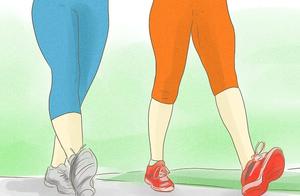
According to the distance and rest interval of sprints, short sprints can very effectively improve strength, help maintain or increase strength, make you leaner, or improve your overall fitness. 20-60 meter short sprints are very effective for energy development (of course, speed), and 200-400 meter sprints are great for helping you lose weight and improve fitness. Sprinting is simple, but if you're not used to sprinting, or haven't done it in a long time, or your strength level exceeds your sprinting technique, the risk of injury increases. Here are some injury prevention suggestions:
1. Primarily use uphill sprints
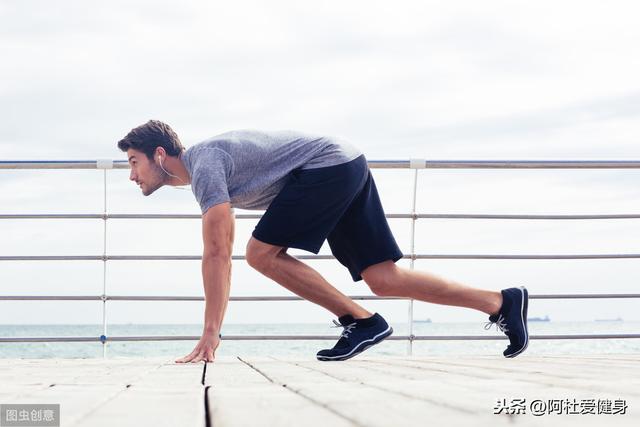
Uphill sprints are safer than flat-ground sprints because when you run uphill, you cannot fully extend your hips, and the slope forces your body into a more efficient sprinting mechanism (fore-lean), which significantly reduces the risk of muscle strains.
2. Don't 'go all out'
Even elite short-distance runners rarely go all out in short-distance races. This puts too much demand on the body and the nervous system. Generally, the lower your efficiency, the less you should approach the fastest sprint speed. Reaching 90% is fine, but when your efficiency is very high, you should try to run as fast as possible.
3. Run shorter distances faster
The less efficient the sprinting mechanism, the shorter the sprints you should run at the fastest speed. If you are a short-distance sprinting beginner, you should start with 20-30 meters, not 40-60 meters. The risk of injury increases with distance, especially for fitness enthusiasts without specialized training.
How to combine the above training methods to set self-weight training content
Ideally, you can set up training in the following way: first do overcoming isometric holds, which not only increases strength but also strongly activates your nervous system, making self-weight training more effective. Then do self-weight training, then do negative stretch training, and finally do short-distance sprints
Do two sets of isometric holds (1 set of 5 repetitions, lasting 6 seconds, with a 10-20 second rest)
Then do two to three sets of self-weight training
- 3 minutes of push-ups and squats negative stretch training
- Finally, do 4 to 6 times of 20-60 meter short sprints (to improve strength) or 4 to 6 times of 200-400 meter short sprints (to lose weight and improve fitness).
- Summary
- By utilizing the above training methods and setting up training content, you can achieve a very high intensity training effect. If you can't go to the gym and are worried that general self-weight training won't achieve the training effect, you can try these methods. This article was originally created by Adue Fitness. Please follow and learn together!