Master this movement, persistently solve the problem of arm circumference not increasing, and pay attention to these details
#MyEyesOnSpring##SpringWorkoutForce#
Why don’t people like to lift heavy weights? As long as it’s within your ability, especially when challenging heavier weights, it provides more noticeable pump. The current training effect is particularly good, but after the blood rush subsides, the arm circumference doesn’t seem to change much?
Arm growth is a long process, and big weight ≠ big arm circumference. Ignoring technique can increase the risk of injury, especially when training the triceps.
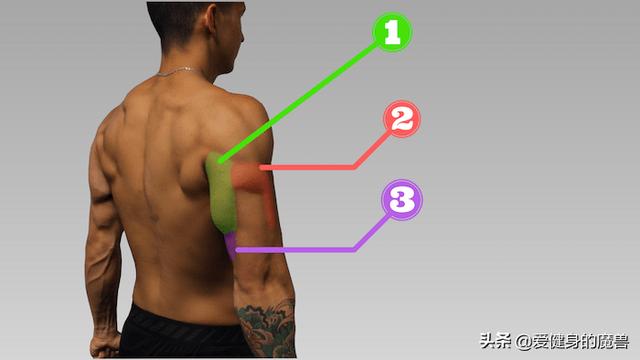
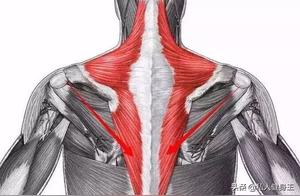
The triceps brachii is composed of three heads of muscle: long head, lateral head and medial head.When these three heads develop evenly, they will create a horseshoe or inverted U-shaped appearance when bending.
Many friends who want to increase their arm circumference should focus on compound and isolation exercises targeting the triceps, rather than the biceps.
The triceps are primarily stimulated by pushing and elbow extension movements, which can be performed on vertical or horizontal surfaces. A balanced physique needs terrifying triceps.
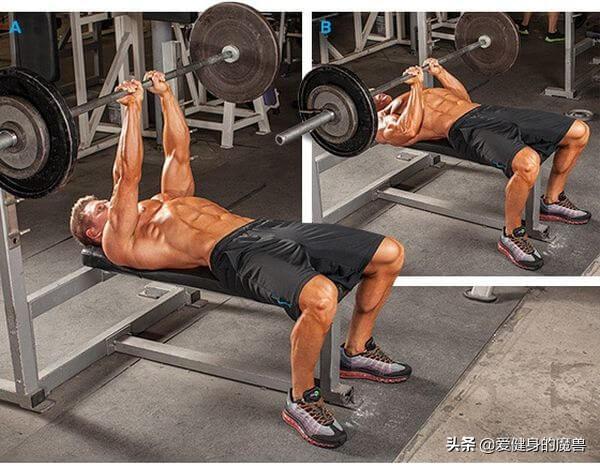
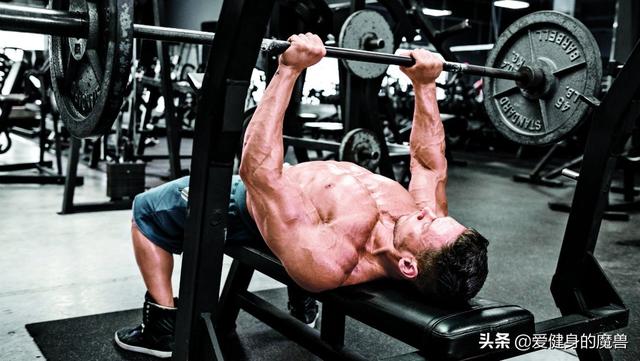
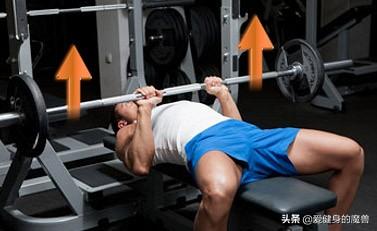
Barbell close-grip bench press is a top compound push exercise for the triceps. Chest exercises or anterior deltoids assist the muscle group during the exercise, and the sternum and clavicle head assist in the process.
Assistance muscle groups help target muscle groups. The short and long heads of the biceps play a stabilizing role in this exercise, helping to maintain posture or protect the elbow joint.
In the best compound exercises to increase triceps muscle and strength, the barbell close-grip bench press is always at the forefront.
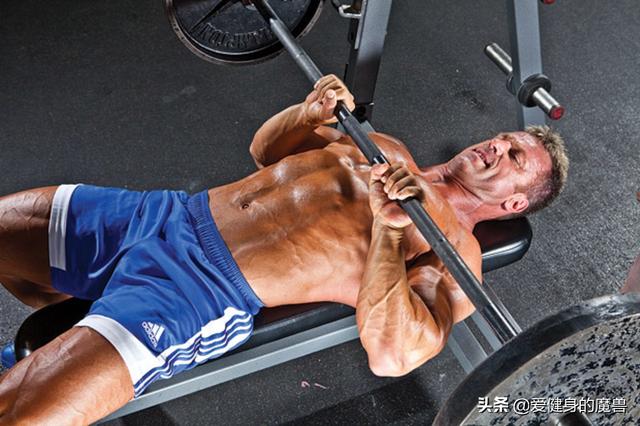
How to perform a barbell close-grip bench press?
Choose the right training weight. Ensure an even increase in weight on both sides of the bar. Don’t have 75 pounds on one side and 100 pounds on the other. Uneven weights will not improve training effects and may lead to injury.
If you are new to exercise, choose a conservative weight that allows you to safely push up 8 to 12 repetitions. When the number of repetitions is the same as the flat bench press, the weight of the close-grip bench press should be lighter.
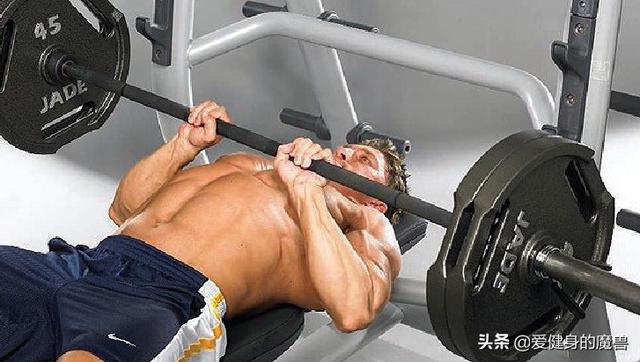
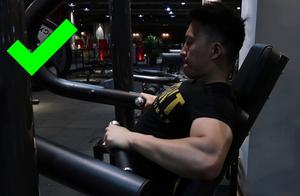
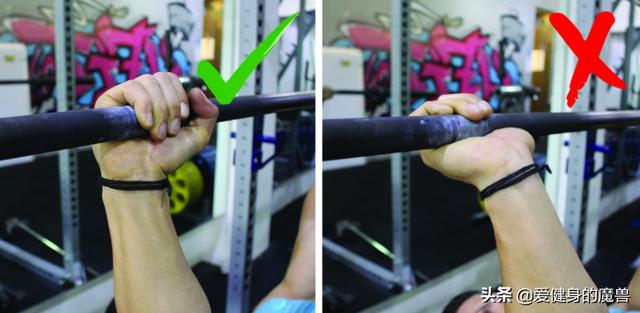
Select the appropriate working weight, place your feet flat on the floor, lie back with your head up, your upper back and glutes close to the bench. Maintain an upright posture, slump your shoulders, and use a grip slightly narrower than your shoulders to grip the barbell. Traditional close-grip (your thumb wraps around the finger joints and palm), with the palm facing outward.
After gripping the barbell, take a deep breath, tighten your abs, and either with the help of a partner, initiate the lift. Lift the barbell to a position where the arms and elbows are vertical and at shoulder height. Maintain 0 to 5 seconds at the muscle’s control point before the lowest point, then lift upwards until the arms and elbows are straight (but don't overstretch).
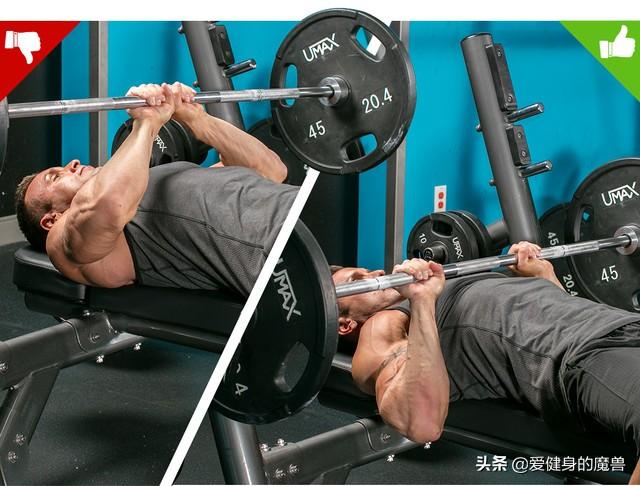
The downward and upward movement of the exercise should be the same. If you notice that your elbows are opening up, it may be because the weight is too heavy.
Some friends choose to exhale when pushing up the barbell or in between the two movements. You can choose the breathing method that feels most natural and comfortable to you.
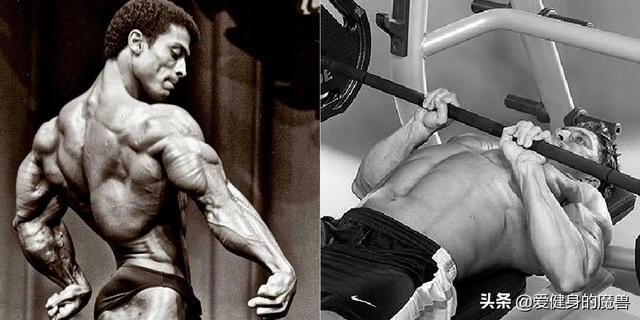
The exercise can be completed using pre-fatigue sets, decremental sets, rest-pause sets, supersets, giant sets, half-way reps or slow-eccentric movements.Just like other exercises, the two most important parts of the exercise are high-quality posture and continuous improvement of movement.
Movement improvement can take many forms (such as increasing weight, sets or repetitions, reducing rest time, improving movement quality, etc.).Close-grip barbell bench press techniques1. Maintain tension at the lowest point.
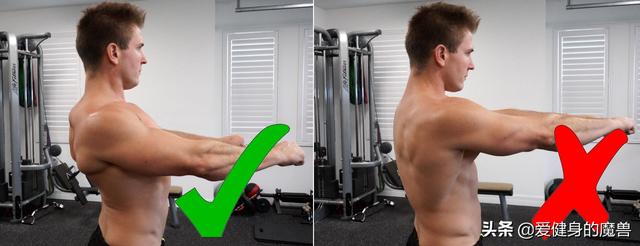
If you want to increase the intensity of the exercise, try to hold the barbell at the lowest point, touching or slightly above the chest, for 5 to 10 seconds. Don’t relax the muscles, let the barbell simply touch the body – this is a dangerous action. When you initiate the lift, start from the correct starting position to maintain tension, keep your elbows close to your body, keep your chest upright, and squeeze your shoulder blades as much as possible.
2. Maintain tension—Maintain tension throughout the movement to minimize the possibility of injury. If you’ve seen someone lose tension during a bench press lift, you know the consequences.
Start from the correct starting position when you initiate the lift, keeping your elbows close to your body, keep your chest upright, and squeeze your shoulder blades as much as possible.3. Avoid cheating
—When the close-grip bench press is completed with muscle control, it has very good effects. If your maximum weight on a flat bench press is only 60kg, don’t immediately try 100kg close-grip bench press.Place your head, hips, and upper back on the bench, don’t let the barbell bounce up at the lowest point. Momentum significantly increases the risk of injury and minimizes the stimulation of the target muscle.
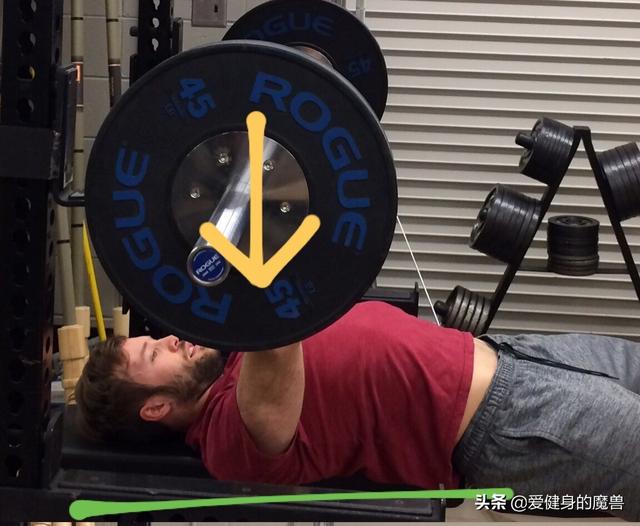
4. Don’t use an open grip
—Don’t use an open grip (your thumb and fingers wrapped around the same side of the bar) unless it's caused by an injury that prevents you from using a traditional close-grip grip. Using an open grip can slightly increase the push-up weight, but the barbell may easily roll off your palm. If you must use this unsafe grip, make sure your partner is beside you to prevent the barbell from losing control.5. 5 Supporting Points
—During the full push-up movement, your feet should be flat on the floor, and your head, hips, and upper back should be supported on the bench. The stability of the 5 supporting points will help maintain tension and complete high-quality movements.
The method must be practical and reliable. One exercise has 5 important points to avoid injury, and it can also make the training effect visible. Next time, don’t blindly increase the weight! Pay attention to us, share more fitness tips!(This card has been added to Today Headline client, please view it.)
5. 5——5
5