Starting Technique: Mastering the Take-Off from Here

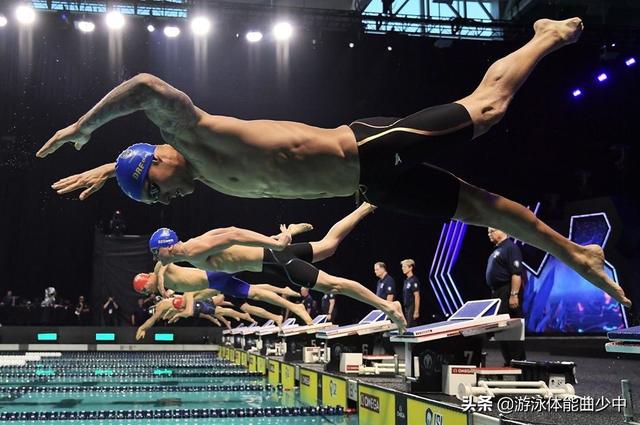
Taking off, turning, and edging techniques are very important for competitive athletes, especially short-distance athletes. A good starting position advantage often determines the outcome. For us fitness and swimming enthusiasts, mastering the take-off technique will make our experience of this sport more complete. This time, let's share the framework and precautions of the take-off technique.
The three stages of take-off
Take-off can be divided into three stages: the starting action, the jump action, and the entry into the water action. Each stage's action is interconnected, for example, if the starting action is unstable, it may affect the following entry into the water action. Let's introduce these three stages one by one:
1. Starting Action

On your mark, you should be in this posture when standing on the starting block. The stability of the starting action is an important foundation for the subsequent jump and entry into the water. The following are the precautions for the starting action:
- Tibia vertical to the starting block
- Maintain the center of gravity on the supporting side, with the back foot on the back board
- At this time, the body's center of gravity should be stable at the hip position
- Four fingers grip the front edge of the starting block
- Relax, keep breathing.
2. Jump Action
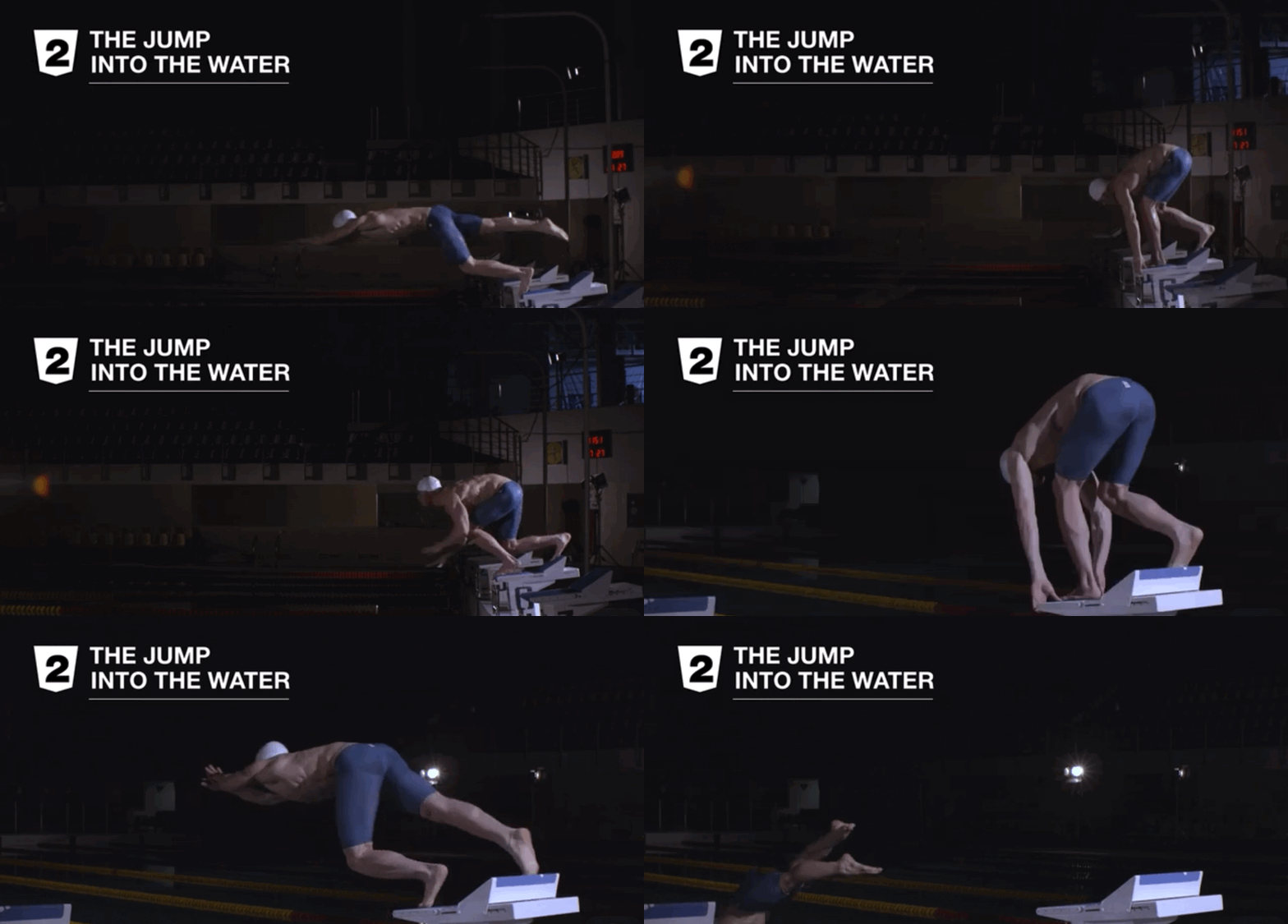
Under the stable starting action, the burst of power launched determines the speed of the take-off, which will greatly affect the course of the competition. For example, Driesel's take-off often makes him take the lead in the competition. The key points of the jump action are as follows:
- Exhale, core muscle instantly tighten
- Reach out and pull the starting block tightly, like a stretched bow
- Shift the center of gravity forward, activate the hip muscles on the supporting side
- Maintain a tight trunk state during the jump.

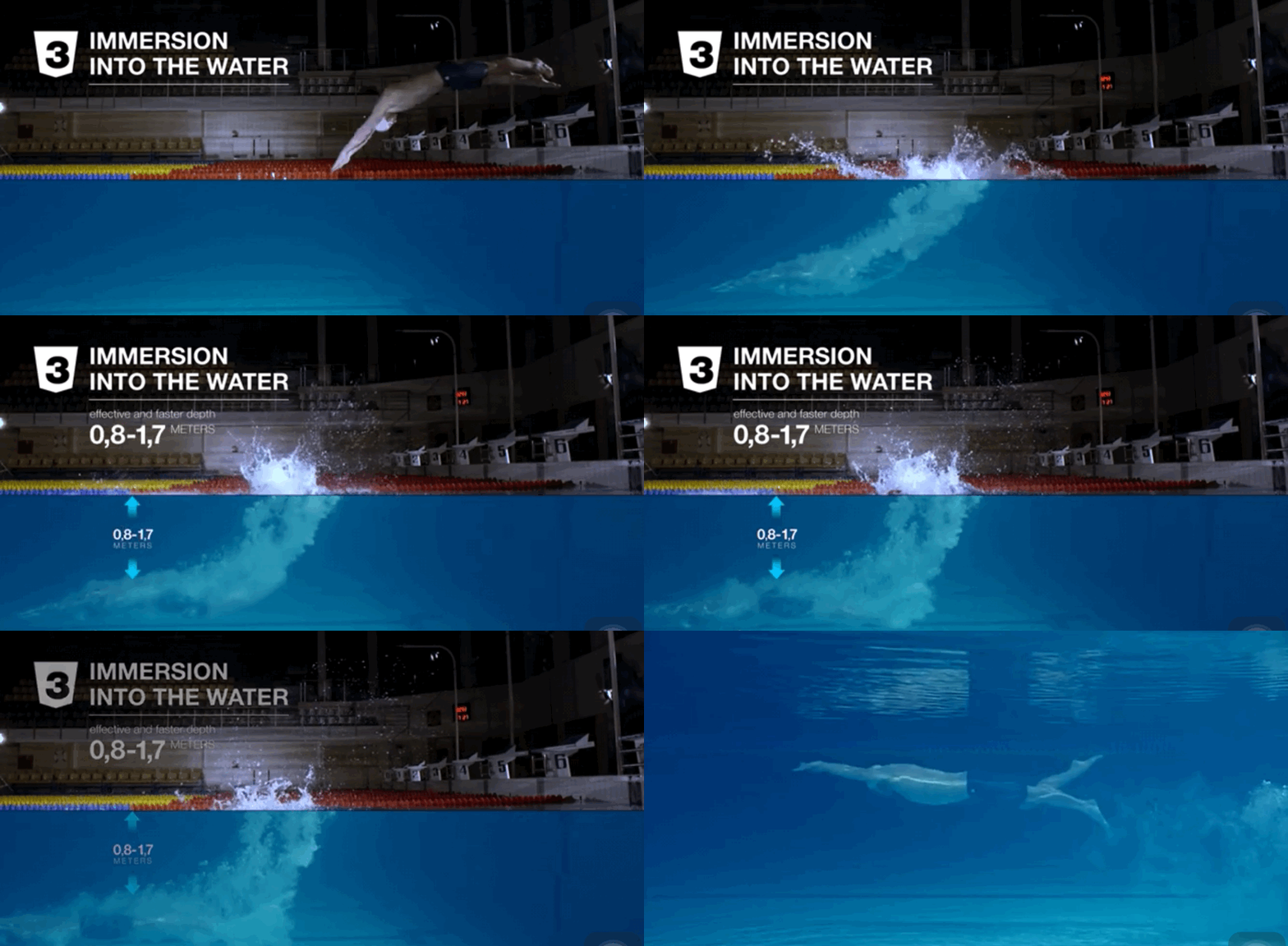
3. Entry into the Water Action

In the standard of the previous two stages' actions, the body will control more relaxed in the entry into the water. The following are the key points to note:
- The entry angle is about 45 degrees
- In the downward stage before entering the water, pay attention to tighten the lower limbs and maintain a streamlined shape
- After entering the water, basically start at a water depth of about 1 meter and start dolphin.
Common Problems
As fitness and swimming enthusiasts, learning take-off is not an easy task. The following are common problems, see if you are at which point.
1. Always being 'patted' to the abdomen and legs
Every time I jump in, I feel 'hard-hit' to my abdomen and legs, my body turns red and white. This is mainly because we haven't found the best entry angle in the second stage.
2. Entry too deep or entry too shallow
The problem of entry depth is related to the entry angle. It takes a separate tutorial to help you adjust the entry angle, as long as you follow the steps and practice repeatedly, you can easily take-off, especially for fitness enthusiasts with good physique and strong body control.
3. Afraid to practice what to do
I feel that the take-off action is very cool and I want to learn, but I feel a little 'fear of heights'. This is a problem I often encounter. In fact, most of this situation is that you haven't mastered the basic water and swimming action skills. At this time, we shouldn't be hasty, first get familiar with the deep water environment, then learn streamline swimming skills, and then try to take-off will be better.
Summary

This is the framework and precautions of take-off. In the take-off framework, the starting, jump and entry into the water actions are all detailed and teaching processes and related problems. In the future content, I will break it down and detail it for everyone. If you have any suggestions, please leave a message, thank you for your support.