Soft and Melts-in-Your-Mouth Meat Crusted Bread, Handcrafted, Amazing Pull-Apart Effect!
Starter dough is a simple yet effective way to achieve a soft bread. By heating, the flour is gelatinized, increasing the hydration and resulting in a softer bread.

Starter dough: 20g high-gluten flour, 100g water.
Dough: Cooked and cooled starter dough, 250g high-gluten flour, 5g yeast, 30g sugar, 3g salt, 1 egg, 50g milk (approximately), 30g butter.
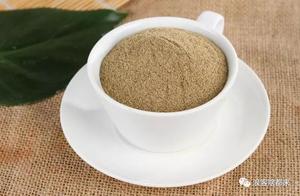
Filling: As much salad dressing, as much meat powder.
A small spoonful of honey (brush on the surface).
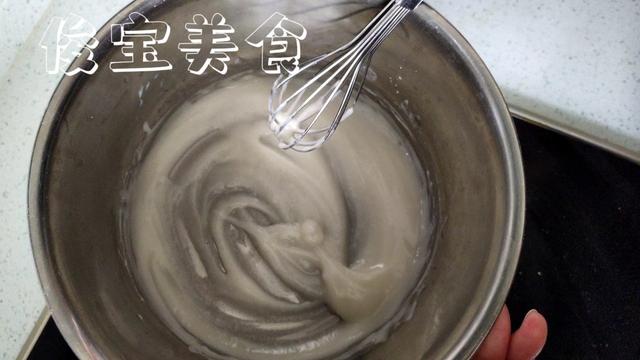
① First, make the starter dough. In a small saucepan, add 20g of high-gluten flour and 100g of water, and stir until no dry powder remains. On a small fire, stir while heating. If you have a thermometer, you can measure the temperature of the flour paste to around 65°C and then turn off the heat. If you don’t have a thermometer, just look at the state, heat until it becomes a medium-thick paste with visible texture. Turn off the heat and cool.
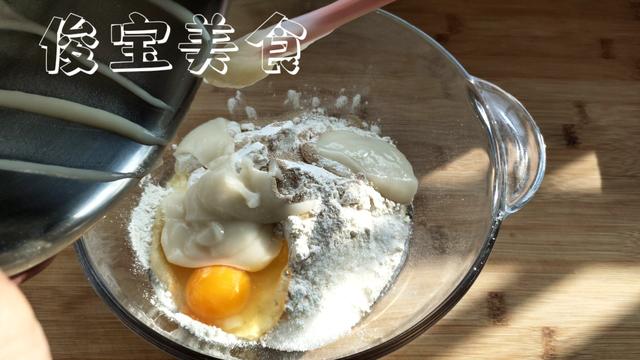
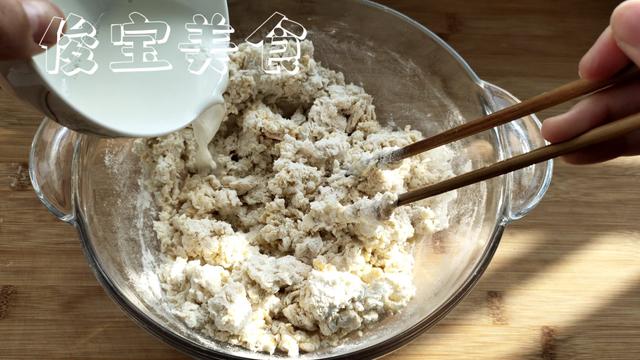
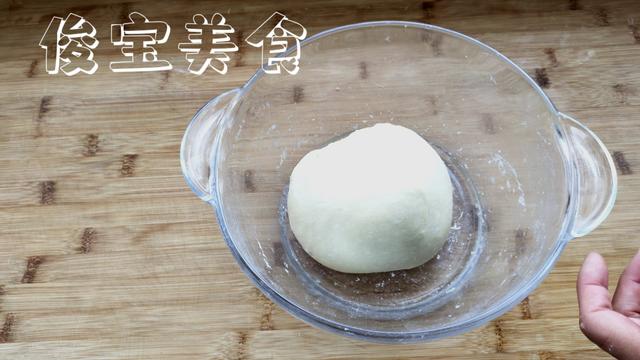
② Use a large basin, pour all the ingredients except the butter into the basin, and mix into a slightly soft dough. The absorption rate of different flours is different, so the amount of milk is just an approximate value, you need to adjust according to the humidity of the dough. You can first reserve 10g of milk, after kneading the dough, see if you need to add it completely. The final dough should be soft, with a slightly sticky texture, which is the best. Then seal and refrigerate for 40 minutes.
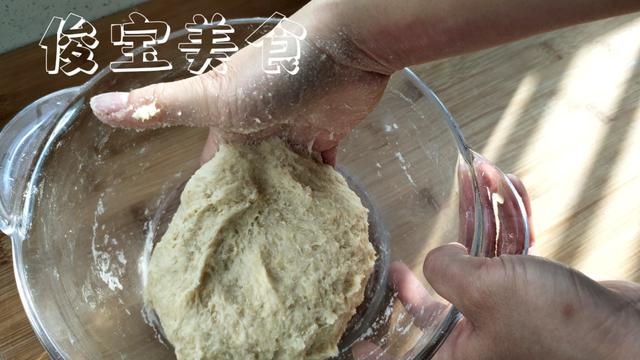
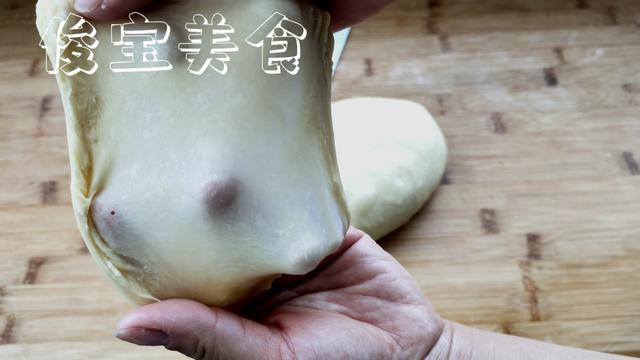
③ Cold dough is easier to stretch. Of course, if you have a kitchen machine at home, this step is unnecessary, just directly use the kitchen machine to knead the film. If you knead the film by hand, this step is very necessary. This is the film I just took out of the refrigerator, and after kneading it once, it's already a relatively rough film. This greatly reduces the kneading time and difficulty.
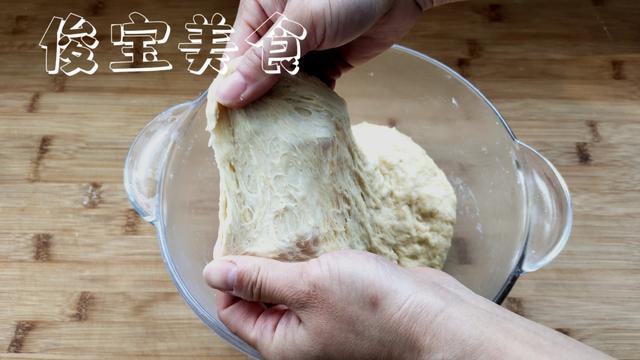
④ Next is the kneading of the film. During the kneading of the film, if the case board is sticky, you can brush a little corn oil to prevent sticking, but don’t use hand powder. Use the same method as rubbing clothes on a rubbing board – push and pull the dough with your palms, and then pull it back in. Or use the kneading method: form the dough into a strip, forcefully smash it on the case board several times, and it will become longer, then fold it over and continue to smash. These two methods can speed up the film-making process.
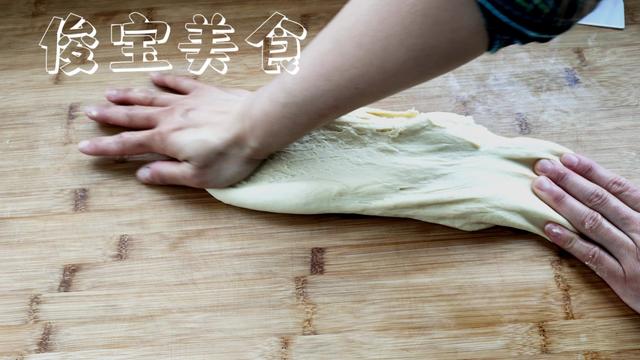
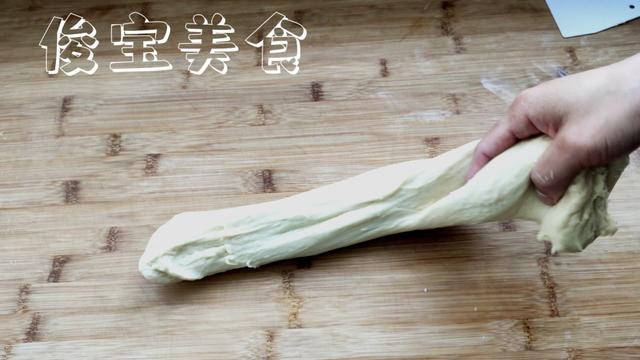
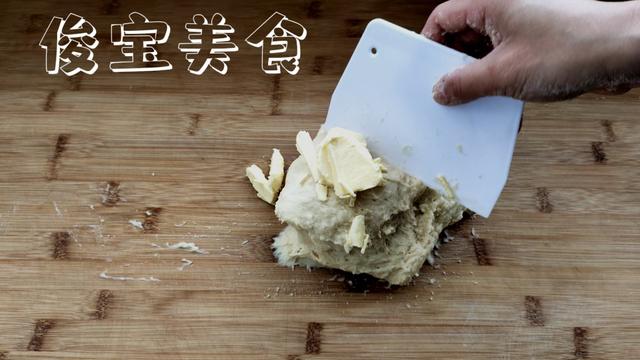
⑤ Knead for 3 to 5 minutes, when a relatively thick film is produced, add 30g of softened butter, and continue kneading until the butter is fully absorbed into the dough, and the dough will become particularly soft and have a good hand feel. At this time, it’s basically possible to stretch out a thin film, so you don’t need to use gloves.
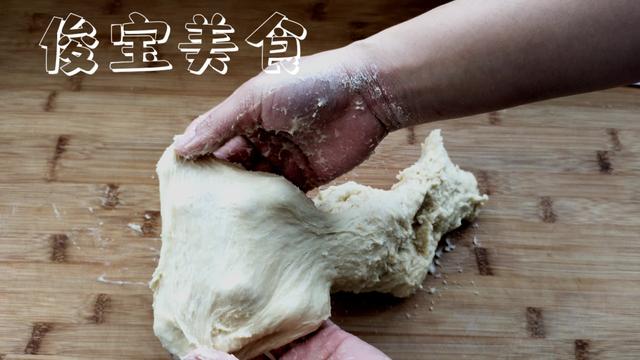
⑥ Put the dough back into the basin and place it in a warm place to ferment.
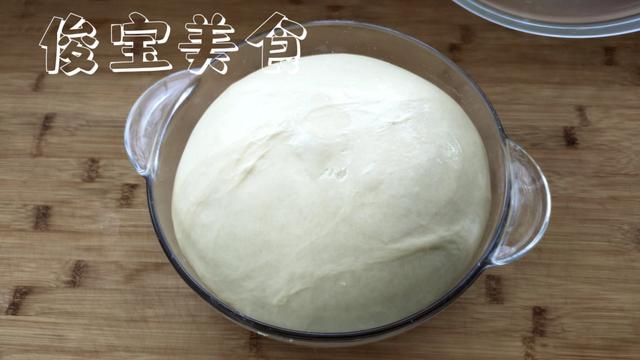
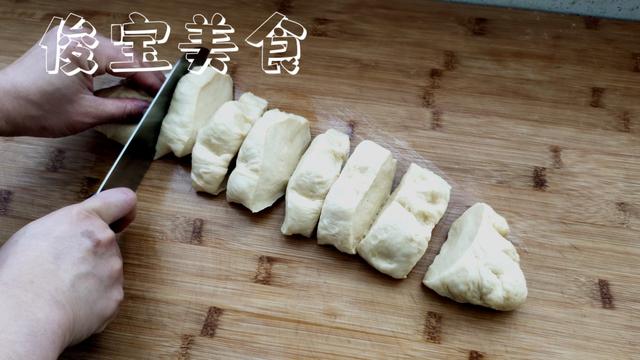
⑦ This is the fermented dough, which is three to four times the original size. On the case board, brush a little corn oil to prevent sticking, don’t knead the dough, just form it into 8 strips. Divide the dough strips, and roll them into square slices. Brush a thin layer of salad dressing, sprinkle with meat powder, and roll it up, pinch the two ends tightly, and one bun is finished.
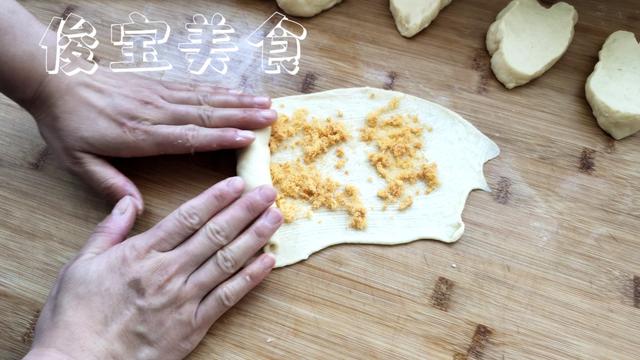
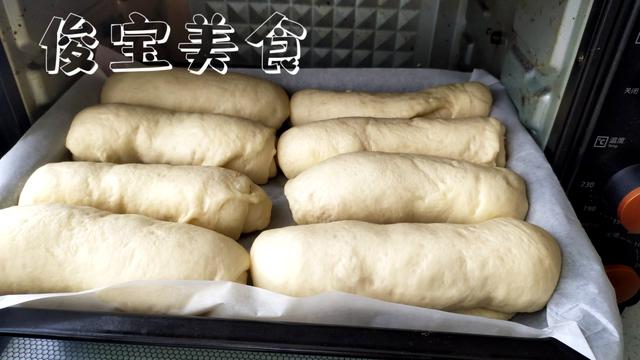
⑧ When baking, pay attention to the appropriate distance between the baking trays to leave space for the second fermentation. Cover with plastic wrap to prevent the outer layer from drying out, and place it in a warm place to ferment until it’s three times the original size. I often use the oven for secondary fermentation, at around 35°C for 40 minutes, which is good.
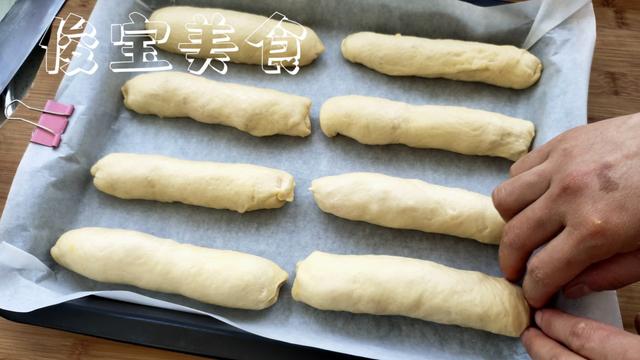
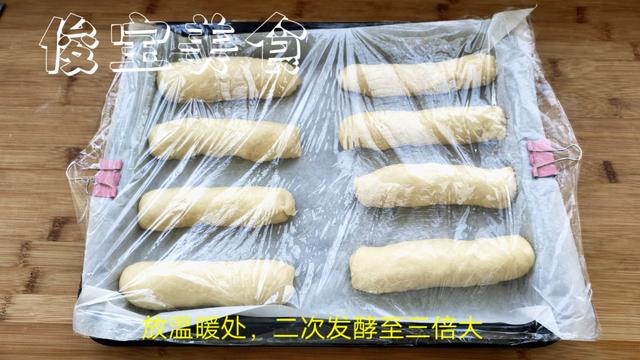
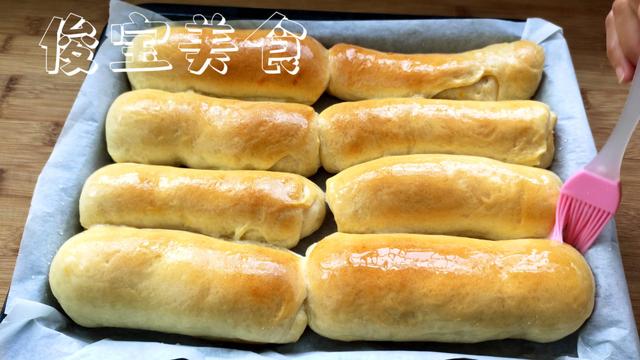
⑨ Before baking, remember to remove the plastic wrap, bake at 150°C for 20 to 25 minutes.
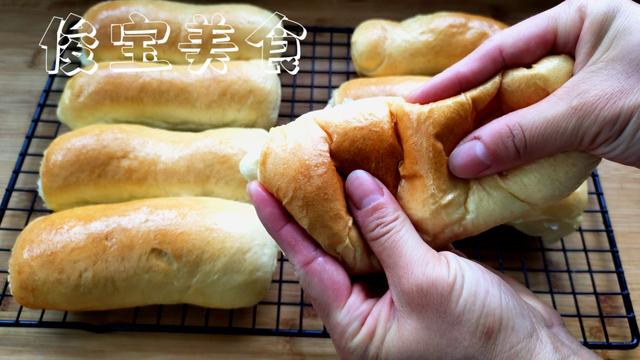
⑩ Bake until the surface is browned to your satisfaction, then take it out and brush with a layer of honey water. Honey and water can be mixed one to one, and brushed directly on the surface. Honey water not only softens the bread, but also makes it fragrant and sweet when eaten. Really soft and unbelievable, with a pull-string effect! There's a lot of meat powder, right? I used to buy meat powder bread in the bakery, and it always felt like there wasn’t enough meat powder. Because I liked meat powder so much, I wanted to make it myself and eat enough.