How Long to Steam Buns? 15 Minutes or 30 Minutes?
Welcome everyone toFood A Plan! Today I'm sharing some food knowledge with you, hurry up and see if you need it,Follow meupdates daily!
This year everyone was trapped at home, and many friends saw a lot of noodle tutorials online, so they were very moved. It's actually very simple to make noodles, just prepare flour and yeast, you can make all kinds of fancy shapes, such as buns, steamed buns, flower bags, cold skin, pancakes, etc.
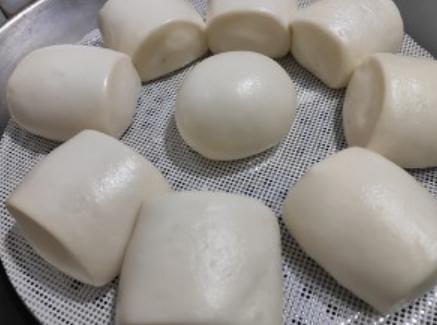
Does it take 15 minutes or 30 minutes to steam buns?
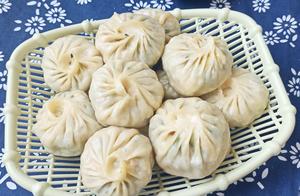
Today let's talk about how to make steamed buns. There are also many tutorials on how to make steamed buns online, and you can learn it in a few videos, but when you actually operate, many friends are very confused, such as when steaming buns, some people say to steam for 15 minutes, and some people say to steam for 30 minutes, so how long does it take to steam buns?
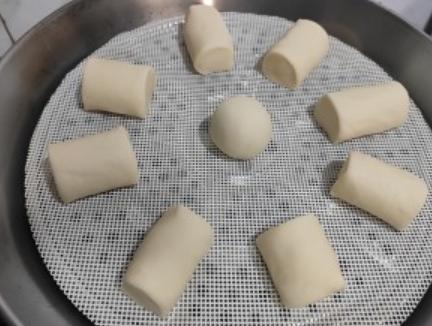
First, let's introduce how the steaming time of buns is calculated. This time is not calculated from when the steamer is put on, but from when the hot air rises.
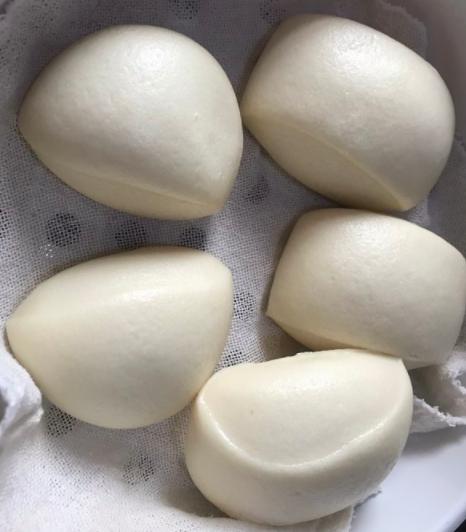
Generally speaking, the buns at the bottom heat up faster, so the bottom buns are the first to cook, while the top buns take longer to heat up, so they are relatively cooked, if you make buns of different layers, you need to steam for different times.
If there's only one layer of buns, it takes about 15 minutes to steam, 2~3 layers of steamer need to steam for 20 minutes, and 4 layers of buns need to steam for 25 minutes, and adding 1 to 2 layers of steamer adds about 5 minutes each.
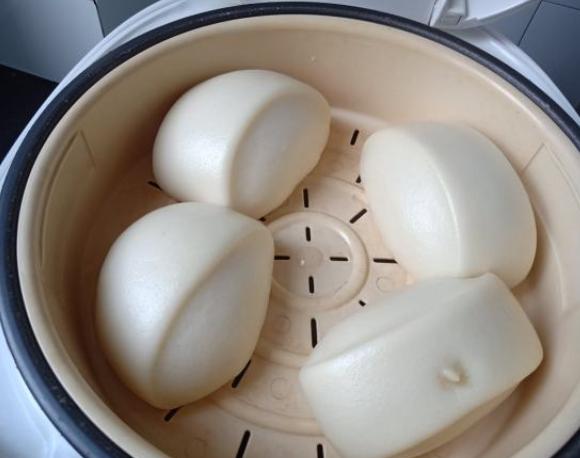
When steaming buns, is it cold water or boiling water to put in the pot? Many friends have their own opinions. If there are many layers of buns, it's best to steam with boiling water, so the buns won't deform or be raw.
In addition to controlling the steaming time of buns, there are many other things to pay attention to. The methods of different people make the steamed buns different, but as long as you master a few key points, everyone can succeed.
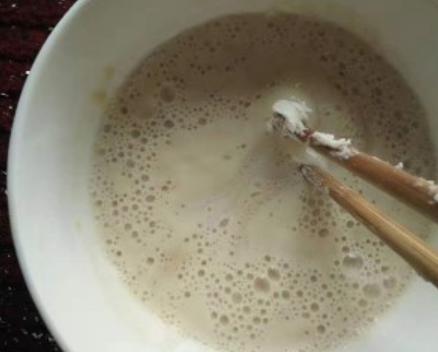
The first key point is to dissolve the yeast in warm water before kneading the dough, because the room temperature is very low in winter, adding yeast directly will not activate its activity, so many friends find that the dough doesn't rise, this is because the yeast hasn't been activated, you can observe the yeast, which is very simple, if the water surface has a lot of dense bubbles, then the yeast is active.
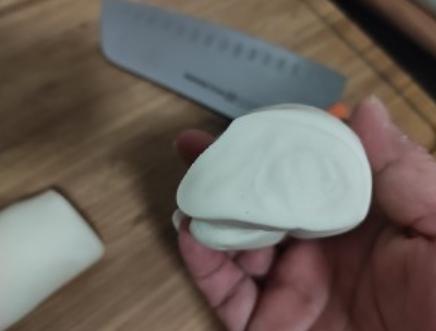
The second key point is to fully knead and deflate the dough. After the dough is well-formed, you need to remove the gas inside, kneading also uses techniques, use your hands to push the dough with the movement of your wrists, knead back and forth repeatedly, so as to form a smooth dough.
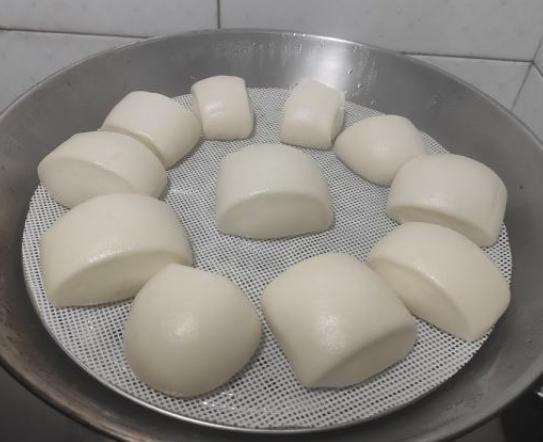
The third key point is the second fermentation. After kneading the dough into shape, don't rush to cook, now put it in the steamer for fermentation, when the dough is about twice its original size, it's about to ferment, after the water boils, put it on the steamer for a while, and don't take it out immediately after it's cooked, let it rest for a few minutes, so that the dough won't shrink when it's cold, and the buns will be fluffy.
Dear readers, the key points for steaming buns have been introduced above, I wonder if you have learned them? If you have other small tips for making soft buns, welcome to leave comments and discuss with other readers.
Do you encounter these problems in life? If you are interested, please followFood A Plan, and don't forget to like and share!
(This article is original fromFood A Plan, pictures are from the internet, please contact us to delete if there is any infringement)