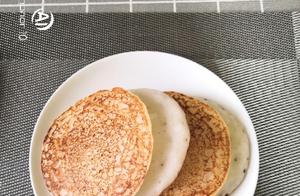
Easy Steamed Bun Recipe with Red Dates – No Need to Knead or Beat, Fragrant and Soft
Many people are making cakes at home recently. Cakes require beating eggs, which can be challenging for beginners, and the success rate is not high. Today, let's make red date steamed bun, which is simpler than cakes. Steamed buns don't require as much technique as cakes. The method is very simple, basically everyone can succeed.
Steamed buns are made by adding yeast to the batter. Under the appropriate temperature and humidity, the yeast reproduces and produces gas. When the yeast bacteria creates an oxygen environment inside the dough, it converts starch and consumes it, releasing carbon dioxide gas. The dough then expands in volume, resulting in steaming. Many people are not clear about the principle, so they cannot distinguish between cakes and steamed buns. Steamed buns are made by yeast fermentation to produce gas, which is a chemical reaction. Cakes are made by quickly beating protein, which quickly introduces air into the protein, resulting in volume expansion, which is a physical reaction. It is easy to confuse the two because people don't understand the principle.
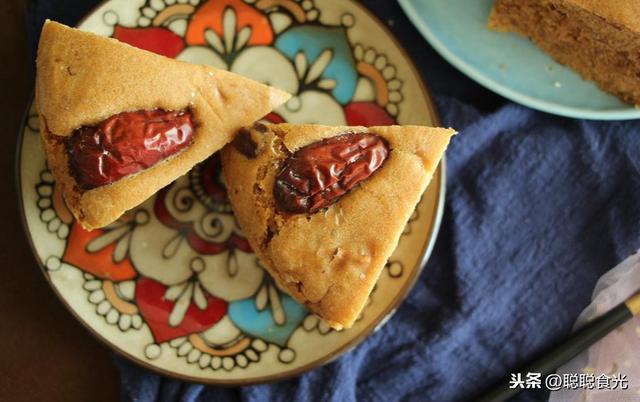
Red date steamed bun recipe
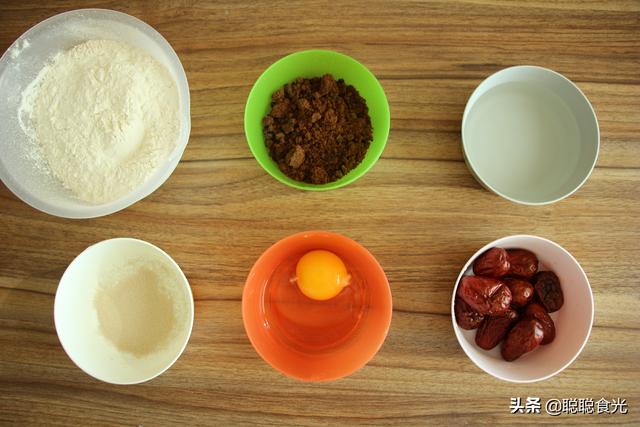
Ingredients
Flour 250g, brown sugar 50g, hot water 180g, yeast 3g, egg 1
Operation steps
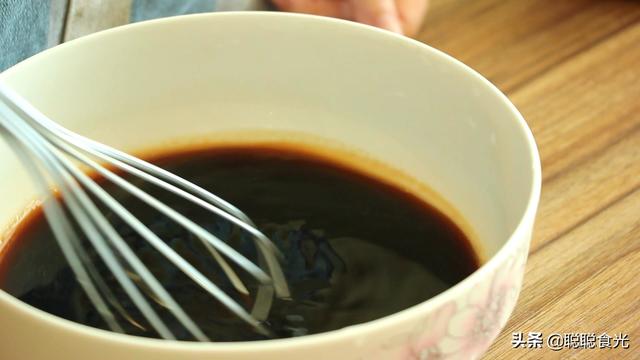
Step one:Pour brown sugar into a bowl and add hot water to melt. Stir until the brown sugar is completely melted and there are no granules. Let the brown sugar water cool to hand temperature and add yeast powder, then stir well. Do not put yeast in hot water, as it will lose its activity due to the heat.
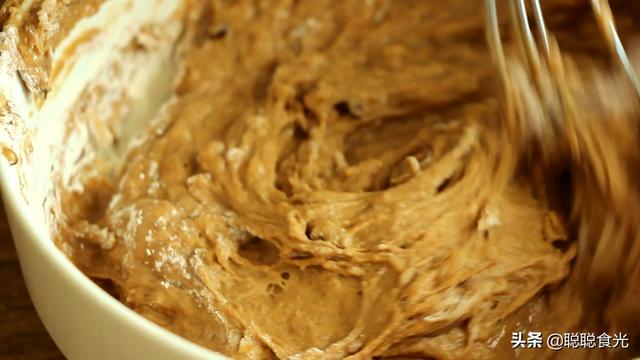
Step two:Add all the flour and a whole egg, stir until there are no dry flour granules. I use whole wheat flour, which is slightly coarser than normal flour. Mix well and let it stand for a while.
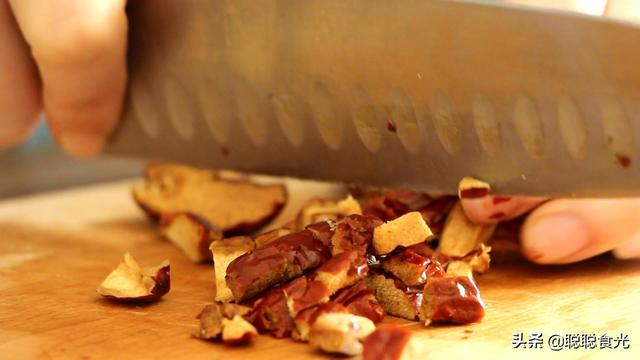
Step three:If the red dates are dry, soak them beforehand. Cut them in half from the middle and use them as decoration on the surface of the steamed bun. Cut some red date shreds.
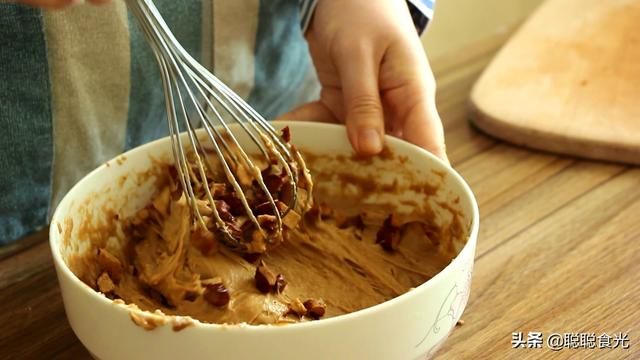
Step four:Pour all the red date shreds into the brown sugar batter and stir well. The batter should be a slightly viscous state with a little flowability.
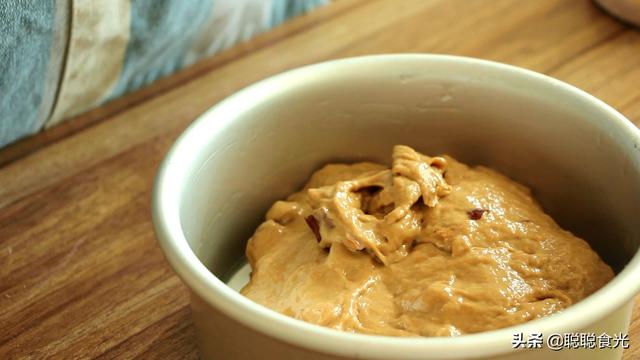
Step five:Brush oil on the mold or bowl. Pour the red date batter into the mold about 5 minutes full. If the container is small, put in more molds, don't pour too much to prevent overflow during fermentation, flatten the surface and cover with plastic wrap.
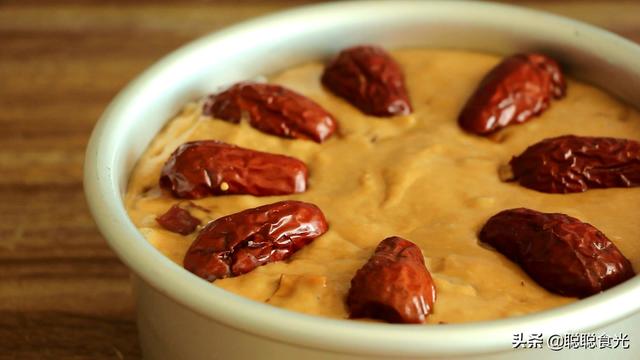
Step six:After fermentation, the mold is about 9 minutes full. Arrange a few red date slices and half red date pieces on the surface for decoration. Cover with plastic wrap and put it into a steamer. Steam for 30 minutes. After steaming, let it stand for 5 minutes before taking it out. This prevents the surface from shrinking after cooling.
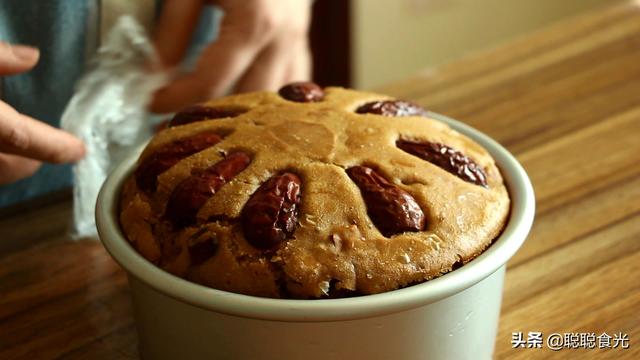
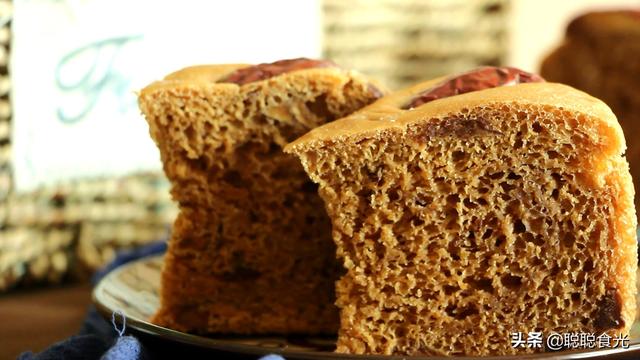
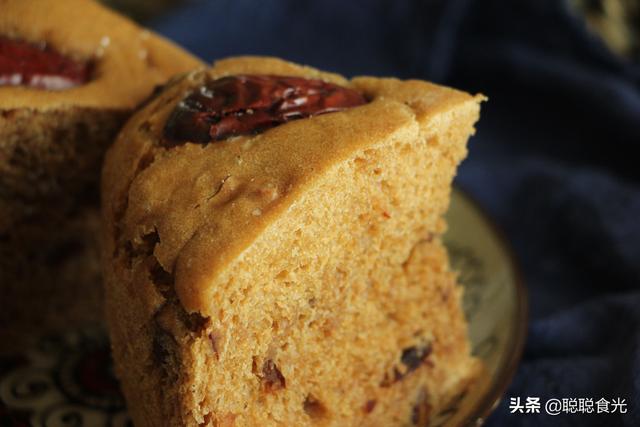
Step seven:Take it out and remove the plastic wrap. Let it cool to a non-hot temperature. Take out the steamed bun from the mold and check that the side wall of the steamed bun has many air holes after steaming. It's steamed very successfully.
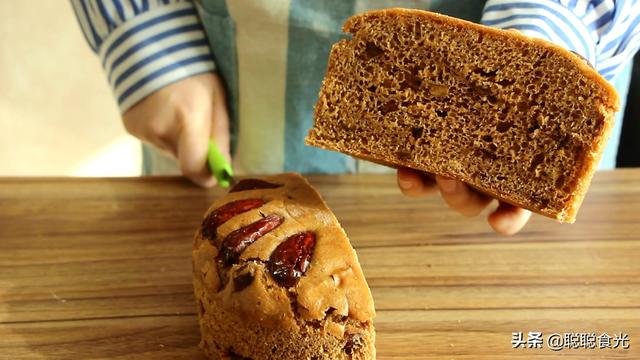
Step eight:Cut it open to see the internal structure. It's simple and convenient to ferment, but there are many air holes inside, without collapse, which means the steamed bun is steamed successfully. It's very elastic and fluffy.
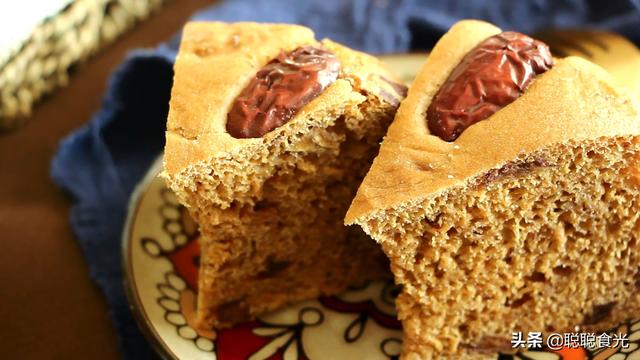
Red date steamed bun is fragrant and fluffy. Steamed buns are simpler and easier than bread and cakes. They don't require beating eggs and don't require double fermentation. As long as you pay attention to the steaming time, the inside will be completely steamed, and the surface is covered with plastic wrap to prevent water vapor from dripping into the batter, preventing the yeast from being inactivated and causing collapse.
Tips
1. Brown sugar needs to be melted in hot water. After melting, let the brown sugar water cool to hand temperature before adding yeast. Do not put yeast in hot water, as it will lose its activity due to the heat.
2. The flour for steamed buns doesn't require high standards. Low-gluten, medium-gluten or high-gluten flour can be used. The different gluten content will affect the texture. Low-gluten flour has a fluffy texture, medium-gluten flour has moderate elasticity and fluffiness, and high-gluten flour has better elasticity but a slightly less fluffy texture.
3. Before pouring the batter into the mold, brush oil on the mold. The batter should not fill the mold by 80%, because the batter will expand during fermentation, so filling too much will cause overflow.
4. When steaming, add a plastic wrap to the pot to prevent water vapor from dripping into the batter, which can cause yeast inactivation.
5. After steaming, let it stand for 5 minutes before taking it out to prevent it from shrinking after cooling.
This article was created by Cong Cong Shi Guang, mainly sharing home-cooked dishes, private dishes, Western dishes, baking, desserts, steamed buns, etc. If you are interested in food, you can follow. If you have any questions, please leave a message at the bottom of the article. Cooking techniques are constantly changing, and the author's opinion is not the only one. Please respect each other and learn together.