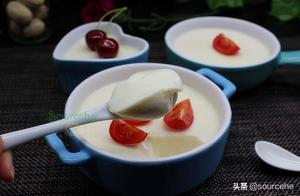
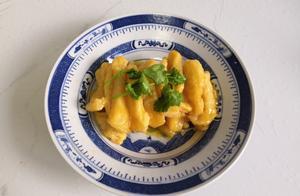
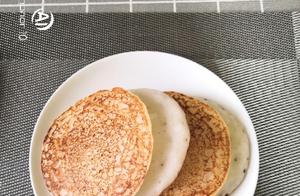
If you want authentic sweet potato noodles, it's better to make them yourself. The method is simple, 100% genuine.
Sweet potato starch has many uses. It can be used to make jelly cubes and as a flavoring in many dishes. However, most of the sweet potato starch on the market is fake. Even in rural areas, it's difficult to buy authentic sweet potato starch; you need to rely on connections to get it.
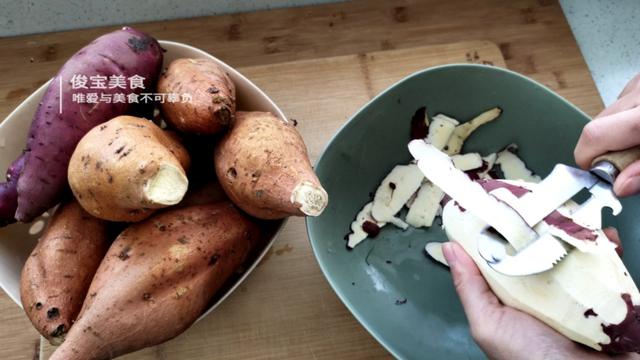
① Wash and peel the sweet potatoes. White-core sweet potatoes have a higher starch content, which is best.
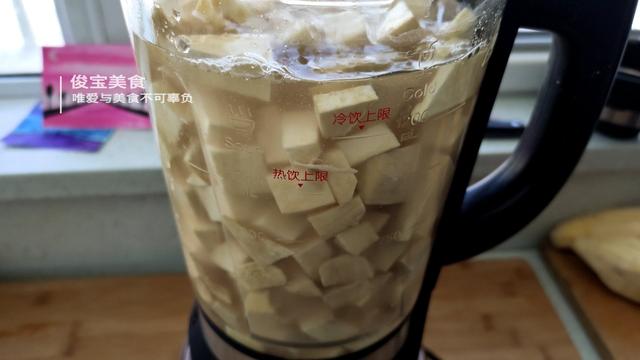
Cut the sweet potatoes into small pieces and put them into a food processor. Juicers, blenders, or even soy milk makers can be used. Add an appropriate amount of water, covering the sweet potatoes. Then, turn on the power to process them into a slurry.
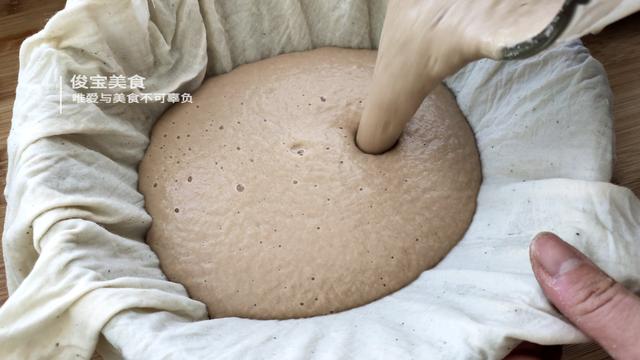
② Line a basin with cheesecloth. Pour the sweet potato slurry into the cheesecloth, squeezing out excess water.
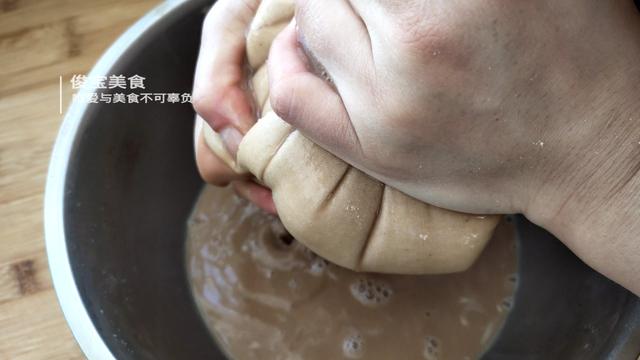
Do not discard the squeezed water. Let it settle, and then wash the sweet potato starch three times with clean water, kneading it with your hands throughout the process. Continue washing until the water in the basin is clear.
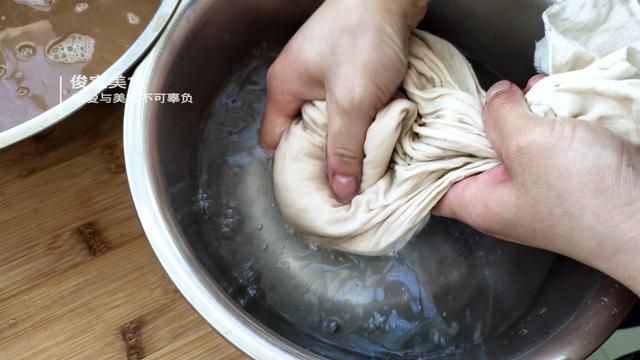
Repeat the washing process twice more. Washing the sweet potato starch at least three times ensures a thorough cleaning. If you have the patience, washing it two more times is also fine. Continue washing until the water in the basin is completely clear.
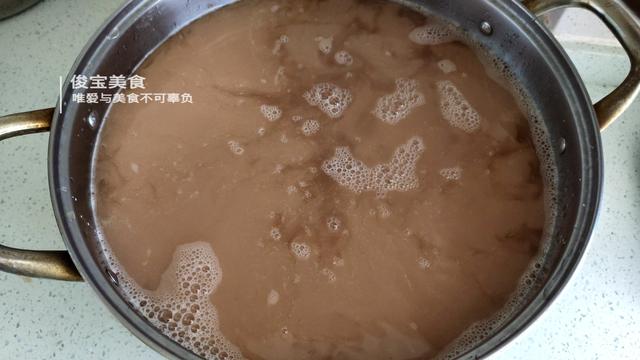
③ After the second washing, repeat the process twice more. The sweet potato starch will be thoroughly cleaned when the water in the basin is clear. Don't stir the sediment.
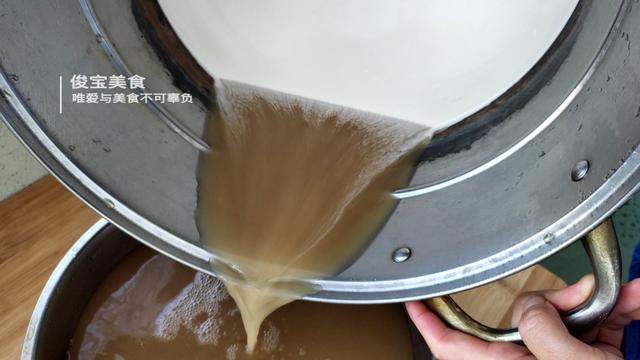
④ After settling, gently pour off the top water, and a white paste will appear underneath – this is the sweet potato starch you need.
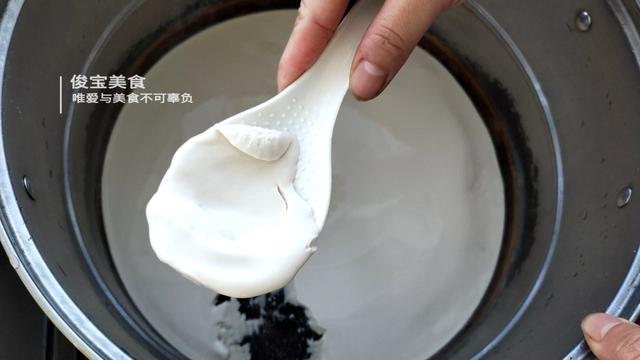
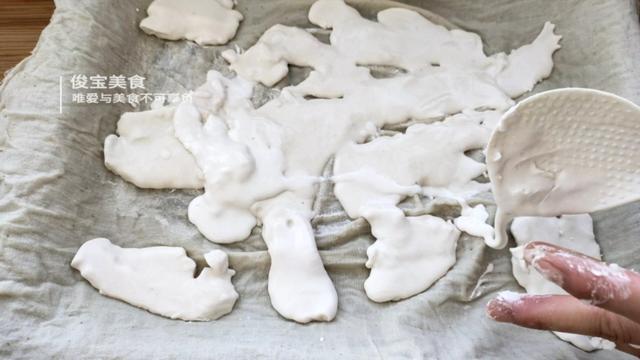
Use a spoon to scoop out the starch and place it on a piece of cheesecloth. Use the cheesecloth to absorb any remaining moisture, reducing the drying time.
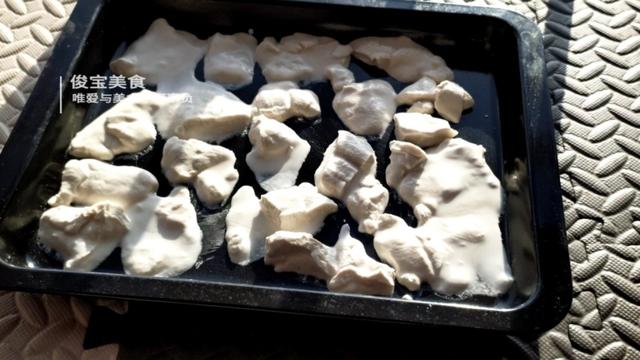
⑤ Then, break it into pieces and place it on a plate, and put it in the sun to dry.
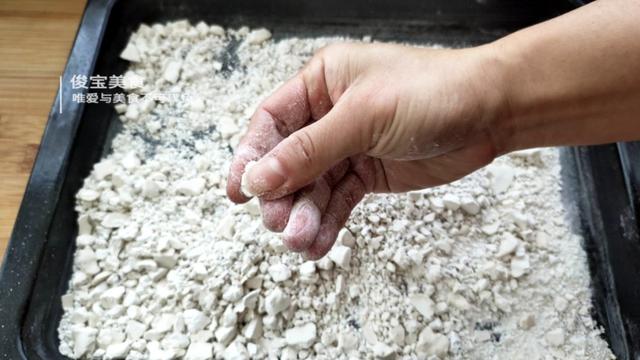
⑥ When it feels like small pebbles when you touch it, it means it's completely dried. If it still feels sandy, continue drying it. Un-dried sweet potato starch is not shelf-stable and is prone to mold.
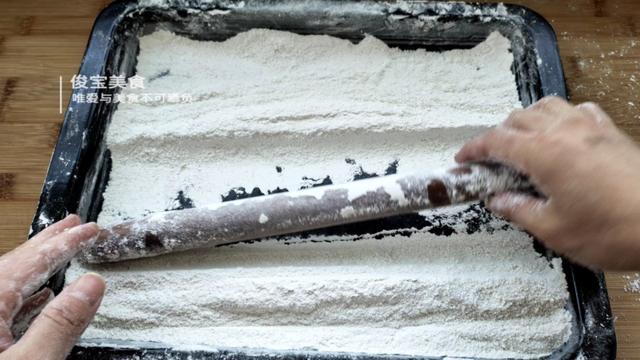
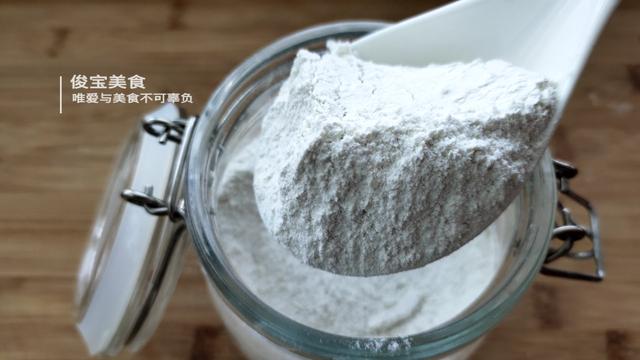
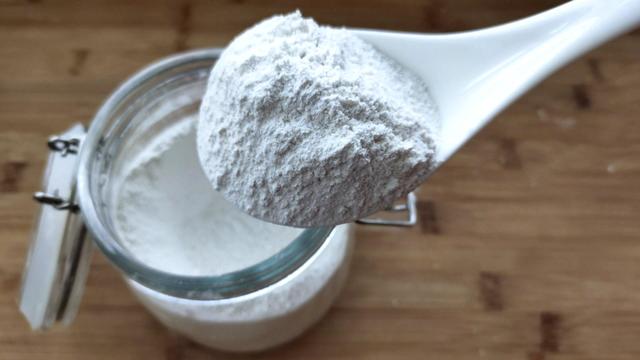
Finally, use a rolling pin to roll the sweet potato starch into a fine powder, and seal it.