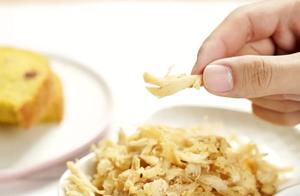
How to Eat Fragrant Sprouts Safely?
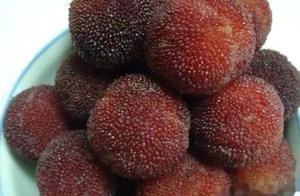
Spring, is the season for eating fragrant sprouts
for foodies
sprouts are absolutely a must-try
However
sprouts contain a large amount of nitrates
The content of nitrite is much higher than that of fresh vegetables
How to eat safely
Let's understand
1 Choose the most tender sprouts
Research shows that different regions, varieties and growth stages of sprouts, the content of nitrates and nitrites varies. The most important thing is that the nitrates in the initial sprouting stage of sprouts are low, and as the sprouts grow bigger, the content of nitrates also increases. After mid-May, most regions' sprouts'nitrate content exceeds the standards of the World Health Organization and the Food and Agriculture Organization. That is to say, the younger the sprouts, the less nitrate they contain, and therefore the less nitrite they produce during storage.

2 Choose the freshest sprouts
Tests show that after mid-May, the nitrate content of sprouts increases, but the nitrite content is still low. Nitrates are non-toxic ingredients and even beneficial for controlling blood pressure. Therefore, if you eat fresh sprouts, you will not have nitrite poisoning problems. However, sprouts often have a two-day time difference from when they are picked to when they are eaten. After being picked, in the process of storage at room temperature, a large amount of nitrate will gradually convert into nitrite, which poses a safety risk. That is to say, eating fresh sprouts immediately picked from the tree is safe. If picked after being picked, and promptly refrigerated, it will also reduce the conversion speed of nitrite. However, sprouts purchased from the market have been through transportation and room temperature storage, so the content of nitrite is significantly increased. The lower the freshness, the greater the risk of nitrite. If the leaves fall off when touched, it means the nitrite content is high.
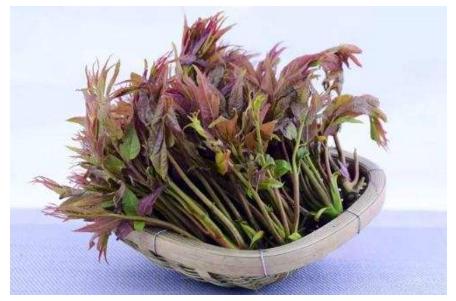
3 Blanch to remove nitrates and nitrites
If the sprouts are not fresh but still fragrant, it's a pity to throw them away. You can blanch them in boiling water for about 1 minute to remove 2/3 of the nitrite and nitrate, and also to better preserve the green color of the sprouts. If the sprouts are not picked fresh, regardless of whether they are used for cold mixing, stir-frying or deep-fried fish, it's better to blanch them first, which can greatly improve the safety of eating sprouts. In addition, sprouts should also be blanched before freezing. Research data shows that after blanching for 50 seconds, it is better to freeze, which greatly improves safety and also helps to better preserve vitamin C. When frozen for 2 months, the vitamin C content of blanched sprouts is 71% of fresh ones, while unblanched ones is only 35%. After blanching, put them in sealed plastic bags and put them in the refrigerator's freezer rack, and they can be stored for 1 month, maintaining their tender greenness and fragrance. However, if frozen for too long, the color will darken and the texture will gradually deteriorate.
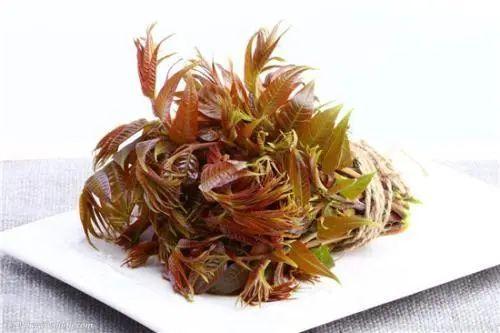
4 Ferment sprouts for a longer time
Many people like to ferment sprouts with salt for two or three days, which is an unsafe habit. Because the nitrite content of fermented sprouts rises rapidly, it reaches its peak (when the salt addition is 10%~20%) in three or four days, which is far beyond the standard. The safest approach is to ferment blanched sprouts for 2 weeks before eating, and wait for the nitrite content to decrease before eating. Adding vitamin C, ginger and garlic can reduce the nitrite content during fermentation.
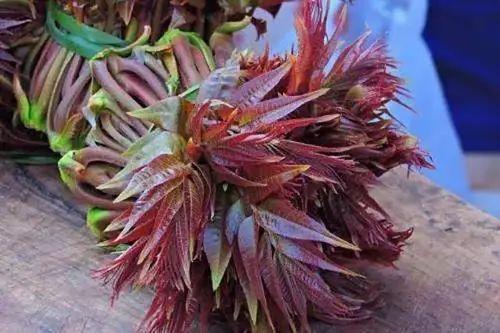
5 Eat with foods rich in vitamin C
sprouts themselves contain more vitamin C than ordinary fruits and vegetables. If you can eat fresh sprouts, vitamin C can help block the formation of carcinogenic nitrite. If the sprouts are not fresh, you can combine them with other fresh vegetables and fruits to minimize the risk of nitrite.

Text: Yuxi Network Images: Network

Editor: Bebbe
Review: Fang Hong
Editorial: Fang Hong
Supervising: Yang Jianbin